164 drug seizures recorded by Kuwait customs from January to August 2026
Drug-saturated paper poses new challenge as Kuwait customs records 7 such seizures so far this year
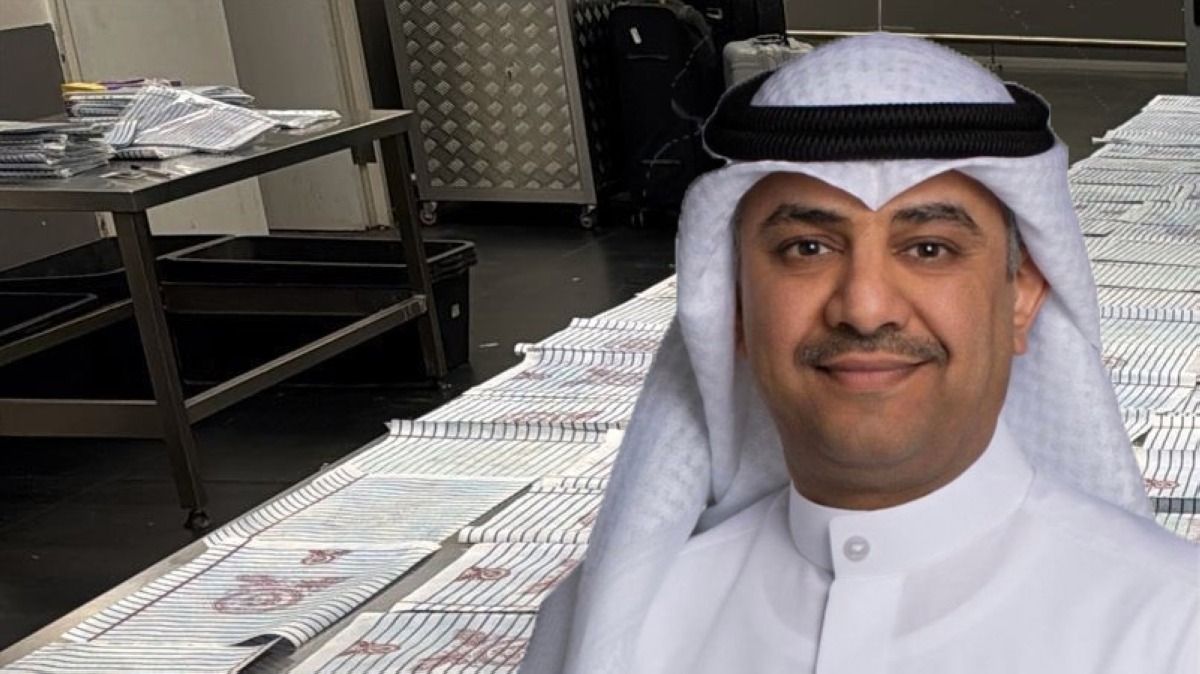
Kuwait customs authorities have recorded, so far this year, seven cases of paper materials saturated with chemical or psychoactive substances, highlighting a growing challenge in detecting narcotics concealed in materials that can appear ordinary.
Saleh Al-Omar, Deputy Head of Customs Ports Affairs at the General Administration of Customs, said drug-saturated paper can be difficult to identify because it may look like ordinary paper, printed material or book pages. The nature or concentration of the substance also cannot be determined from its appearance.
Al-Omar said customs authorities respond firmly to new smuggling methods and continue to strengthen vigilance at Kuwait’s ports through risk analysis, inspection procedures and the experience of customs officers, alongside coordination with security agencies.
He warned the public against handling papers suspected of containing narcotic or psychoactive substances, stressing that they should not be touched, smelled or tested. Such materials should instead be left to the competent authorities for examination.
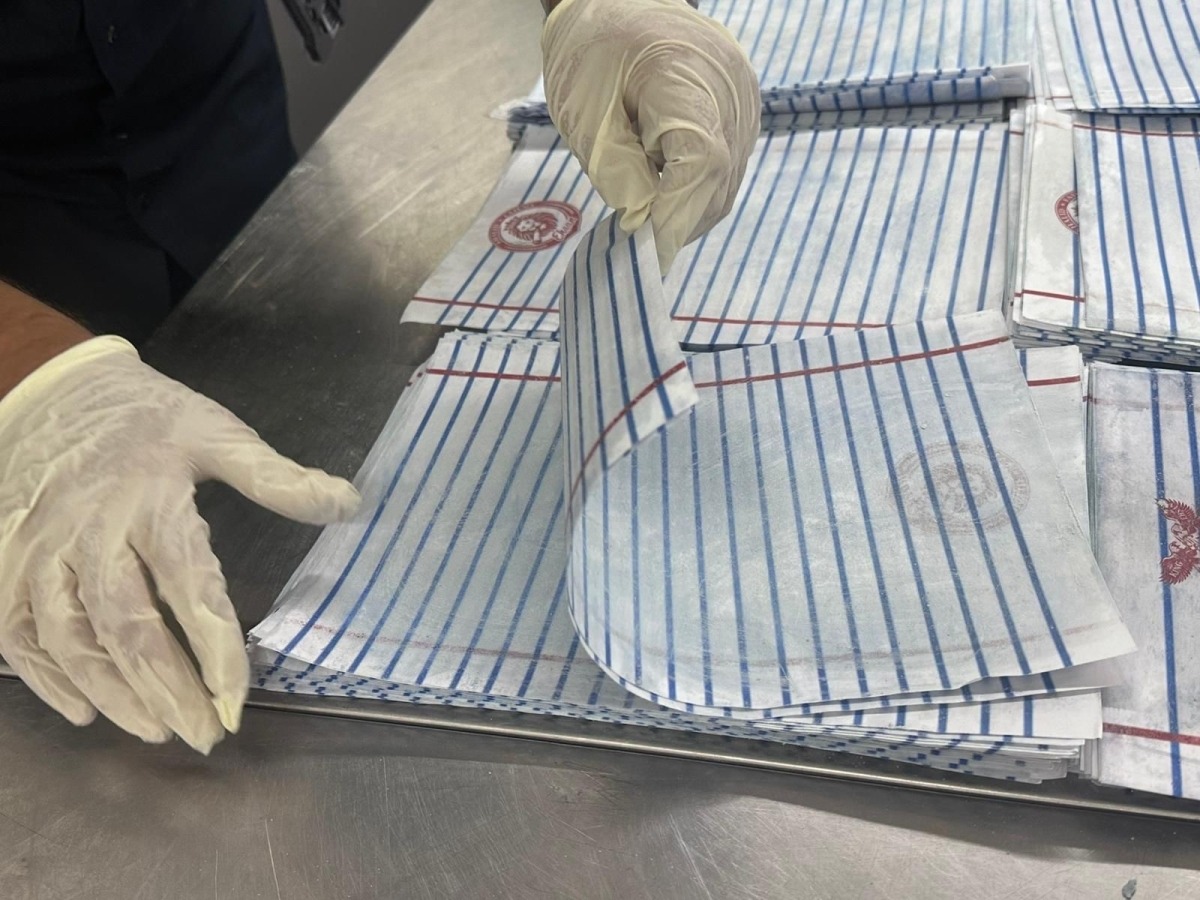
According to Al-Omar, smugglers have attempted to conceal narcotic or psychotropic substances inside paper materials or saturate the paper with them before sending them through parcels and shipments that appear ordinary. He said smuggling methods are constantly changing, requiring customs authorities to adapt their procedures and detection methods accordingly.
Detection begins with risk analysis
Al-Omar explained that suspected materials are identified through an integrated process that begins with risk analysis and customs officers’ assessment, followed by examination of shipments using available equipment and inspection methods.
Suspected materials are then referred to the competent authorities for examination and confirmation of their nature. He said customs does not disclose detailed targeting and inspection mechanisms to protect the confidentiality of its operations.
He added that successful seizures depend on combining technology with the experience and judgment of customs inspectors. Customs officers use X-ray systems and other inspection and detection methods, supported by risk-analysis systems and information exchange with the Ministry of Interior.

Al-Omar stressed that technology does not replace the customs inspector, whose experience and ability to identify unusual indicators remain important, particularly as smugglers continue to change their methods.
He also said combating drug smuggling requires cooperation among customs, security agencies, families and society, particularly as traffickers seek to exploit materials that may be difficult to detect through traditional methods.
164 drug and psychotropic-substance seizures
A General Administration of Customs statistic showed that 164 seizure reports involving drugs and psychotropic substances were recorded between January 1 and August 30, 2026.
Al-Omar urged parents to pay attention to unusual or unidentified papers, clippings or printed materials that reach their children, particularly if they are accompanied by unexplained behavioral changes or attempts to conceal their source.
He stressed that there is no single visible sign that can confirm whether paper contains narcotics, and urged anyone who suspects such material to report it rather than attempting to examine or experiment with it.
Al-Omar also advised travelers not to carry bags, parcels, papers or belongings belonging to others unless they are certain of their contents. He warned against accepting unidentified items or transporting parcels on behalf of others, as smugglers may exploit travelers to move prohibited substances.
Travelers should personally check the contents of their luggage, he said, to avoid being exploited by smuggling networks or facing legal liability.