Chinese, Kuwaiti tea traditions take center stage at Kuwait Cultural Event
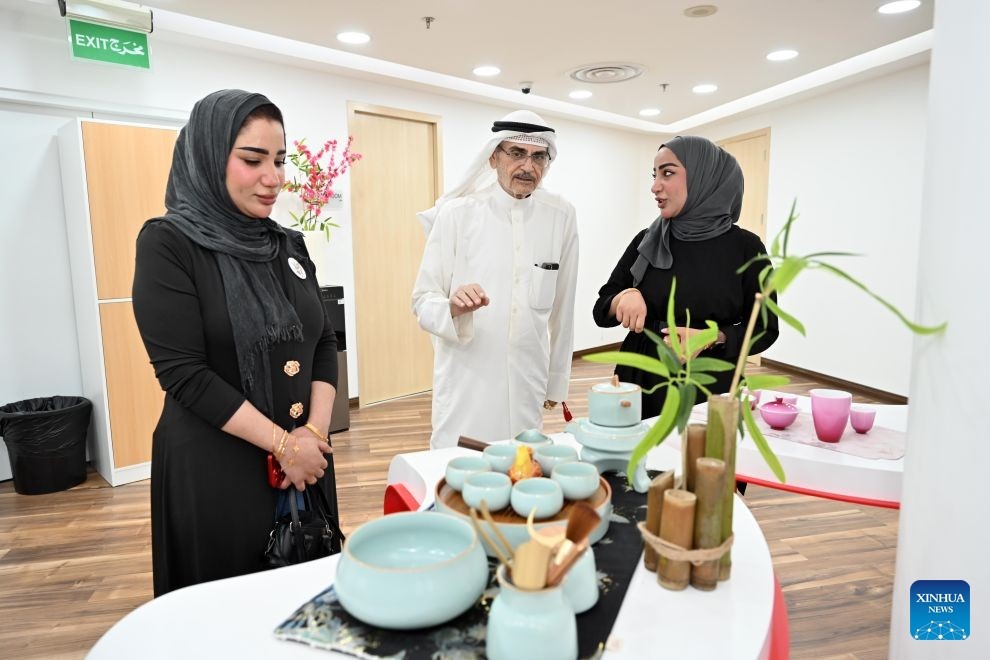
More than 150 people gathered Sunday evening at the China Cultural Center in Kuwait for a Chinese and Kuwaiti tea and treats tasting event, sampling teas and sweets while learning about the tea-making traditions of both countries.
The event was jointly organized by the China Cultural Center in Kuwait and Kuwait’s National Council for Culture, Arts and Letters (NCCAL) as part of Kuwait’s 18th Summer Cultural Festival. It aimed to introduce Chinese and Kuwaiti tea traditions and strengthen cultural and people-to-people exchanges between the two countries.
Guests sampled a selection of Chinese green, black, white and oolong teas, served with Chinese sweets. A separate tasting area featured Kuwaiti and Arab beverages, including karak tea, loomi tea and Moroccan mint tea, along with local and Arab sweets.
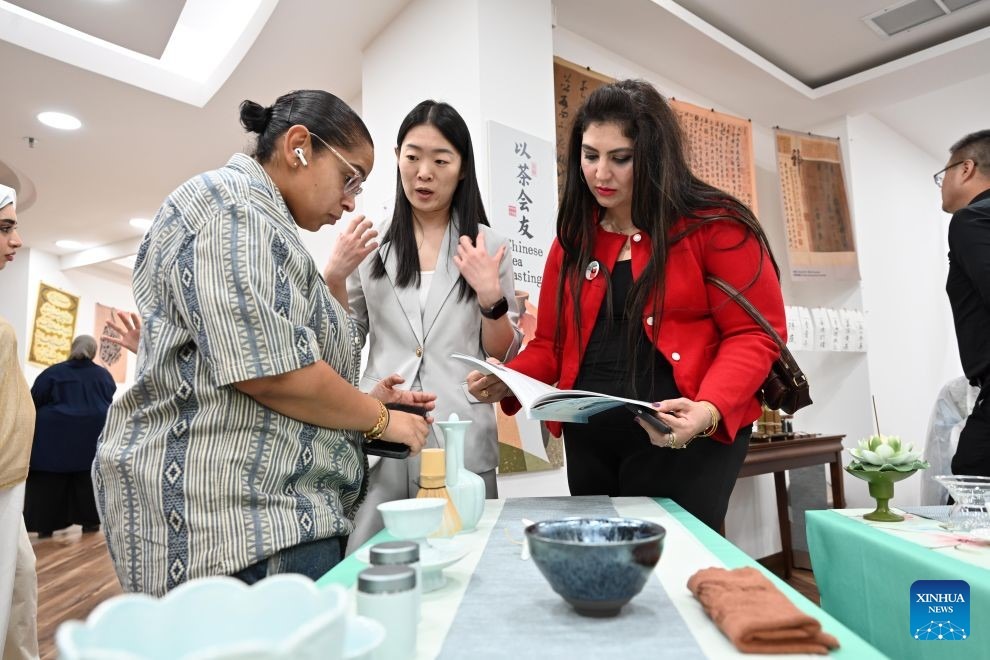
Chinese Ambassador to Kuwait Yang Xin said this year marks the 55th anniversary of diplomatic relations between China and Kuwait. He described cultural exchanges as “a bridge connecting the hearts of the two peoples.”
Speaking to Xinhua after the event, Yang said the gathering offered “a window into China’s time-honored culture” and a way to promote cultural exchanges and friendship between China, Kuwait and the Arab world.
NCCAL Secretary-General Mohammad Al-Jassar said presenting Kuwaiti and Arab tea traditions alongside Chinese tea highlighted connections between cultures and shared everyday customs.
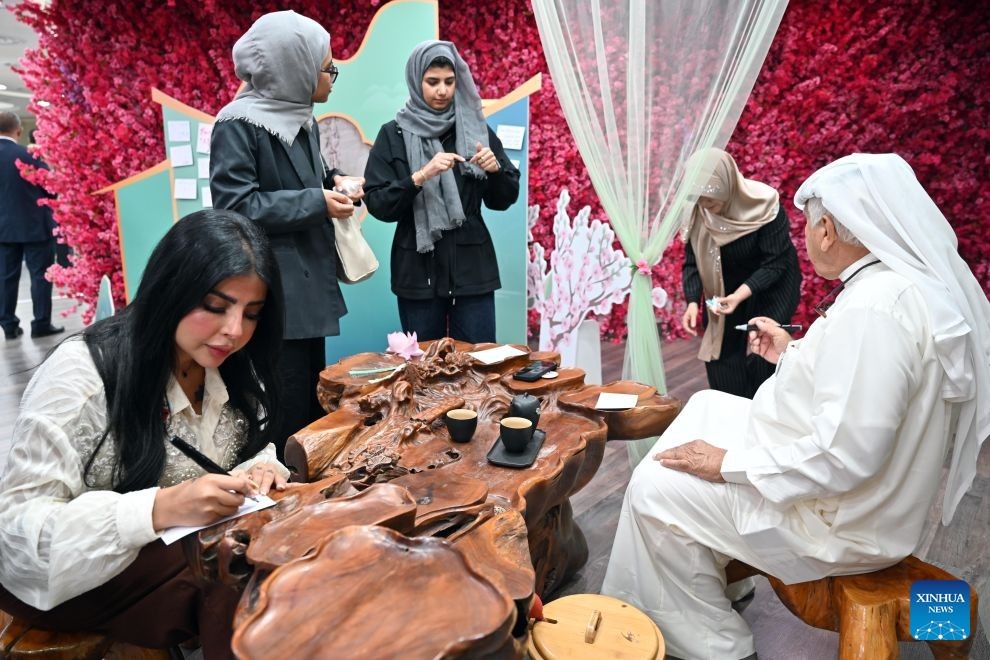
Al-Jassar said the Chinese tea ceremony provides a window into an authentic part of Chinese culture, showcasing rituals and values that have been passed down through generations.
Liu Jinhong, director of the China Cultural Center in Kuwait, said the center was pleased to use tea as “a bridge” to introduce the rich tea cultures of China and Kuwait. He noted that welcoming guests by serving tea is a tradition shared by both cultures.
Kuwaiti tea culture expert Sarah Maher AlMajed, a certified tea sommelier and tea master, gave a presentation on Arab tea culture. She began with an overview of the trade and cultural routes through which tea spread from China to the Arab world.
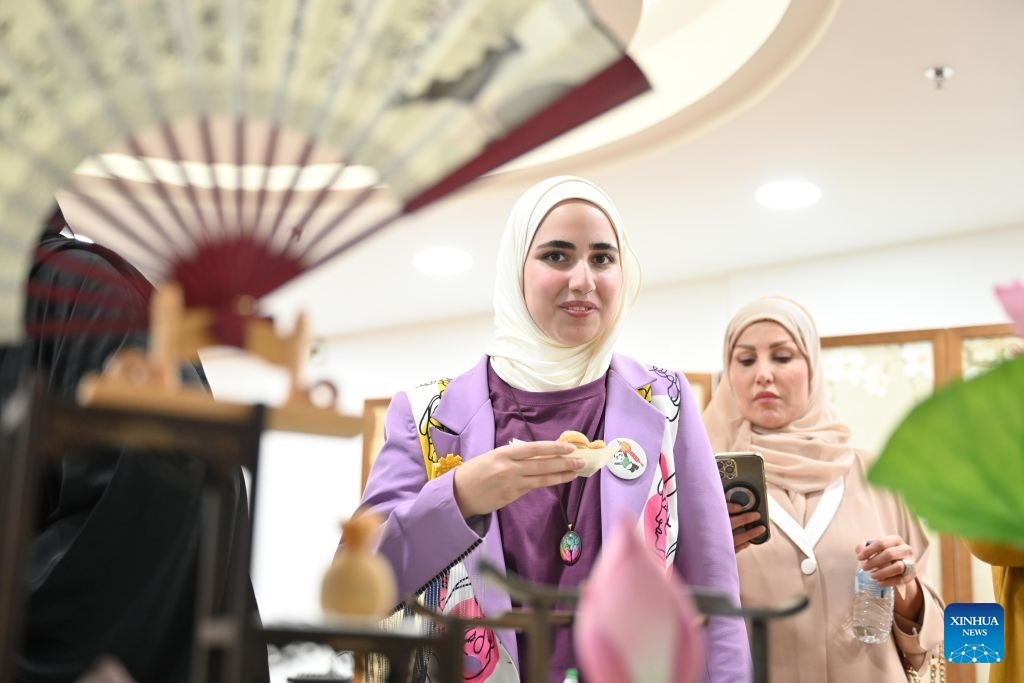
Kuwaiti enthusiast of Chinese tea culture Nasser Alsaqer shared his experience of studying tea-making in China. He explained the production process, from picking fresh tea leaves through processing and manufacturing. The event also included a tourism booth showcasing routes and resources related to tea culture in China.
The gathering was part of the Tea for Harmony program organized by the China Cultural Center in Kuwait throughout 2026.