

















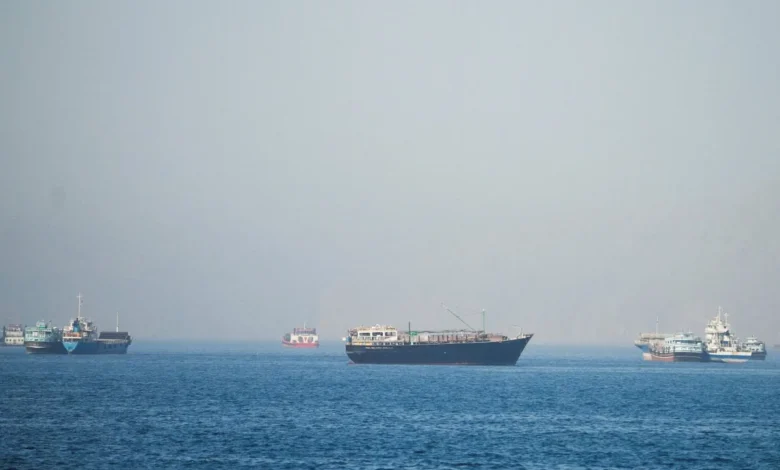
The number of vessels tracked in the Strait of Hormuz fell to an eight-vessel daily low on Tuesday, shipping data showed, as shipowners continued to avoid the strategically important waterway amid ongoing hostilities in the Middle East.
The decline came as the United States and Iran-aligned Houthi forces in Yemen reported separate attacks, while prospects for an end to the conflict between Iran and the United States appeared increasingly uncertain. Tehran has said the Strait of Hormuz will remain closed unless Washington agrees to its conditions.
According to Kpler data, Tuesday’s total of eight vessels was below the 10-day average of around 12 and marked the lowest daily traffic level since Aug. 5. Only one vessel, a coal carrier, had exited the strait, while the remaining ships were still transiting the waterway. All seven vessels entering the strait used the Iranian route.
Separate data from LSEG showed 11 vessel transits on Tuesday, down from 14 the previous day. Before Iran closed the waterway following the start of U.S.-Israeli attacks on Feb. 28, approximately 130 to 140 ships typically passed through the Strait of Hormuz each day.
Meanwhile, vessel traffic through the Bab al-Mandab Strait, at the southern entrance to the Red Sea, showed a different trend. Kpler data recorded 30 vessels crossing the strait on Tuesday, above the 10-day average of 25.
The sharp reduction in Hormuz traffic highlights the growing disruption to one of the world’s most important maritime trade routes, as shipping companies continue to assess the risks associated with the ongoing regional conflict.