Beyond diplomacy, pets reveal the human side of the British Embassy in Kuwait
The Times Kuwait Report
- ‘Pets of the British Embassy’, human story from the memory of Kuwait-Britain relations
- From cats to canines: untold stories from the British Embassy’s Kuwait residence
- Pets that built bridges, a unique book celebrates human stories behind Kuwait-Britain ties
- British Embassy Kuwait opens its private album of beloved pets and memories
The British Embassy in Kuwait has long been a place of diplomacy, official meetings and international cooperation, but behind its walls existed another quieter story, one filled with companionship, affection and memories created by cats and dogs that shared the lives of ambassadors and diplomats over decades.
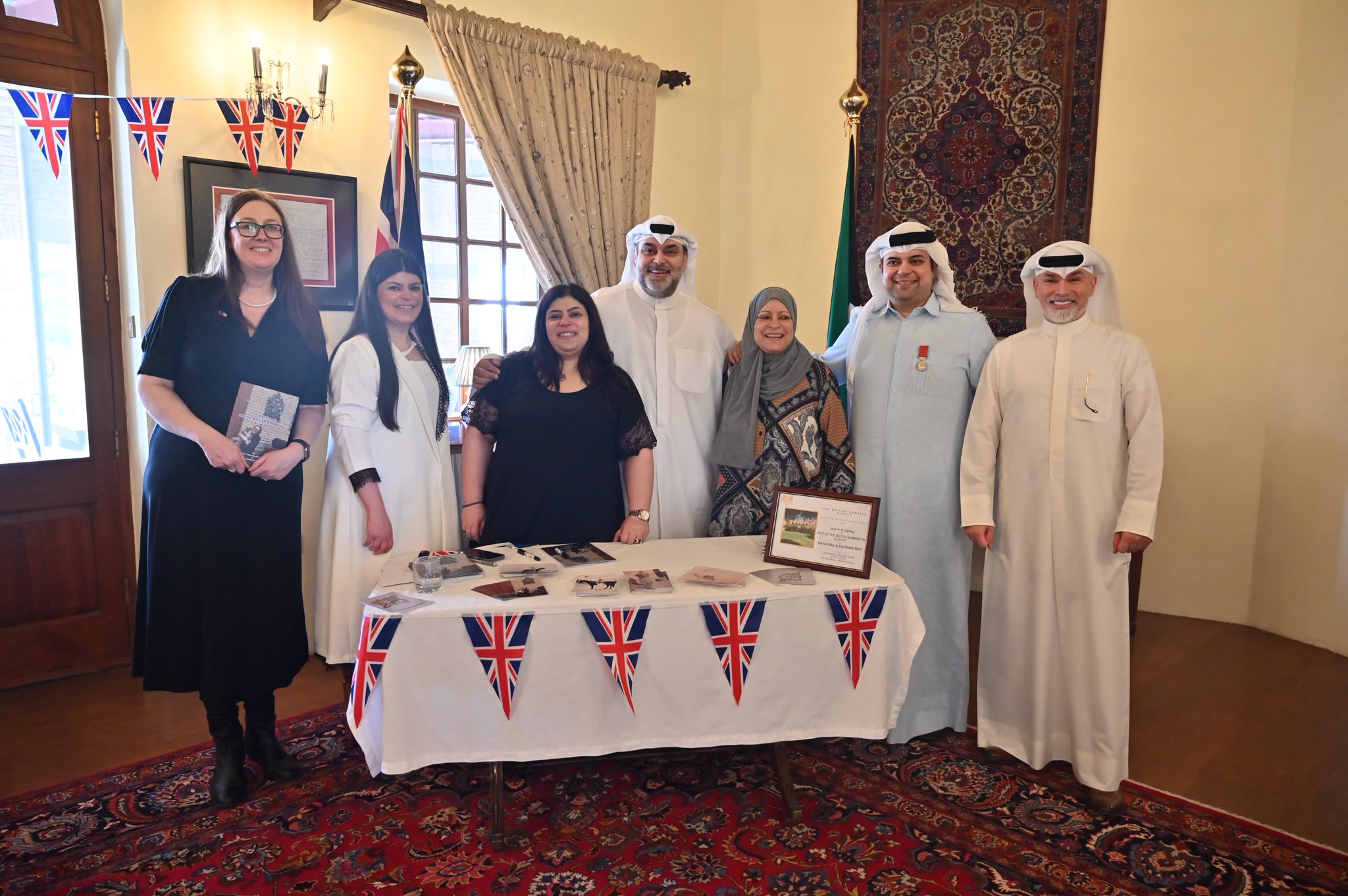
A newly released book titled “Pets of the British Embassy, Kuwait” sheds light on this lesser-known chapter of the embassy’s history, documenting through rare photographs, documents and personal stories how beloved pets became part of the institution’s identity and a symbol of human connection within the diplomatic community.
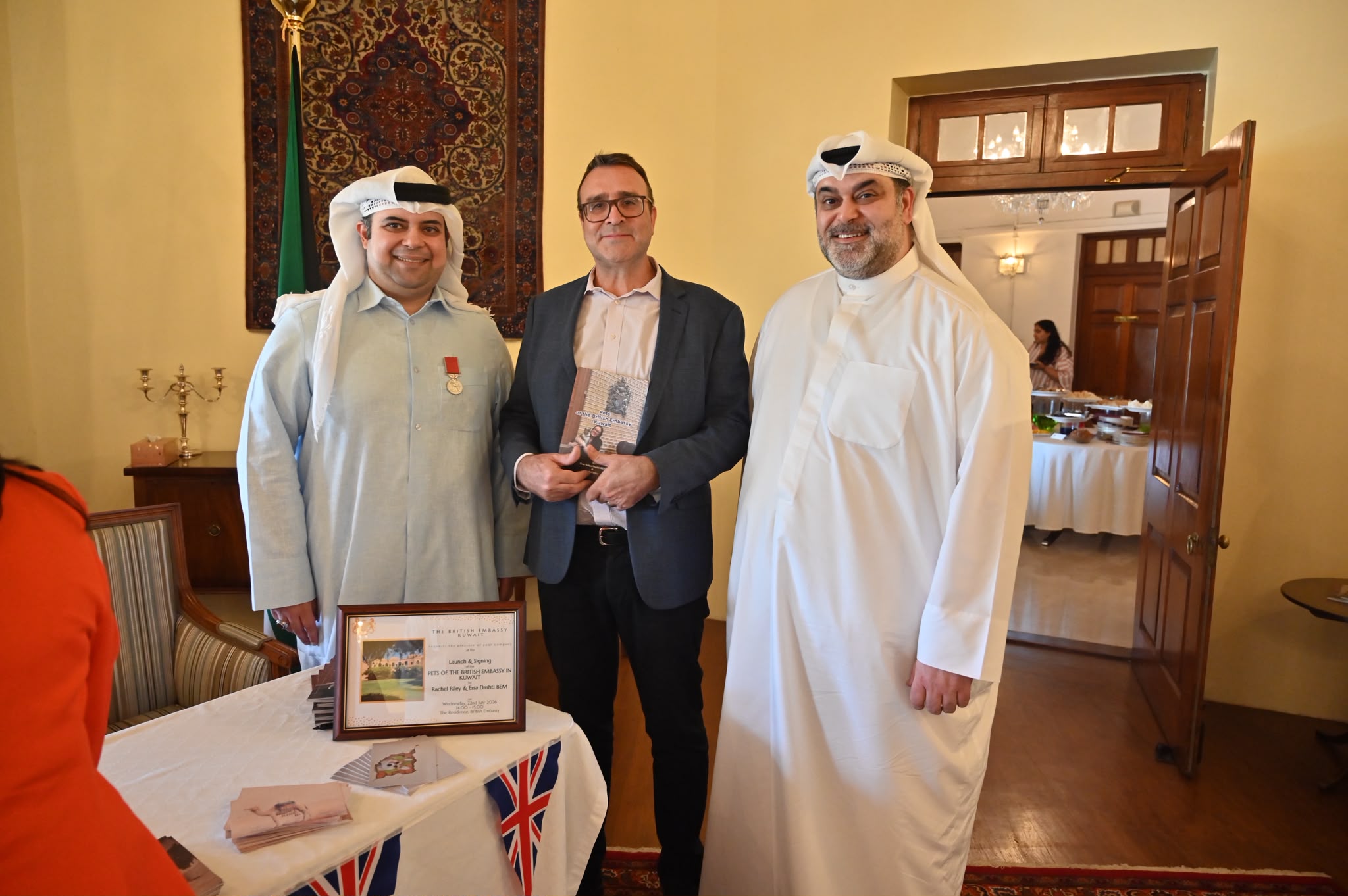
The book explores how these animals accompanied British ambassadors and embassy staff, creating moments of warmth and friendship far away from home, while becoming part of the shared memories that reflect the human dimension of Kuwait-Britain relations.
A Different Side of Embassy Life
Speaking at the book launch, British Deputy Ambassador to Kuwait Stuart Summers said the publication presents a different perspective on life inside the British Embassy, beyond the traditional image associated with diplomacy and official work.
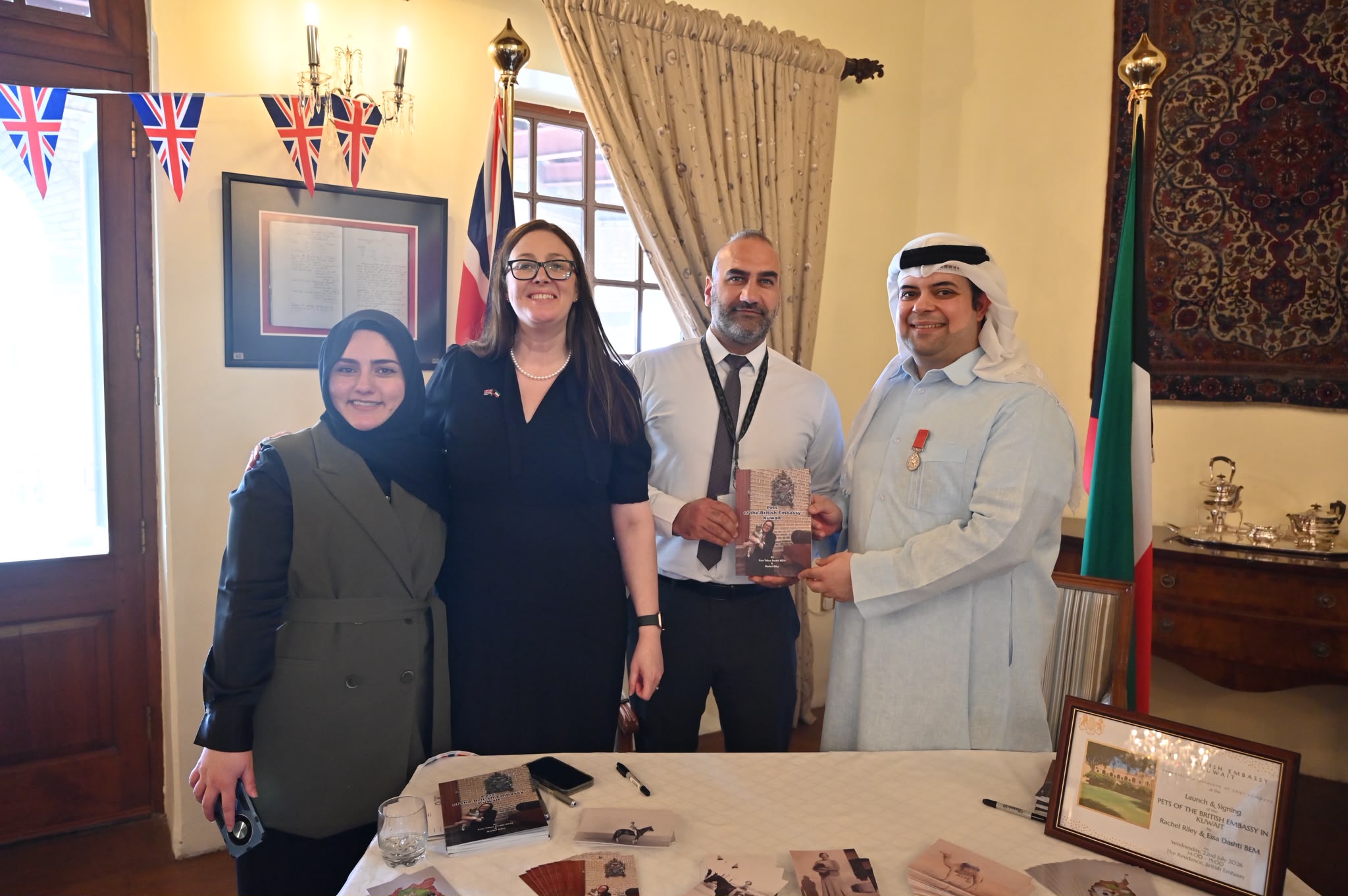
He described the book as a valuable record of the history of pets that lived at the British Embassy and ambassadorial residence, noting that the publication highlights the personal and emotional side of diplomatic life.
“British people are well known for their love of pets, so it was natural that animals accompanied British ambassadors in Kuwait over many decades and became part of the embassy’s daily life and history,” Summers said.
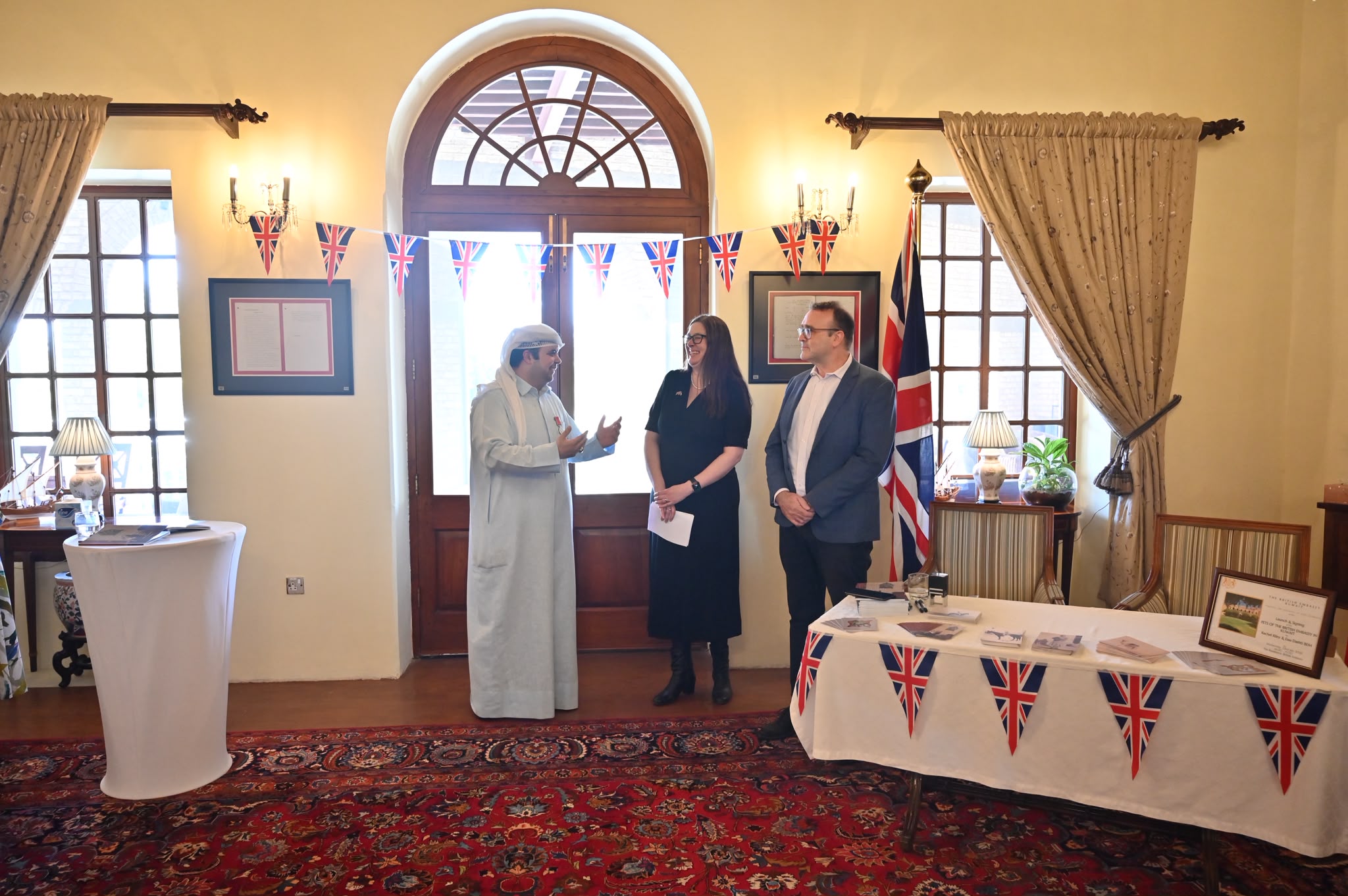
He added that the book includes photographs and stories documenting this unique relationship, joking that he had hoped to include a picture of his own small dog, “Fidget,” but the pet did not live at the ambassador’s residence.
Summers congratulated the authors, describing the launch as a special milestone marking the end of Rachel Riley’s more than 14-year career at the British Embassy in Kuwait, praising her contributions and dedication during her service.
Pets as Part of the Embassy Family
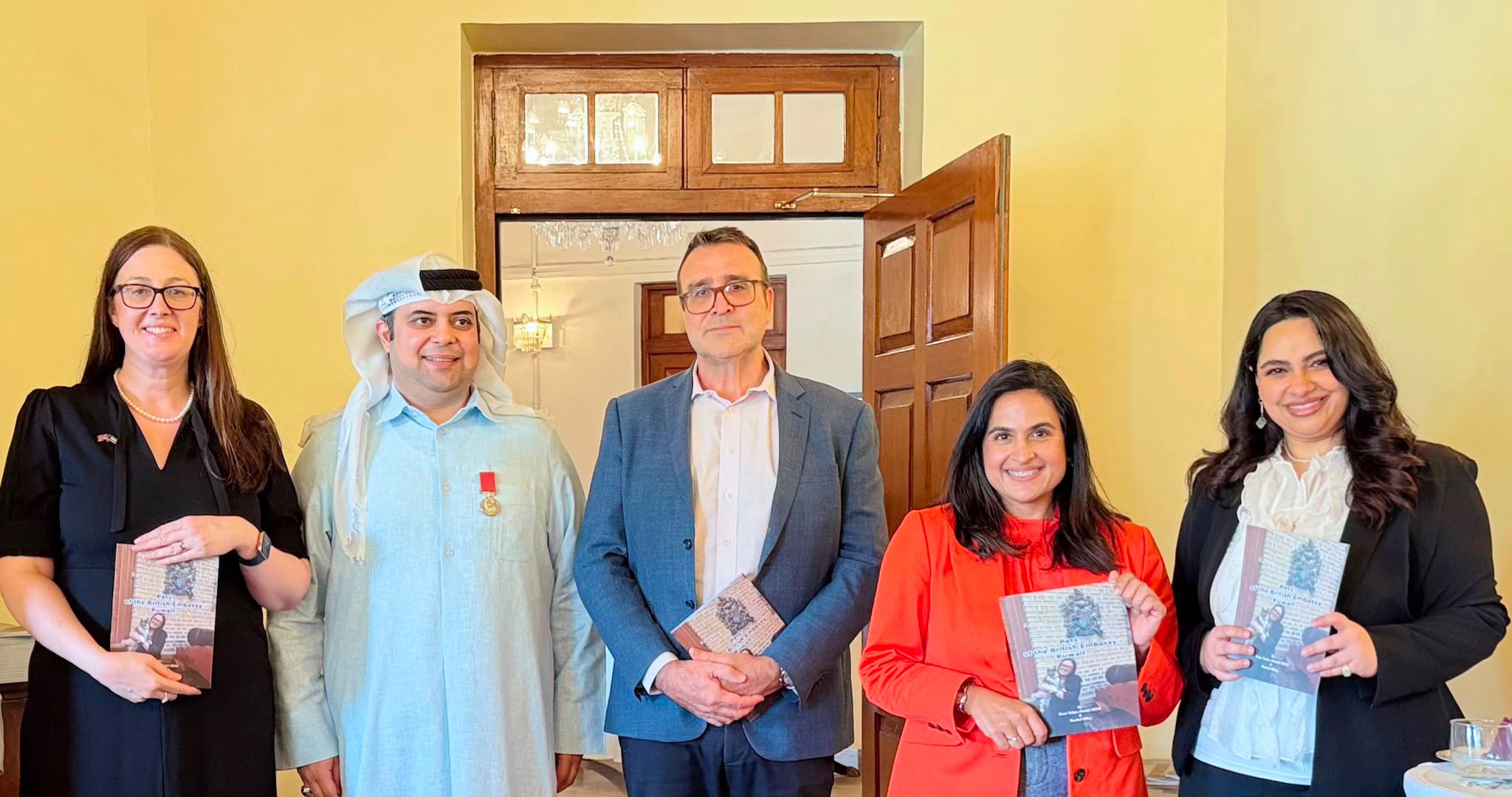
Rachel Riley, Executive Secretary to the British Ambassador in Kuwait and co-author of the book, said embassies are not only institutions dealing with diplomacy, politics and international relations, but are also communities where people spend years of their lives, creating memories, friendships and stories worth preserving.
She explained that during her time at the embassy, she cared for several cats that lived there, beginning with “Mrs Pickles” and continuing with the pets currently associated with the embassy.
“These animals became part of the embassy family,” Riley said, adding that they helped create bonds among employees from different nationalities and departments.
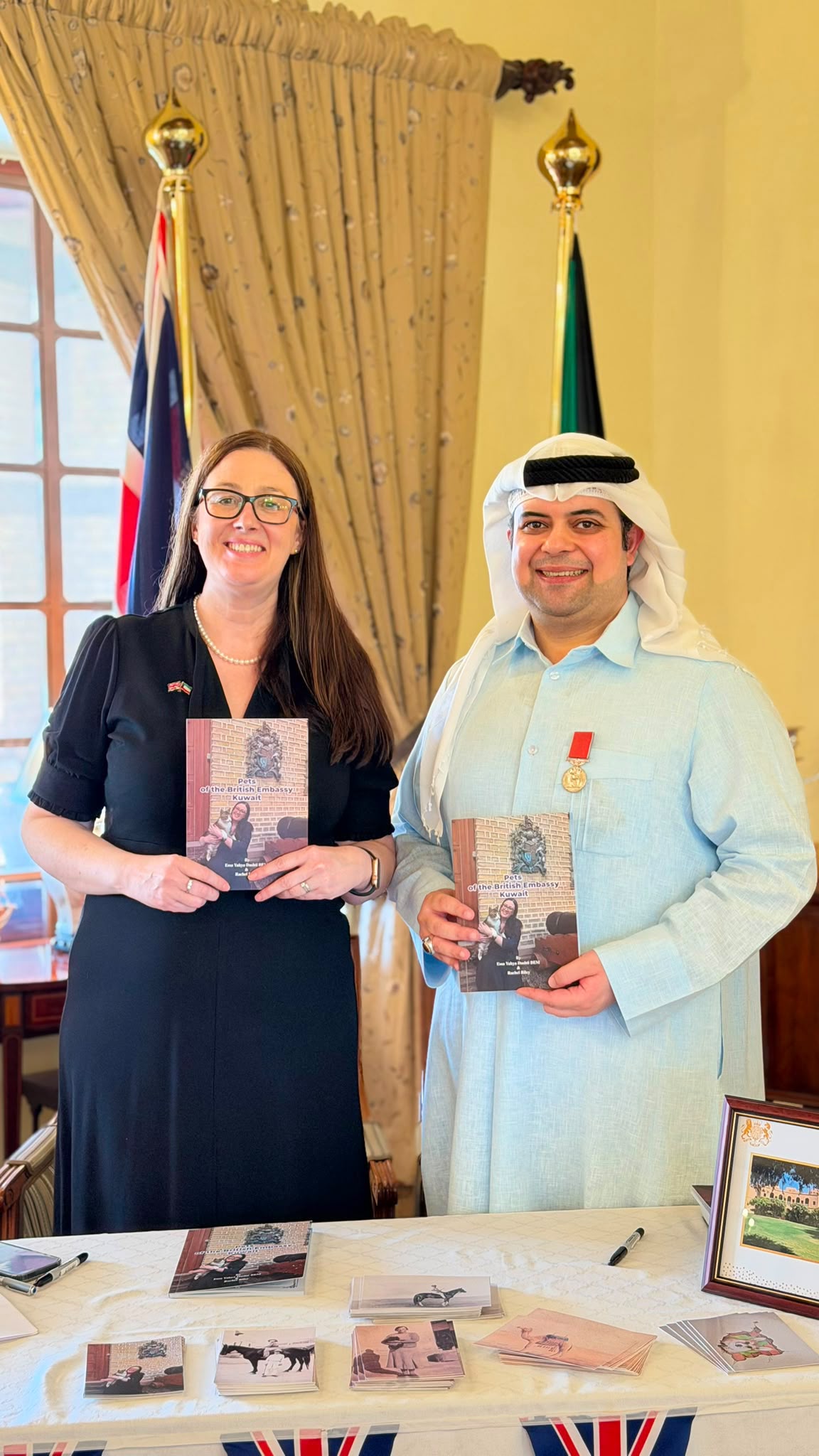
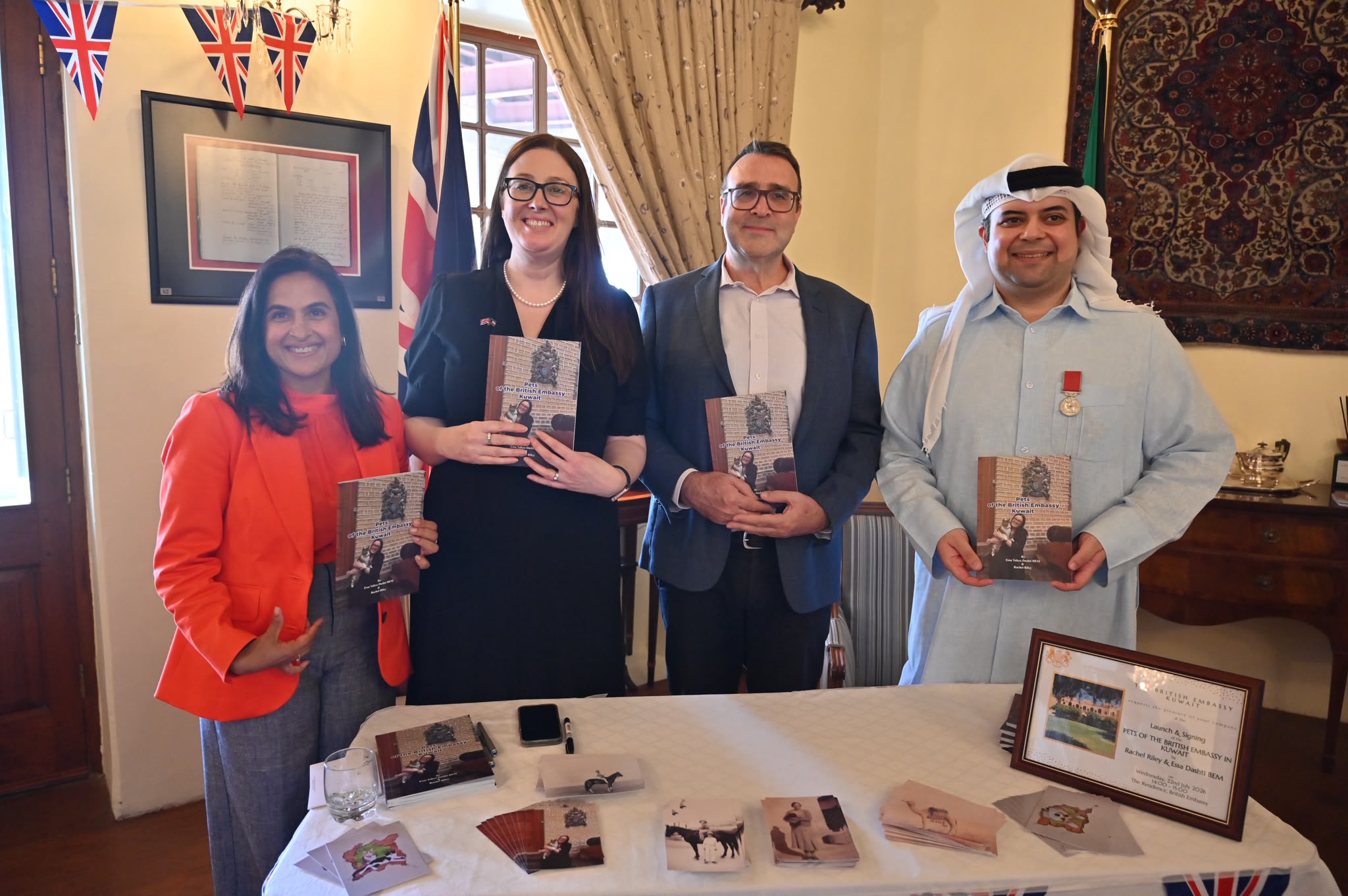
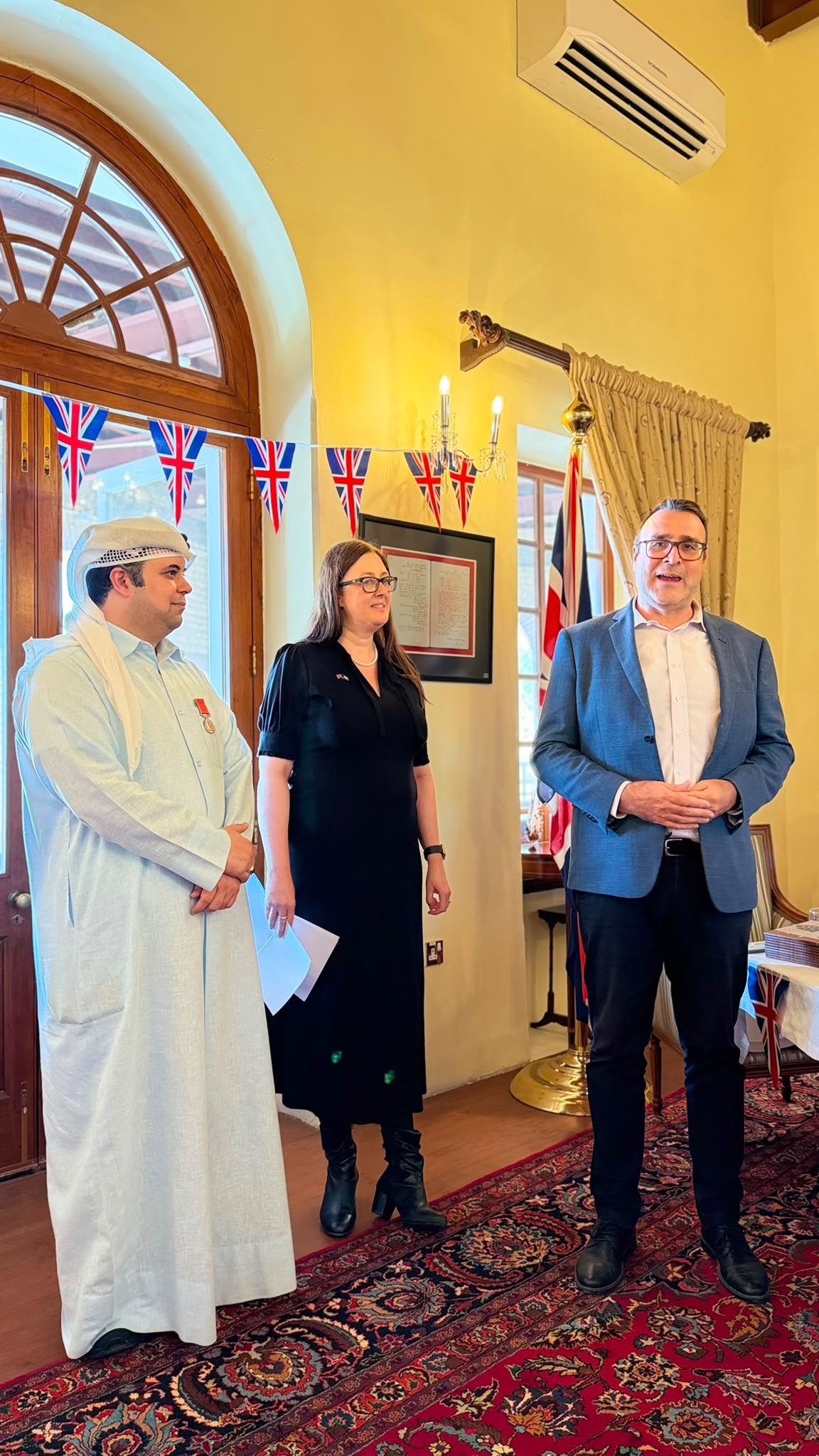
She said the idea behind the book came from a desire to preserve these stories and ensure they were not forgotten.
“The book is not only about cats and dogs. It is about the people, kindness and the spirit of community that develop within a workplace,” she said, emphasizing that it reflects the human side of the British Embassy.
Documenting an Untold Chapter of History
Co-author and researcher of Kuwait-British relations Issa Yahya Abdulrasoul Dashti expressed his happiness at the publication of the documentary book, describing it as the first work he has produced in collaboration with Riley.
He said the book documents, through photographs, historical records and information, the pets cared for by the British mission in Kuwait and later the British Embassy, as well as animals adopted by British representatives and ambassadors throughout the decades.
Dashti explained that pets were part of everyday embassy life and were connected to various historical moments and personal stories that became part of the shared memory of Kuwait-Britain relations.
He said the publication represents an initial step toward documenting this unique aspect of embassy history, with future editions expected to include additional information and documents as more sources become available.
Dashti also thanked Stephen Frith, grandson of Colonel Harold Dickson, and Abdulali Sameer Al-Hendal for providing photographs, documents and information that enriched the project.
He praised Riley’s cooperation and enthusiasm in preparing the book, inspired by her longstanding commitment to caring for pets at the British Embassy.
The author also expressed appreciation to the British Embassy in Kuwait for hosting the launch event, and thanked his family for their support in bringing the project to completion.
The book stands as a unique historical record, showing that diplomacy is not built only through official agreements and meetings, but also through everyday human experiences, memories and even the companionship of beloved pets.