- As Belgium celebrates another National Day, it does so with confidence in its future and pride in its remarkable journey. It is far more than an anniversary of independence. It is a celebration of nearly two centuries of constitutional stability, democratic governance and national resilience.
- The occasion honors a nation that has transformed historical challenges into lasting strengths through openness, innovation and respect for diversity.
Every year on July 21, the Kingdom of Belgium celebrates Belgium National Day, commemorating the birth of the modern Belgian state, reaffirming the nation’s enduring commitment to constitutional democracy, national unity and international cooperation.
The occasion marks 21 July 1831, when King Leopold I took the constitutional oath as Belgium’s first monarch following the country’s independence from the Netherlands in 1830. His accession established Belgium as a constitutional monarchy and laid the foundations of a democratic system rooted in the rule of law, accountable governance and the protection of individual rights.
Nearly two centuries later, the Belgium National Day stands as a powerful expression of national identity, celebrating a country that has successfully blended its rich historical heritage with modern innovation, economic resilience and international influence.
A Celebration of Unity in Diversity
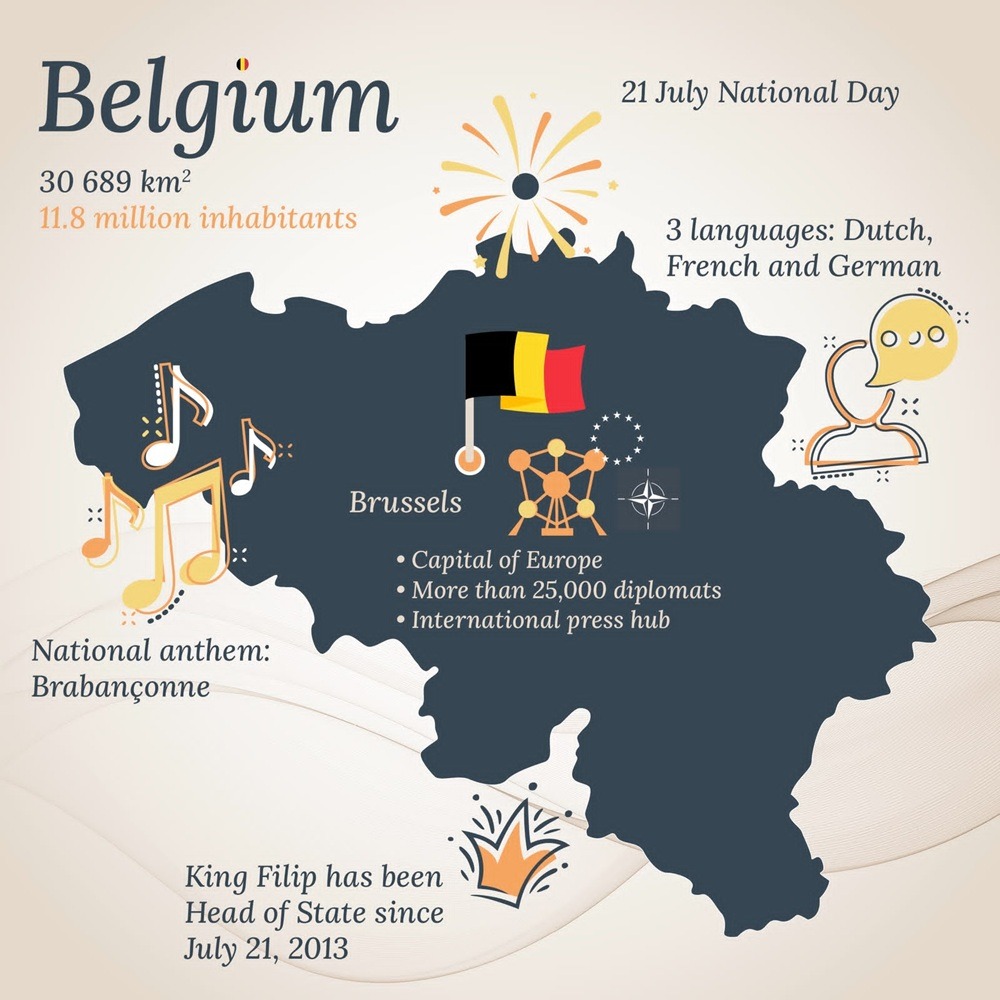
Across Belgium, the National Day is observed with official ceremonies, military displays, cultural programs and public festivities that bring together citizens from the country’s Dutch-speaking, French-speaking and German-speaking communities.
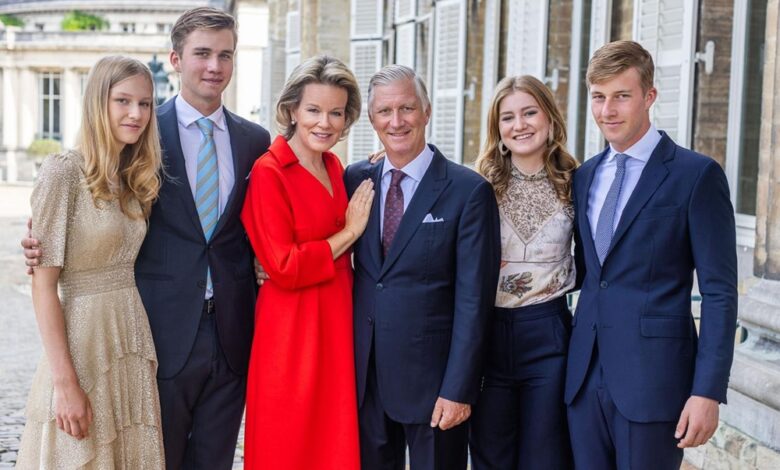
In the capital, Brussels, members of the Belgian Royal Family join government leaders, parliamentarians, diplomats and distinguished guests for official ceremonies that reflect the nation’s constitutional traditions.
Military parades, concerts, cultural performances and family-oriented events animate the city throughout the day, culminating in a spectacular fireworks display.
More than a national celebration, the occasion embodies Belgium’s ability to preserve unity while embracing its linguistic and cultural diversity, an achievement that remains central to the country’s democratic character.
The Political Capital of Europe
Although modest in size, Belgium occupies a position of exceptional international importance.
Located at the crossroads of Western Europe, the country has long served as a meeting point for cultures, commerce and diplomacy.
Brussels, home to the European Union and NATO headquarters, has earned its reputation as the political capital of Europe and one of the world’s foremost centers for international decision-making.
From European integration to global security and multilateral cooperation, Belgium continues to play a pivotal role in shaping international policy and promoting dialogue, peace and collective action.
An Economy Driven by Innovation and Trade
Belgium is among Europe’s most diversified and competitive economies, underpinned by advanced manufacturing, high-value industries and a globally connected services sector.
International trade, logistics, pharmaceuticals, chemicals, engineering, financial services and technology remain key pillars of economic growth.
The Port of Antwerp-Bruges, one of Europe’s largest and busiest maritime gateways, plays a strategic role in connecting European markets with the global economy.
Belgium is equally renowned for its world-class diamond industry centered in Antwerp, while its internationally celebrated chocolates, specialty beers, waffles and fine cuisine have become enduring symbols of Belgian craftsmanship and quality.
With sustained investment in biotechnology, healthcare, renewable energy, digital transformation and scientific research, Belgium continues to strengthen its position as one of Europe’s leading knowledge-based economies.
A Cultural Heritage that Inspires the World
Belgium’s cultural richness extends well beyond its borders.
From the medieval splendor of Bruges and Ghent to the cosmopolitan dynamism of Brussels and the artistic legacy of Antwerp, the country offers an extraordinary blend of history, architecture, fine arts and contemporary creativity.
Its multilingual society has nurtured a vibrant cultural landscape that celebrates diversity while reinforcing national cohesion.
Belgian painters, writers, musicians, fashion designers, filmmakers and comic artists have all made lasting contributions to global culture, enhancing the country’s international standing.
A Trusted Voice in International Affairs
Belgium has consistently championed diplomacy, international law, sustainable development and humanitarian cooperation.
Through its active engagement in multilateral institutions and unwavering support for rules-based international order, Belgium has earned recognition as a reliable and constructive partner in addressing global challenges.
Its commitment to dialogue, consensus-building and peaceful cooperation continues to shape its role on the international stage.
Looking Ahead with Confidence
Belgium National Day is far more than an anniversary of independence. It is a celebration of nearly two centuries of constitutional stability, democratic governance and national resilience.
The occasion honors a nation that has transformed historical challenges into lasting strengths through openness, innovation and respect for diversity.
It also reaffirms the principles that continue to guide Belgium’s future, unity in diversity, democratic values, economic dynamism and meaningful international partnership.
As Belgium celebrates another National Day, it does so with confidence in its future and pride in its remarkable journey.
Standing at the heart of Europe, Belgium continues to demonstrate that diversity, dialogue and democratic institutions remain the strongest foundations for lasting prosperity and peace.