Kuwait expands overseas oil storage strategy amid Gulf shipping threats
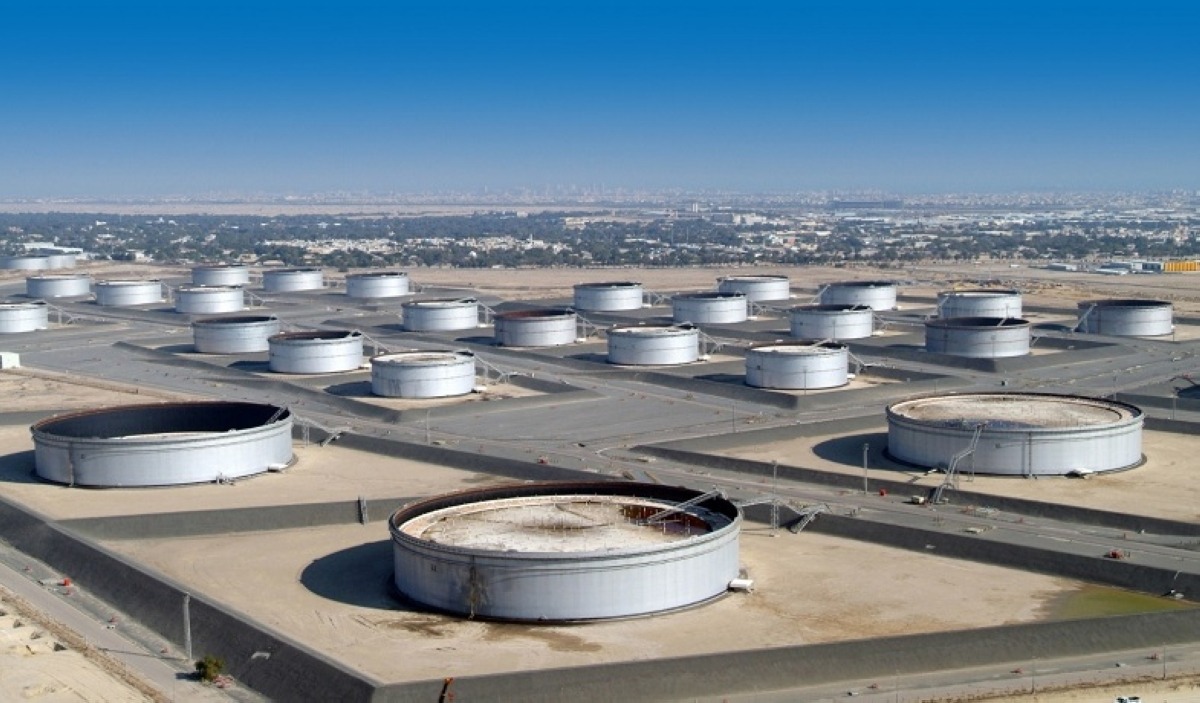
Amid rising regional tensions and uncertainty in the Gulf, Kuwait is increasingly relying on overseas oil storage as a strategic tool to protect exports, secure supply chains and maintain stability in global energy markets.
The move comes as threats to shipping through the Strait of Hormuz intensify. The vital waterway carries nearly 20 percent of global oil supplies, making any disruption a major risk for oil-exporting countries and international markets.
Chief Executive Officer of the Kuwait Petroleum Corporation Sheikh Nawaf Al-Saud said Kuwait quickly activated emergency plans following the recent tensions. Measures included storing crude oil in East Asian markets, repositioning tankers outside Gulf waters and maximizing tanker loading capacities to ensure continued supplies.
Kuwait currently stores between 7 and 8 million barrels of crude oil in Japan and South Korea, which are among its most important export markets. Around 3.5 million barrels are stored in Japan through an agreement with Ineos, while nearly 4 million barrels are held in South Korea’s Ulsan storage facilities.
The overseas storage strategy allows Kuwait to deliver oil to Asian customers more quickly while reducing dependence on shipping routes vulnerable to geopolitical instability. Analysts warn that any prolonged disruption in the Strait of Hormuz could lead to severe market volatility and sharp increases in oil prices.
Beyond supply security, offshore storage strengthens Kuwait’s competitiveness in Asian markets by reducing delivery times and improving reliability for customers. It also provides flexibility in inventory management, allowing Kuwait to store excess crude during periods of weak demand instead of cutting production.
Experts say overseas storage can help Kuwait benefit from future price increases by selling stored crude during stronger market conditions. Although storage, transportation and insurance costs remain high, they are increasingly viewed as necessary investments in energy security and protection against supply disruptions, a local Arabic daily reports.
Economic analysts believe overseas oil reserves are becoming part of a broader concept of “economic sovereignty,” giving producing countries greater control over supply flows and crisis management.
Kuwait is expected to expand its global storage network further as part of a long-term strategy to strengthen energy security, protect exports and maintain its reputation as a reliable oil supplier.