Kuwait plants 8,000 mangrove seedlings to protect coastal areas
. . . combats climate change; rehabilitates 3,800 sqm of land; targets 15 percent emissions reduction by 2035 under climate roadmap
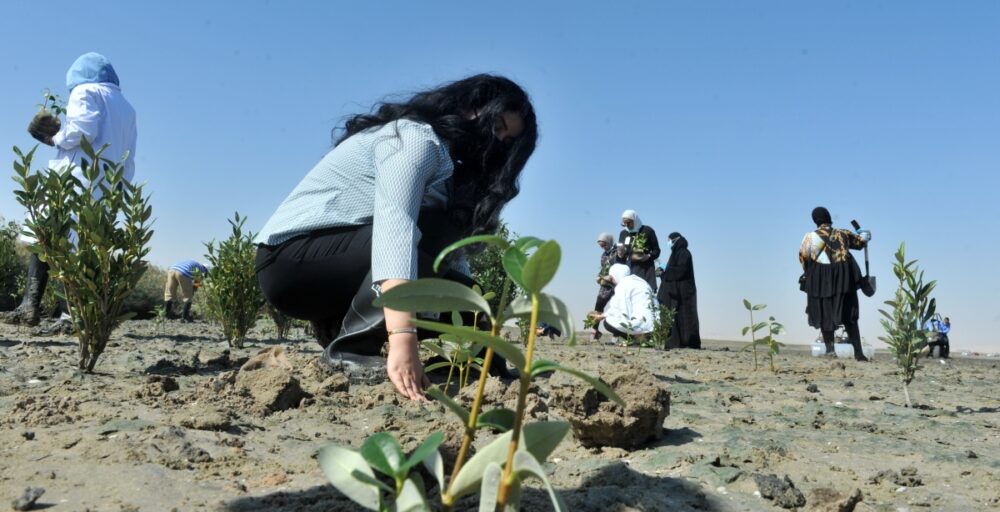
Kuwait has reaffirmed its commitment to protecting coastal ecosystems and strengthening their role in climate change adaptation and biodiversity conservation, highlighting its national mangrove restoration programme at an international climate meeting in Antalya, Türkiye.
Representing Kuwait at the fourth ministerial meeting of the Mediterranean Climate Alliance (MAC), held on the sidelines of COP31, Acting Director General of the Environment Public Authority Nouf Behbehani outlined the achievements of the National Mangrove Regeneration Project, launched in 2018.
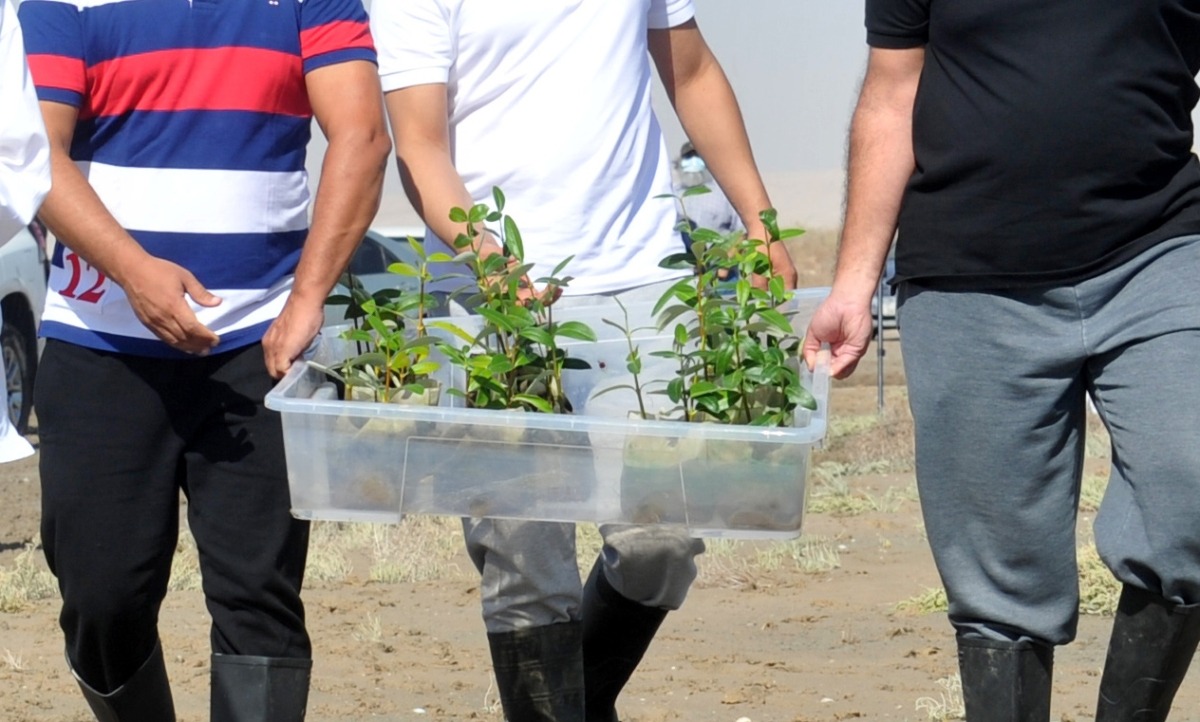
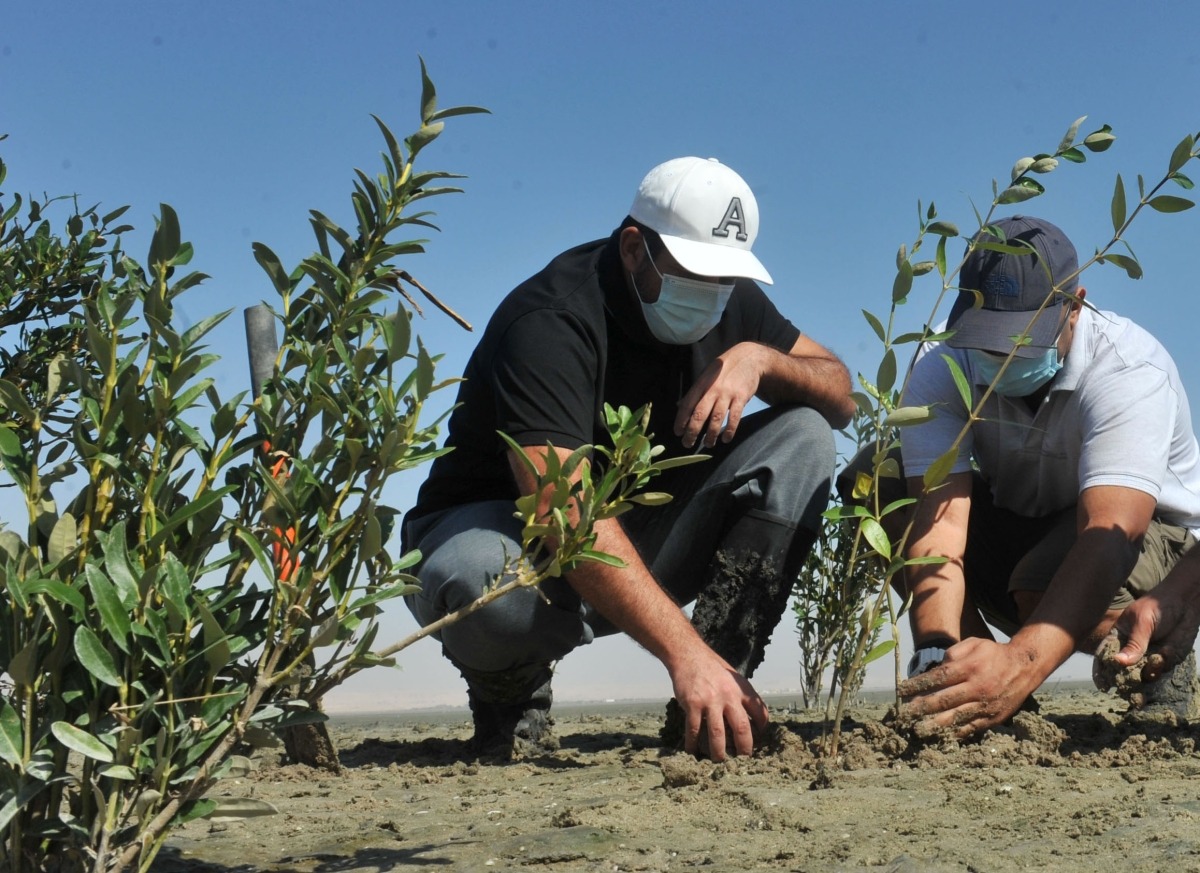
Implemented in nine phases, the project has resulted in the cultivation of more than 8,000 mangrove seedlings and thousands of seeds, while approximately 3,800 square meters of land in Jahra Nature Reserve has been rehabilitated.
Cultivation trials have also been conducted at other coastal locations, with the trees successfully producing seeds locally since 2022. Behbehani highlighted regional cooperation in advancing the project, including the cultivation of around 4,000 seeds in collaboration with the United Arab Emirates during 2025 and 2026.
She also acknowledged the contributions of Oman, Bahrain and Saudi Arabia in supporting the initiative. Kuwait plans to further expand its mangrove cultivation capabilities through the marine nursery at Jahra Nature Reserve, greater use of locally produced seeds and studies to identify additional suitable coastal sites.
The country also expressed its readiness to share expertise and strengthen cooperation with other alliance members to protect coastal habitats and address climate change impacts.
Speaking to KUNA, Behbehani also outlined Kuwait’s National Low Carbon Development Roadmap to 2060, approved by the Cabinet in 2025. The roadmap aims to develop a low-emission economy and work towards carbon neutrality in key sectors by 2060 through expanding renewable and solar energy, gradually replacing heavy fossil fuels with natural gas in power generation, improving energy efficiency and waste management, and strengthening natural carbon sinks such as mangrove forests.
Kuwait is also targeting an unconditional reduction of up to 15 percent of its total emissions by 2035, supported by measurable and verifiable national projects. The country continues to pursue the circular carbon economy approach, focusing on reducing, reusing, recycling, removing and utilizing carbon through modern technologies.
Behbehani further said the Environment Public Authority had introduced a unified environmental sustainability reporting system for government agencies, based on measurable national indicators to strengthen transparency, accountability and the integration of sustainability into government planning and decision-making.
She stressed that climate action must balance environmental ambitions with energy security, economic stability and development priorities. She also called for international support through climate financing, technology transfer and capacity building to help developing countries implement climate mitigation and adaptation programmes while ensuring equitable and sustainable development.