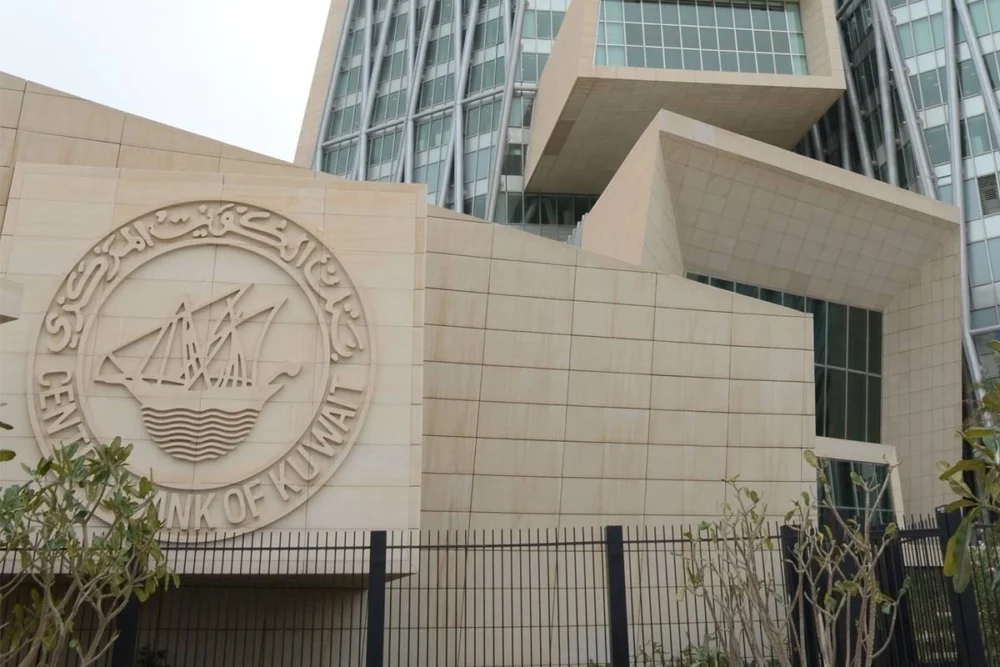
- Kuwait expands monitoring of cash deposits below 3,000 dinars
- The new instructions require banks to look beyond the 3,000-dinar reporting threshold and examine repeated smaller deposits and transfers, particularly when their frequency and combined value indicate possible attempts to avoid regulatory scrutiny.
The Central Bank of Kuwait is expanding its monitoring of cash deposits and financial transfers to include transactions below 3,000 dinars when they are repeated frequently or conducted in patterns that could raise suspicion, in a move aimed at strengthening efforts to combat money laundering and terrorist financing.
The new measures mean that the 3,000-dinar threshold will no longer be the only consideration in identifying transactions requiring regulatory attention. Banks have been instructed to improve their monitoring systems to detect repeated deposits and transfers of smaller amounts, particularly when transactions are split into several instalments over a short period to avoid triggering the existing reporting threshold.
Previously, banks were required to record reportable transactions in the Transaction Reporting System (TRS) database when cash deposits into customer accounts (LCT) or incoming financial transfers to Kuwait for customers (FCT) reached or exceeded 3,000 dinars, or the equivalent in foreign currencies, for one customer within a single day.
Under the expanded monitoring approach, banks must also pay attention to deposits and transfers individually below this limit when their frequency, cumulative value or transaction patterns appear unusual. For example, repeatedly depositing amounts just below 3,000 dinars, including deliberately keeping a transaction below the threshold by even one dinar, could prompt additional scrutiny.
The Central Bank has stressed that banks must review the effectiveness of their initial transaction-monitoring systems and ensure they can identify repeated cash deposits that individually fall below reporting limits. The assessment must consider the combined value of deposits, how frequently they are made and the period over which the transactions occur.
Particular attention is being given to the practice of splitting transactions into smaller amounts, known as structuring, which has been identified as a potential indicator of suspicious activity by the Kuwait Financial Intelligence Unit.
The move forms part of the Central Bank’s broader supervisory responsibilities under Law No. 106 of 2013 on combating money laundering and the financing of terrorism. It reinforces the principle that transaction monitoring must go beyond the amount involved and take account of customer behaviour, transaction frequency and the overall value of financial activity during relevant periods.
Banks have also been instructed to take appropriate measures to investigate transactions that warrant further examination. Discussions are under way among banking officials, anti-money laundering and counter-terrorism financing department heads, compliance officers and internal control specialists to establish arrangements for supplying the Central Bank with additional transaction data and developing more effective tools for monitoring and analysing unusual financial behaviour.
Banking sources expect the database to expand considerably as the monitoring framework covers a wider range of transactions and customers than the existing system, which primarily captured cash deposits and incoming transfers of 3,000 dinars or more.
The expanded monitoring is not an automatic restriction on deposits below 3,000 dinars. Rather, it allows banks to identify and examine transactions when their frequency, combined value or circumstances suggest possible attempts to circumvent reporting requirements. Legitimate transactions will therefore continue to be assessed in their proper context.
Sources also pointed to the potential role of artificial intelligence in strengthening the ability of the banks to collect, analyse and audit transaction data daily. However, monitoring systems will need to distinguish genuinely unusual financial activity from legitimate increases in deposits and transfers resulting from higher salaries, inflation and increased consumer purchasing power.
The Central Bank’s latest move ultimately places greater emphasis on the pattern and purpose of financial transactions rather than relying solely on a fixed monetary threshold, strengthening the banking sector’s ability to identify suspicious activity and comply with Kuwait’s anti-money laundering and counter-terrorist financing requirements.