Kuwait steps up awareness campaign on poisonous Datura plant
Authorities coordinate efforts to identify, remove invasive plant from public areas following reports of severe poisoning cases.
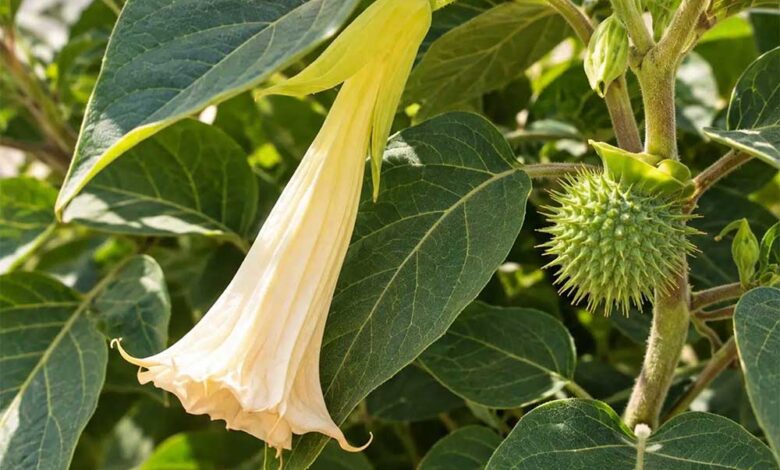
Kuwait is stepping up public awareness and coordination efforts to address the spread of Datura, an invasive poisonous plant reported in several locations across the country, amid warnings over its potentially fatal health risks.
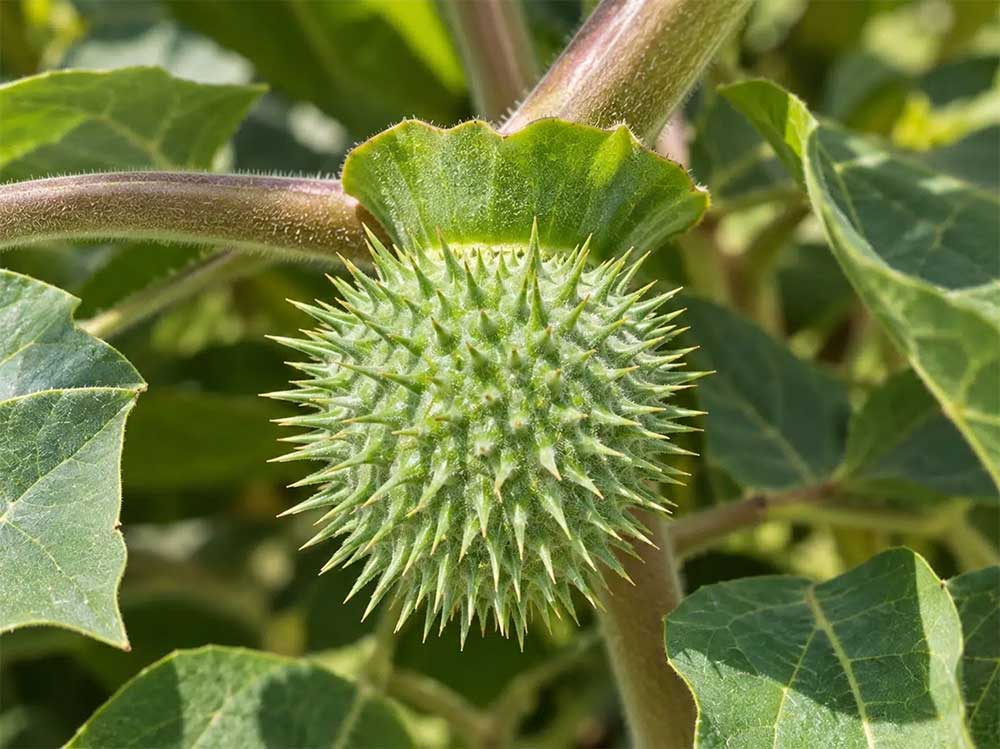
The plant, which belongs to the nightshade family, typically grows during spring and summer, with flowering sometimes extending into early autumn depending on weather conditions. It is characterized by large, trumpet-shaped white or purple flowers, pungent-smelling leaves and spiny green fruits containing numerous seeds.
All parts of Datura contain toxic alkaloids, including atropine, hyoscyamine and scopolamine. Consumption can cause severe poisoning, with symptoms ranging from dry mouth, dilated pupils and rapid heartbeat to confusion, delirium and hallucinations. In serious cases, exposure can lead to seizures, coma and even death.

Speaking to Kuwait News Agency (KUNA), Head of the Kuwait Poison Control Center at Amiri Hospital Dr. Abdulatif Al-Oumi said several plants found in Kuwait contain naturally occurring toxins, including ornamental varieties and species growing in open areas.
He explained that the level of risk depends on the plant species, the part involved and the nature of exposure. While some plants may cause mild symptoms, others can result in serious poisoning requiring medical intervention.
Al-Oumi noted that Datura can grow and reproduce naturally, and its presence does not necessarily indicate deliberate cultivation. The main danger, he stressed, comes from unsafe handling or consumption. He revealed that the Poison Control Center had recently treated severe poisoning cases involving toxic plants, including Datura, with some patients requiring hospitalization. He emphasized the need to raise public awareness, particularly among families with children.
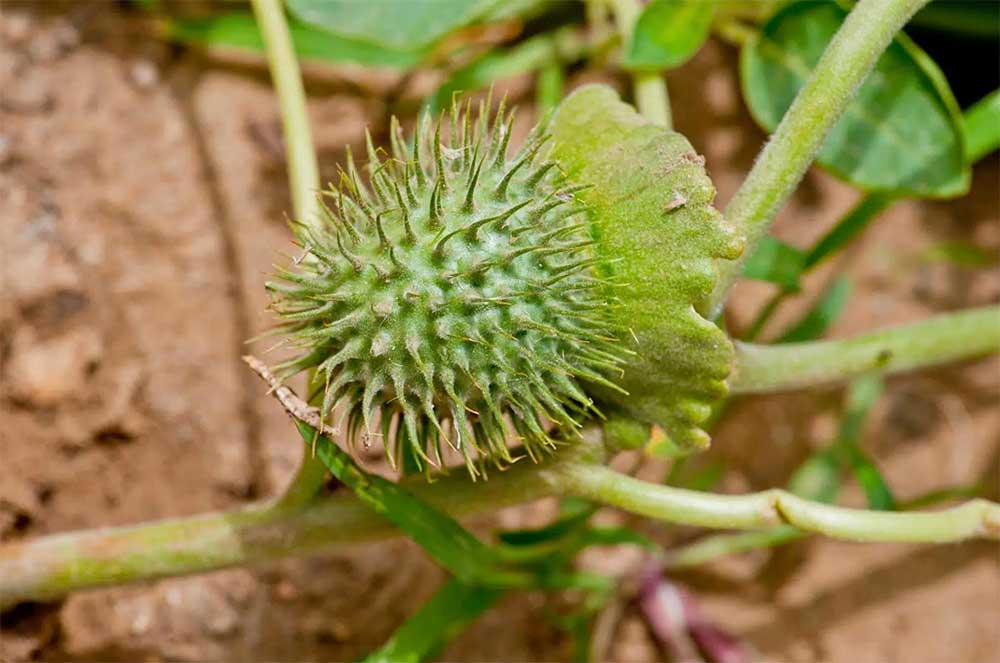
Reports of Datura growing in residential neighborhoods and public areas have prompted coordination with relevant authorities to identify affected locations, raise awareness and arrange for the plant’s removal. A coordination meeting was also held with the Environment Public Authority (EPA) to discuss poisonous plants and establish procedures for reporting, identification, risk assessment and appropriate intervention.
Al-Oumi said the cooperation aims to strengthen coordination between health and environmental authorities and reduce public exposure to toxic substances. He advised anyone suspected of consuming a poisonous plant to seek immediate medical attention and avoid inducing vomiting or relying on home remedies. Taking a clear photograph of the plant could also help medical specialists identify it.
The Kuwait Poison Control Center provides round-the-clock guidance on poisoning and exposure cases through its hotline 1804774. He urged the public not to use unidentified wild plants in beverages, traditional recipes or home remedies, and to ensure children do not approach or consume them.

For her part, Head of the EPA’s Wildlife Monitoring Section Sharifa Al-Salem told KUNA that Datura is an invasive seasonal plant that can cause poisoning, hallucinations, nervous system disorders and irregular heart rhythms, potentially leading to death.
She said a recent meeting with the Poison Control Center discussed reports of poisonous plants, particularly Datura, found near public areas. The discussions also covered potentially dangerous terrestrial and marine wildlife, including scorpions, snakes, jellyfish and venomous fish such as stonefish.
Al-Salem said the meeting aimed to improve coordination, exchange information and establish communication channels to ensure timely responses while protecting public health and the environment.
She urged residents not to touch, collect or consume poisonous plants or handle potentially dangerous wildlife, advising them instead to report their locations to the competent authorities.

Meanwhile, Acting Director of the Environment Rehabilitation Department at the Public Authority for Agriculture Affairs and Fish Resources (PAAAFR) Nouf Al-Hashash said Datura can adapt to different environmental conditions and grow in open and disturbed areas.
She explained that the plant produces large quantities of seeds that can remain dormant in the soil for extended periods before germinating when favorable conditions, particularly sufficient moisture, become available.
These characteristics increase the plant’s ability to spread and make it difficult to control, underscoring the need for scientifically based management measures.
Al-Hashash said PAAAFR plays a technical role in identifying plant species, assessing their environmental characteristics and potential risks, and recommending appropriate control measures in coordination with relevant authorities.
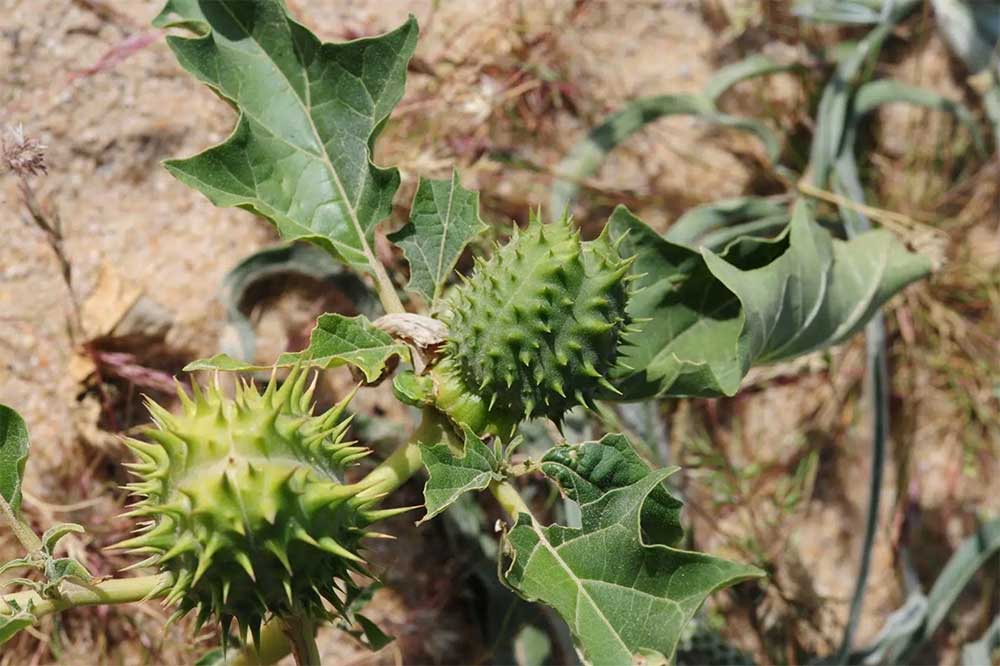
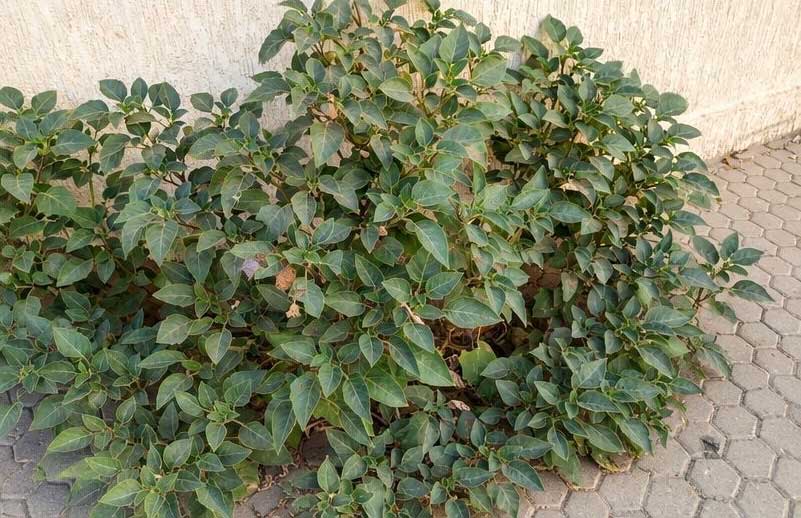
The authority has proposed a joint meeting with the Poison Control Center and EPA to develop an integrated national program to contain the spread of Datura. The proposed initiative would include field surveys to identify affected locations and assess plant density, with priority given to schools, public facilities, parks and areas frequently visited by children.
It would also involve scientific risk assessments and a technical plan for the safe removal, collection and disposal of toxic plant waste to prevent further seed dispersal and protect workers and the public.
Periodic monitoring would also be necessary, given the ability of Datura seeds to remain dormant in the soil and germinate again when conditions become favorable.
Al-Hashash stressed that public awareness would be a key component of the proposed program, with educational materials explaining the plant’s characteristics, health risks and safe handling practices, in cooperation with health, educational and environmental authorities.
She emphasized that controlling invasive poisonous plants requires an integrated national approach combining scientific assessment, field monitoring and public awareness to safeguard public health and Kuwait’s environment.