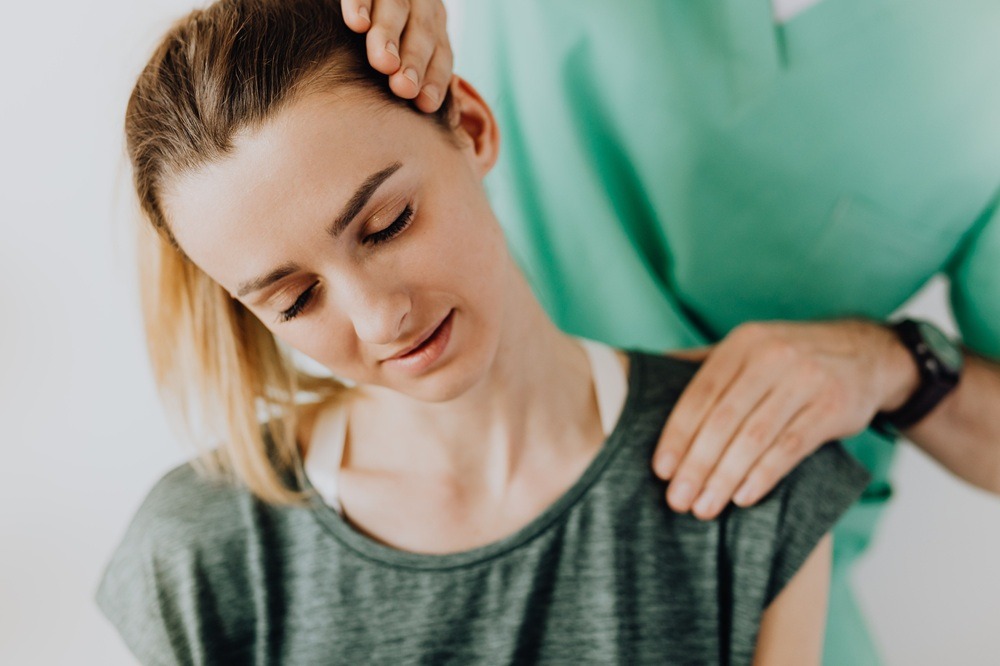
By Hermoine Macura-Noble
Pregnancy is often described as a miracle. Less frequently discussed are the sleepless nights caused by aching hips, the shooting pain that travels down a leg, or the discomfort of trying to find a comfortable position when even turning over in bed becomes an effort.
Then comes childbirth, followed by the physical demands of feeding, carrying and caring for a newborn. For many women, the expectation to recover quickly adds another burden to an already exhausting transition.
At Joint Space in Dubai, Chiropractor Catherine Moss DC is working with women through these stages, offering individualized musculoskeletal care during pregnancy and postpartum. Webster Technique certified, Moss has a particular interest in supporting women as their bodies adapt to pregnancy and recover after birth.
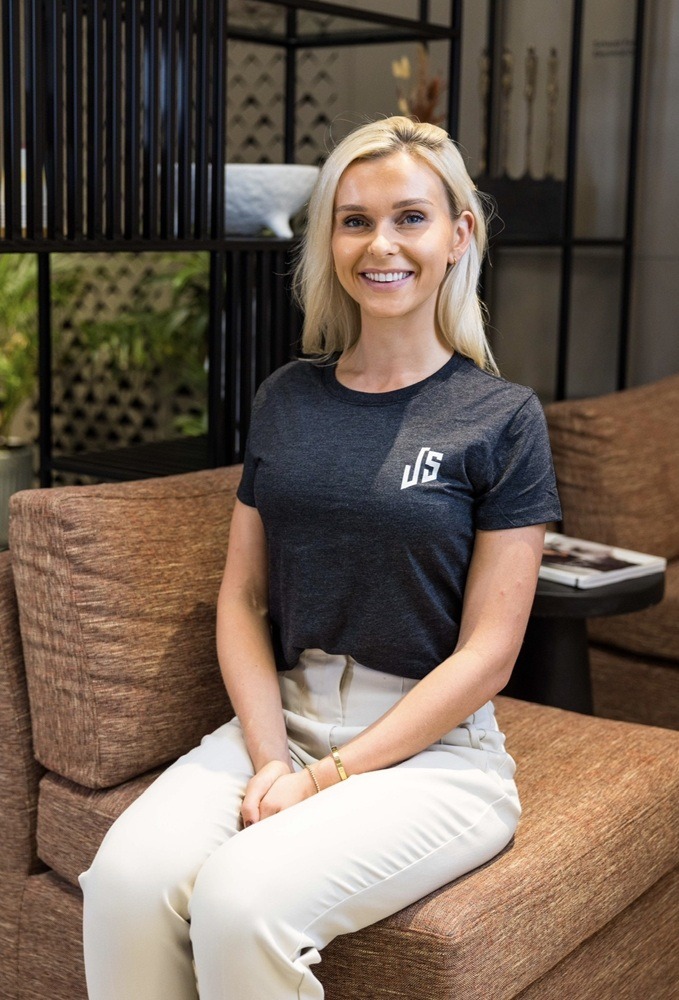
Her message is straightforward: women should not feel obliged to suffer through pain simply because they are mothers. “You can’t pour from an empty cup, and you don’t have to suffer in pain just because you are pregnant or battling the aches and pains that come with motherhood,” says Moss. “The right support can often help.”
But what exactly can chiropractic care offer pregnant women, and where should expectations be tempered by the evidence?
As pregnancy progresses, changes in posture, body weight, joint loading and movement can place additional demands on the back and pelvis. Hormonal changes also affect connective tissues, although the relationship between hormones and individual pain experiences is complex.
Back and pelvic girdle pain are recognized pregnancy-related complaints. For women experiencing persistent discomfort, the challenge is finding relief that is suitable for pregnancy and tailored to their individual circumstances. Moss explains that her work involves assessing the musculoskeletal system, including the spine, pelvis, hips, joints and muscles, to identify factors that may be contributing to pain or restricted movement.
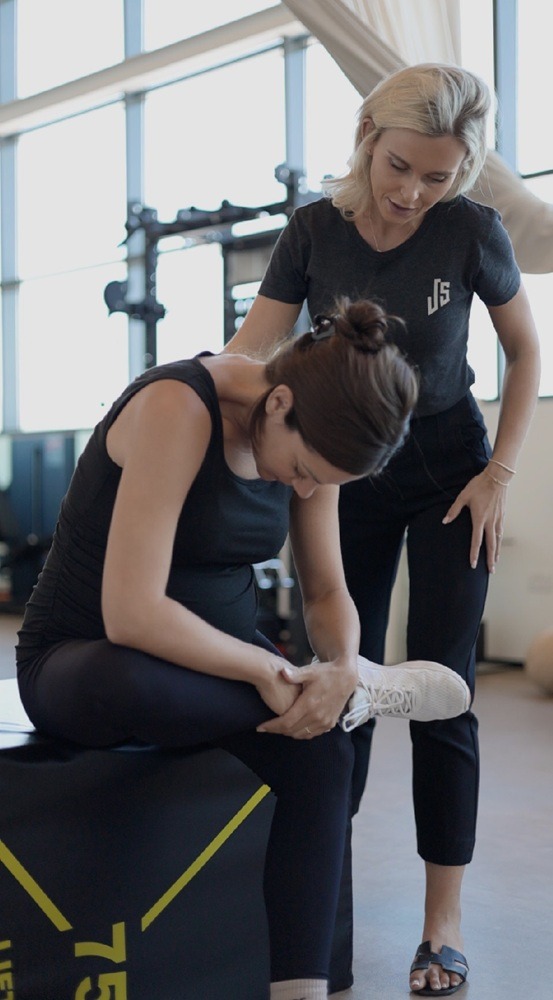
“Pregnancy is an incredible physiological process, but it also places new physical demands on the body which can lead to genuine musculoskeletal pain and discomfort,” adds Moss.
She believes care can offer more than hands-on treatment. Understanding why discomfort occurs, knowing which movements may help and having a plan for managing symptoms can also give women greater confidence as their bodies change. One of the most persistent misconceptions Moss encounters is that chiropractic treatment necessarily involves forceful movements and audible cracking.
“Many women think that they have to be ‘cracked’ when they see a chiropractor during their pregnancy,” she explains. “This can put some women off as they worry for the safety of themselves and their growing baby.”
Moss says her pregnancy-specific approach is gentler, using individualized techniques rather than assuming every patient needs the same adjustment. “The body is producing so much of a hormone called relaxin right now that small specific and gentle movements create big results.
Few subjects generate as much confusion as the Webster Technique, a specialized chiropractic approach associated with pregnancy and pelvic assessment. It is sometimes promoted online as a way to turn a breech baby into a head-down position. Moss is clear that this is not what the technique is intended to do. “The Webster Technique is NOT a technique which turns babies,” she says.
Moss explains that the technique focuses on the mother’s sacral and pelvic biomechanics, with the aim of addressing musculoskeletal dysfunction in that region. It does not involve physically manipulating the baby.
“Historically, terminology surrounding Webster contributed to the misconception that it was a ‘breech-turning’ technique, but the chiropractor is addressing the mother’s biomechanics, not physically manipulating or turning the baby.”
For Kristine Brown, a Gulf based patient who sought Moss’s help during pregnancy, the issue was not an abstract discussion about posture or pelvic mechanics. It was the relentless experience of pain interfering with daily life.
“During my pregnancy I developed sciatic nerve pain, with horrible spasms in both legs every night,” she recalls. “I couldn’t sleep, I couldn’t function properly, and I still had to get up and go to work every morning. I was exhausted and honestly didn’t know what to do.”
After finding Moss, Brown says she received an assessment and treatment that included dry needling, a technique involving the insertion of fine needles into targeted tissues. “She took the time to understand what was going on and treated me with dry needling, which made a huge difference,” Kristine says.
If pregnancy brings its own physical challenges, the weeks and months after birth can introduce a new set of demands. Feeding positions, lifting a baby, carrying a car seat and repeatedly bending over a cot can place strain on the neck, shoulders, back and wrists.
Yet popular culture often presents postpartum recovery as a race to regain a pre-pregnancy body. Moss rejects that expectation. “Postpartum chiropractic care isn’t about helping women ‘bounce back’; in fact, I’d argue it’s quite the opposite,” she says.
“Since becoming a mum myself, I’ve really understood how different your body can feel after having a baby and how much your physical needs change,” adds Moss.
Her aim, she says, is to support the woman a mother has become, rather than pressure her to return to the person she was before pregnancy. She also challenges the belief that a woman should be “back to normal” within a few weeks.
For Moss, the broader message extends beyond the treatment room. Mothers do not have to prove their strength by enduring avoidable suffering, nor do they need to rush their recovery to meet someone else’s expectations.
In a culture that often asks women to do more, recover faster and carry on regardless, perhaps the most valuable message is also the simplest: seeking appropriate support is not a sign of weakness. It is part of caring for the person who is caring for everyone else.
 By Hermoine Macura-Noble
The first Australian English speaking News Anchor in the Middle East. She is also the Author of Faces of the Middle East and Founder of US-based 501c3 charity – The House of Rest which helps to ease the suffering of victims of war. For more from our Contributing Editor, you can follow her on Instagram, here.