Special to The Times Kuwait
Diwali, the Festival of Lights, is a time for joy, family gatherings and cherished traditions. As homes sparkle with colourful decorations and families come together to celebrate, the festival also offers an opportunity to reflect on the environmental impact of our celebrations and embrace more sustainable ways to mark the occasion.
From fireworks and disposable decorations to excessive packaging and food waste, conventional festivities can leave a considerable environmental footprint. Choosing eco-friendly alternatives, however, can help preserve the spirit of Diwali while making celebrations safer and more responsible.
Rethinking Fireworks and Firecrackers
Fireworks have long been associated with Diwali celebrations, but their impact on air quality and noise pollution has become a growing concern. Firecrackers release smoke, fine particulate matter and chemical pollutants into the atmosphere, contributing to deteriorating air quality in many Indian cities during the festive season.
Particulate matter, particularly PM2.5, poses a significant health risk because these microscopic particles can penetrate deep into the lungs and enter the bloodstream. Exposure has been linked to respiratory irritation, aggravated asthma and cardiovascular complications. Children, older adults and people with existing heart or lung conditions are particularly vulnerable.
Firecrackers also generate excessive noise, which can affect people, pets and wildlife. Infants and young children are especially sensitive to loud sounds, making quieter celebrations a more considerate choice.
For those who wish to retain the tradition of fireworks, certified green crackers offer a potentially less polluting alternative. Developed through research initiatives in India, these crackers are designed to reduce certain harmful emissions and noise levels compared with conventional fireworks.
However, green crackers are not pollution-free. Their environmental impact can vary, and reducing or avoiding fireworks altogether remains the more sustainable option.
Traditional Diyas for a Greener Glow
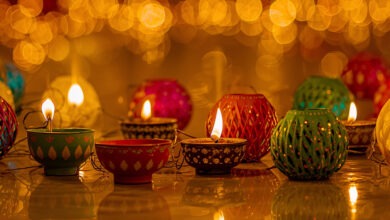
Traditional earthen diyas remain one of the most beautiful and meaningful ways to illuminate a home during Diwali. Made from clay, these lamps bring a warm, natural glow to festive spaces while preserving a centuries-old tradition.
Reusable clay diyas can be a more sustainable choice than disposable decorations, particularly when they are used year after year. Choosing locally made lamps and using them responsibly can also help reduce unnecessary consumption.
For those who prefer electric lighting, energy-efficient LED lamps and decorative lights offer an effective way to brighten homes while consuming less electricity than conventional incandescent bulbs. A combination of traditional diyas and energy-saving lights can create a festive atmosphere that is both elegant and environmentally conscious.
Natural Rangoli and Handmade Decorations
Rangoli is an integral part of Diwali celebrations, with colourful patterns traditionally created at entrances and courtyards to welcome prosperity and good fortune.
Instead of synthetic colours and plastic-based decorative materials, families can opt for natural alternatives such as rice flour, flower petals, turmeric and other plant-based colours. These materials offer a beautiful way to celebrate the tradition while reducing the use of artificial products.
Handcrafted torans, or decorative door hangings, can also add a distinctive touch to festive interiors. Reusing colourful fabrics, including old dupattas and sarees, offers a creative alternative to disposable plastic decorations. Fresh flowers, reusable fabric garlands and natural materials can further enhance the festive atmosphere while helping reduce household waste.
Celebrate Without the Waste
Sustainable Diwali celebrations extend beyond decorations and fireworks. Thoughtful choices in gift-giving, food preparation and everyday consumption can make a meaningful difference.
When exchanging gifts, consider wrapping them in reusable cloth, recycled paper or other sustainable materials instead of plastic-coated gift paper and disposable bags. Cloth bags can also be reused for shopping and future celebrations.
Preparing traditional sweets and delicacies at home is another way to celebrate sustainably. Homemade treats can be shared with neighbours and friends in reusable steel or glass containers, reducing the need for excessive packaging.
Families can also plan meals carefully to avoid food waste, use reusable plates and cutlery, and separate recyclable materials for appropriate disposal.