The Times Kuwait Report
Diwali, the Festival of Lights, continues to evolve with changing times, bringing together age-old traditions and modern celebrations while preserving the cultural and spiritual values that make it one of India’s most cherished festivals.
From the glow of traditional oil lamps to dazzling LED displays, the festival reflects a harmonious blend of heritage, creativity and contemporary lifestyles. Celebrated across India and by Indian communities worldwide, Diwali symbolizes the triumph of light over darkness, knowledge over ignorance and good over evil.
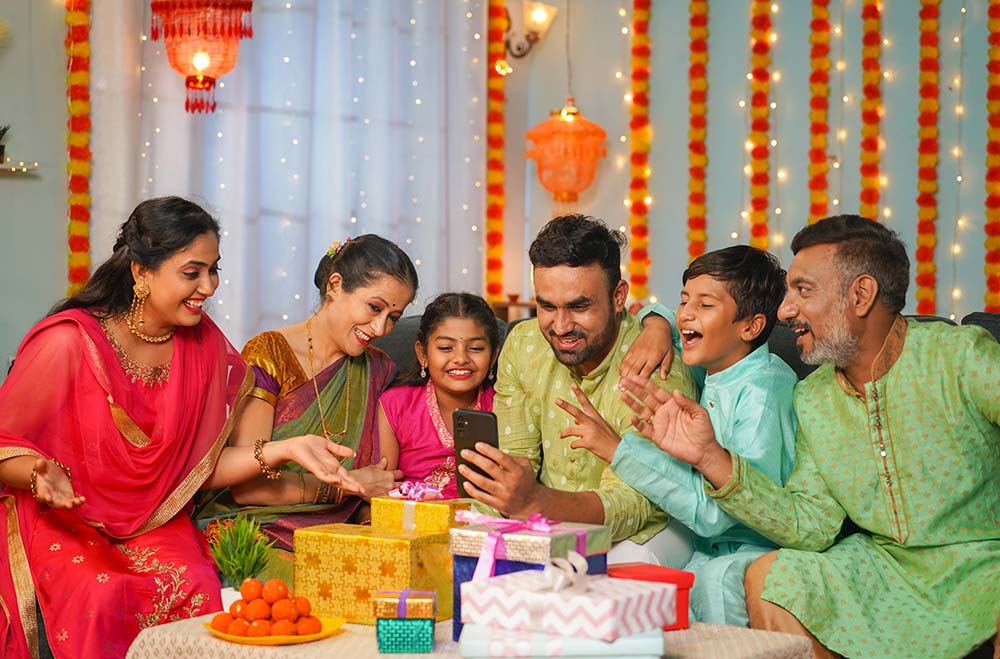
At the heart of the festivities are family gatherings, where relatives come together to share meals, exchange gifts and participate in traditional rituals. Homes are cleaned and decorated with colourful rangoli designs, flowers, decorative lights and earthen lamps, creating an atmosphere of warmth and positivity.
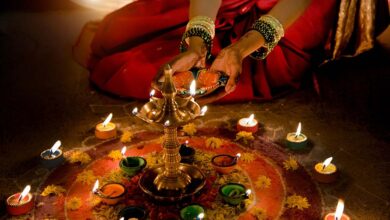
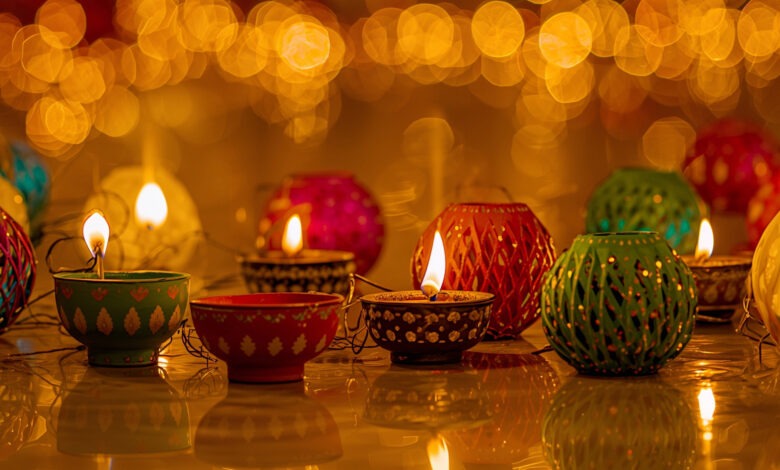
The lighting of diyas remains one of the most meaningful traditions of Diwali, symbolizing the removal of darkness and the welcoming of prosperity, hope and happiness. Prayers, family gatherings and festive meals continue to reinforce the spiritual significance of the occasion.
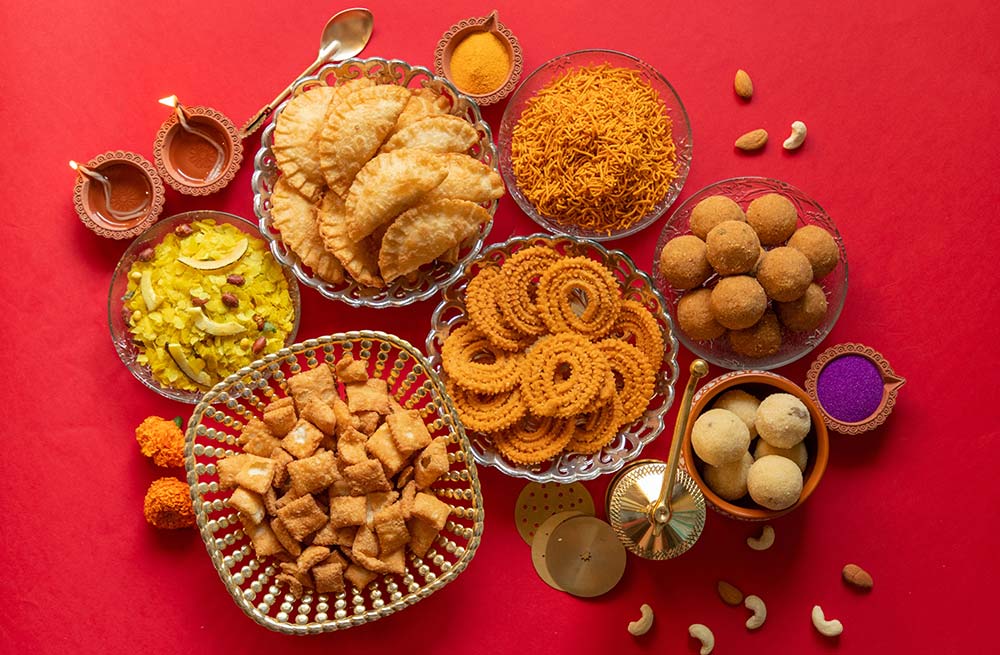
Food is another integral part of the celebrations. Traditional sweets such as gulab jamun, barfi, jalebi, laddus and kaju katli are prepared and shared with family members, neighbours and friends. Savoury snacks and specially prepared festive meals add to the celebrations, while exchanging sweets and gifts strengthens bonds of friendship and goodwill.
Diwali shopping has also become an important part of the festive season. Markets and shopping centres come alive with colourful decorations, traditional clothing, gifts and festive merchandise. From handcrafted clay lamps to modern decorative lighting, families increasingly combine traditional elements with contemporary designs to create welcoming spaces for celebrations.
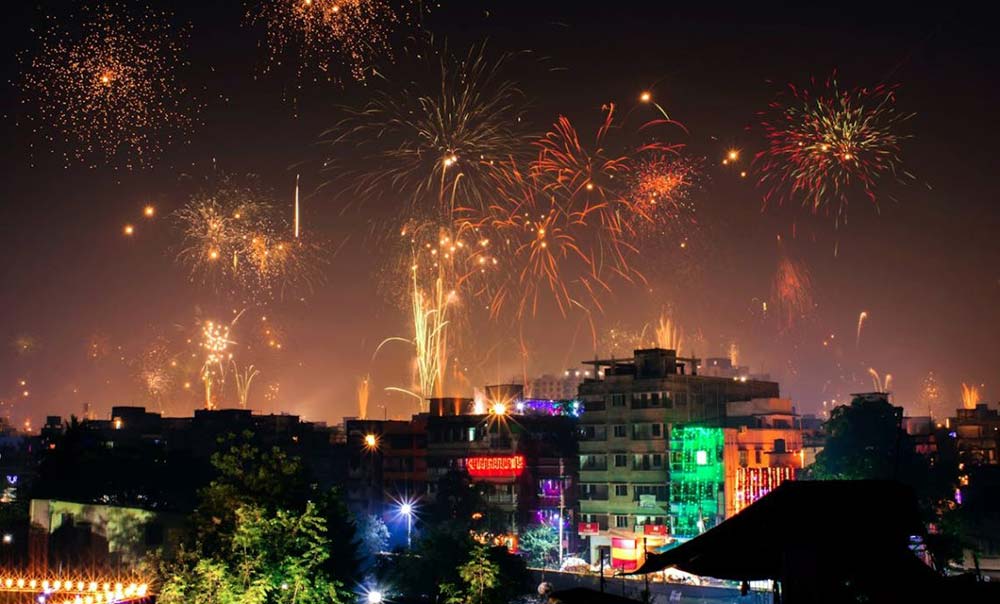
Cultural expression remains central to the festival. Rangoli, created using coloured powders, flowers and rice, adorns entrances and courtyards, reflecting creativity and symbolizing good fortune.
Cultural performances, music, dance and community competitions provide opportunities for people of all ages to participate, while helping younger generations connect with their cultural heritage.
Beyond individual homes, Diwali has become a celebration of community engagement and social responsibility. Public gatherings, cultural programmes and collective prayers bring people together, strengthening social connections and promoting cultural understanding.
The spirit of generosity also extends to charitable activities, with families and communities sharing food, gifts and assistance with those in need. Corporate Diwali celebrations have similarly evolved, with businesses organizing festive gatherings and distributing gifts to employees, clients and partners as a gesture of appreciation and goodwill.
Technology has introduced new dimensions to the festival without diminishing its traditional significance. Digital greeting cards, video calls and social media allow families separated by distance to celebrate together. Online shopping and digital payments have made festive preparations more convenient, while contemporary lighting systems and modern decorations offer new ways to illuminate homes.
At the same time, growing awareness of environmental responsibility is encouraging families to adopt sustainable decorations, energy-efficient lighting and more environmentally conscious celebrations.
Despite these changes, the essence of Diwali remains unchanged. Family bonding, spiritual reflection, cultural expression and community participation continue to define the festival.
As tradition meets modernity, Diwali stands as a celebration of continuity and change, demonstrating how cultural heritage can remain vibrant across generations. Its enduring message of hope, generosity and unity continues to illuminate homes and hearts, bringing people together in a shared celebration of life and the triumph of good over evil.