Kuwait Moves Ahead With Excise Tax on Tobacco, Energy Drinks and Sugary Beverages
Proposed GCC tax framework targets four categories of products, with implementation date yet to be announced
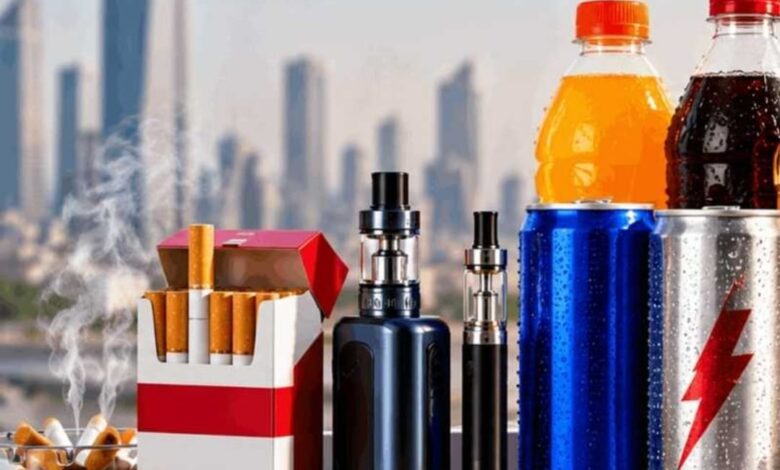
Kuwait has taken a step towards introducing excise taxation after the Cabinet approved a draft decree-law concerning the Unified Excise Tax Agreement of the Gulf Cooperation Council (GCC) countries and its amendment, referring the measure to His Highness the Amir Sheikh Meshal Al-Ahmad Al-Jaber Al-Sabah for approval.
The proposed framework is expected to cover four main categories of products: tobacco and its derivatives, energy drinks, carbonated beverages and sweetened drinks. The measure forms part of wider GCC efforts to harmonize indirect taxation, discourage the consumption of products considered harmful to health and diversify government revenue beyond oil.
According to reports on the proposed framework, the anticipated tax rates include 100 percent for tobacco products and energy drinks, while carbonated beverages could attract a 50 percent levy. Sweetened beverages are expected to be taxed according to their sugar content under the applicable GCC framework. The final rates and detailed provisions applicable in Kuwait remain subject to the completion of the legislative process and official announcements.
Four categories under the proposed tax
Tobacco and its derivatives: Tobacco products and related items are among the principal categories covered by the GCC excise tax framework. The proposed levy is intended to discourage tobacco consumption while generating additional public revenue.
Energy drinks: Energy drinks are another key category targeted by the proposed tax. GCC countries have adopted high excise rates for these products as part of efforts to influence consumption patterns and promote public health.
Carbonated beverages: Carbonated drinks are expected to fall within the scope of the tax, with a 50 percent rate cited under the proposed framework.
Sweetened beverages: Drinks containing added sugar or other sweeteners are also expected to be covered. Their tax treatment is linked to sugar content under the evolving GCC framework, although Kuwait’s final implementing provisions have yet to be announced.
What will the tax mean for consumers and businesses?
The introduction of excise taxation could affect retail prices for products within the covered categories, depending on the final tax rates, how the tax is calculated and the extent to which businesses pass the additional cost on to consumers.
Importers, manufacturers and distributors are also likely to face new compliance requirements, including product classification, tax registration where applicable, record-keeping and reporting obligations under the eventual regulations.
Businesses handling taxable products may need to review their inventory, pricing structures and supply-chain arrangements ahead of implementation. The government is expected to provide further details on compliance procedures and any transitional arrangements as the process advances.
Part of wider GCC tax coordination
The GCC Unified Excise Tax Agreement establishes a common framework for applying and collecting excise taxes across member states. Its provisions seek to coordinate tax policies, facilitate the monitoring of taxable goods and strengthen economic integration across the region.
Kuwait’s Cabinet approval represents a significant procedural step towards adopting the framework. However, the approval of the draft decree-law should not be interpreted as confirmation that the tax has already taken effect.
As of October 28, 2026, an official implementation date for Kuwait has not been announced. Consumers and businesses will need to await the final legal provisions and subsequent guidance from the relevant authorities to determine when the tax will apply and how it will affect individual products.
The proposed measure is expected to provide Kuwait with an additional source of non-oil revenue while aligning its indirect taxation framework more closely with that of other GCC countries.