Without Council approval, Shuaiba North power station sale faces major setback
. . . potential re-tendering not ruled out
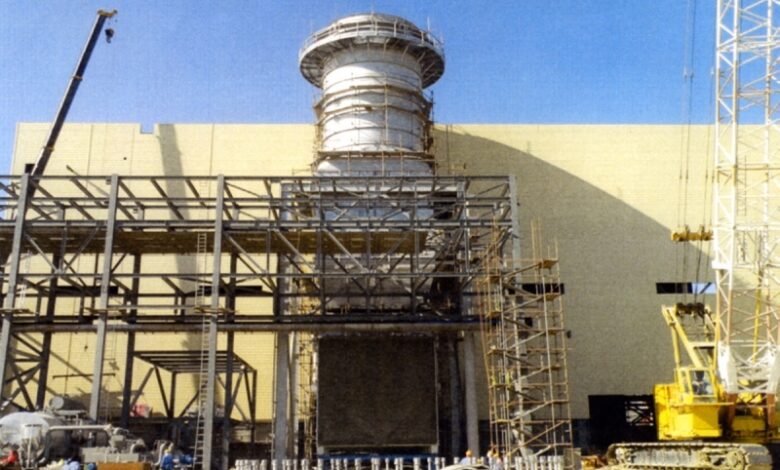
Concerns are growing over the fate of the long-awaited project to privatize the Shuaiba North power station, amid fears that the process may be returning “back to square one.”
The debate resurfaced after delays linked to the absence of the Supreme Privatization Council, whose approval is crucial for finalizing key contracting procedures.
In a formal communication to the Minister of Electricity, Water and Renewable Energy — who also serves as Minister of Finance and Acting Minister of State for Economic Affairs and Investment — Sheikh Fahad Al-Salem Al-Sabah, head of the technical body overseeing the privatization program, outlined the extensive steps already taken to advance the project, reports Al-Rai daily.
According to the letter, the Cabinet had granted its approval to allocate the Shuaiba North station on July 16, 2018, during meeting No. 2018/28.
The technical body was instructed to coordinate with the Ministry of Electricity and Water and all relevant authorities to proceed with the allocation process in line with the legal framework established under Law No. 37 of 2010.
Following this directive, the Supreme Privatization Council and the technical bureau initiated the necessary preparatory work to launch the project. This included drafting procedures for transferring ownership of the station’s assets to a joint-stock company—a key requirement of the privatization law — and forming a joint committee with the Ministry. The committee developed tender documents, terms of reference, technical studies and all required outputs.
Two major tenders were subsequently floated: one for appointing consulting firms to evaluate the station’s assets, and another covering the broader privatization procedures.
The committee completed its evaluations and selected the consulting firms. Approval from the State Audit Bureau for awarding the contracts was also obtained before its extension expired in November 2024.
However, Sheikh Fahad’s letter emphasized that despite all preparatory stages having been completed, no contract can be awarded or signed without the approval of the Supreme Privatization Council. The Council is responsible for endorsing the selected consulting firms and authorizing the final contracting steps.
The absence of the Council has placed the process in a critical bottleneck. Sheikh Fahad warned that prolonged delays could lead to companies withdrawing from the project and the expiration of their submitted offers, forcing the government to re-tender both practices.
Such a scenario, he noted, would not only result in significant delays but also undermine years of work, financial investment, and regulatory approvals already secured.
Re-tendering would require restarting the entire process—from studies and documentation to approvals—effectively resetting the project to its initial stages.
Additionally, the letter cautioned that the value of the station’s assets could gradually decline over time. Furthermore, if tenders are reissued, consulting firms may submit higher bids, increasing the overall cost of the project.
As Kuwait continues its push toward privatization and efficiency in the utilities sector, the future of the Shuaiba North project now hinges on one decisive factor: the swift reconstitution and activation of the Supreme Privatization Council.