Up to 10 percent of Hormuz oil flows from Kuwait as Asia faces major supply shock
Strait of Hormuz effectively closed, 20% of global oil and LNG at risk; missile strikes and shipping halt threaten Gulf energy exports -- S&P
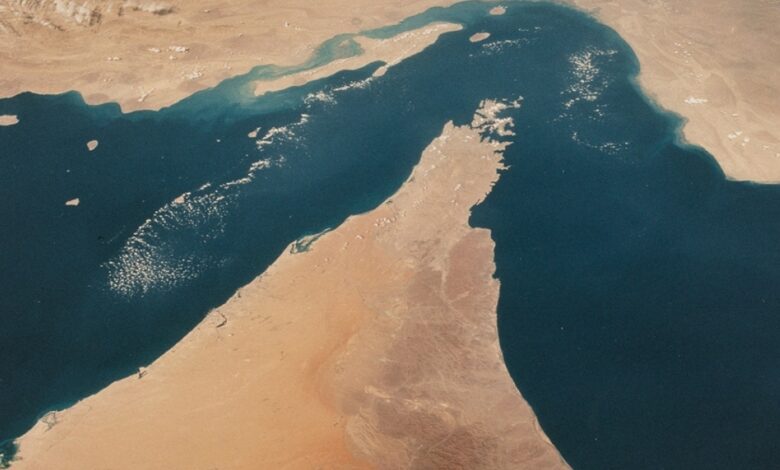
A report by S&P Global said escalating geopolitical tensions in the Middle East have led to a de facto closure of the Strait of Hormuz, after several major international shipping companies suspended vessel transit through the vital corridor.
According to media reports cited in the study, some oil tankers crossing the strait were struck by missiles, marking a serious escalation directly impacting oil and gas fields and key energy infrastructure.
S&P noted that up to 65 percent of crude oil and petroleum passing through the strait originates from Gulf countries. Saudi Arabia accounts for 37 percent of these flows, followed by the United Arab Emirates at 13 percent and Kuwait at 10 percent, with Iraq and Iran also contributing significant volumes.
The strait remains a critical global trade route not only for crude oil and liquefied natural gas (LNG), but also for petrochemicals, chemicals, and aluminum exports.
The report stressed that exporters in the Gulf — particularly Qatari entities, which rely heavily on the strait as their primary export route — would face severe consequences from prolonged disruptions.
Asian economies are expected to bear the brunt of supply interruptions. Between 88 and 90 percent of crude oil and 85 to 86 percent of LNG transported through Hormuz is destined for Asian markets, notably China, India, South Korea, Japan and Pakistan.
S&P highlighted the difficulty of quickly replacing these supplies. Alternatives such as Russian oil and gas are constrained by limited infrastructure and incompatibility between different crude grades.
While Saudi Arabia’s East-West pipeline and the UAE’s Fujairah pipeline to the Gulf of Oman offer partial alternatives, they are not operating at full capacity and cannot fully offset disrupted volumes. Currently, more than 80 percent of Saudi crude exports and roughly 65–68 percent of UAE crude exports pass through Hormuz.
In the short term, strategic reserves may cushion supply shocks. Countries like South Korea and Japan hold stockpiles sufficient to cover more than 200 days of domestic consumption. However, S&P warned that a prolonged closure would restrict access to nearly 20 percent of global crude oil and LNG supplies.
The report added that companies dependent on Hormuz face operational vulnerabilities including shipping delays, rerouting, and sharply higher freight costs.
These pressures could extend across the value chain — from drilling and refining to distribution — potentially affecting credit ratings, particularly for highly leveraged firms.
War risk insurance premiums for vessels transiting the Gulf have surged, with increases of up to 50 percent in some cases. While elevated oil prices may boost revenues for producers still able to export, S&P emphasized that sustained export constraints remain the most critical credit risk factor.