UNESCO highlights youth as key partners in shaping the future of education
The organization calls on governments, educators, civil society organizations, and partners to place youth at the center of educational transformation
On the occasion of the International Day of Education 2026, UNESCO underscored the critical role of young people in transforming education systems, calling for their meaningful participation as partners and co-creators rather than passive beneficiaries.
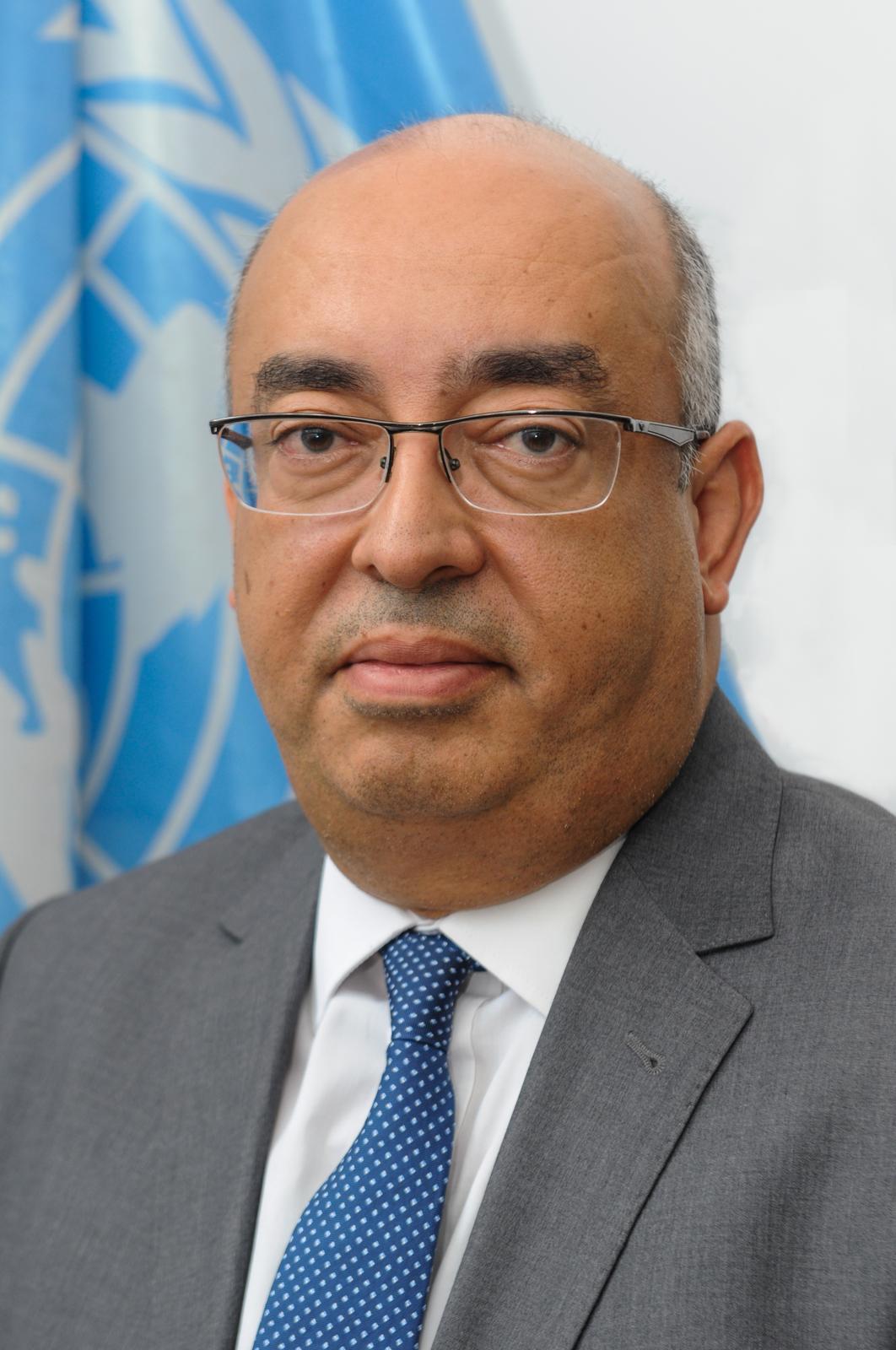
In a statement marking the day, Salah Khaled, Director of UNESCO’s Regional Office for the Gulf States and Yemen, said this year’s theme, “The Power of Youth in Co-Creating Education,” reflects a core principle of UNESCO’s mission: education is a fundamental human right, a public good, and a shared responsibility.
“Young people are not only recipients of education systems—they are innovators, leaders, and essential actors in shaping their own futures,” Khaled said, stressing that youth engagement must extend beyond consultation to active involvement in policymaking, implementation, and evaluation.
Across the Gulf States and Yemen, youth represent a powerful force for creativity, resilience, and social change. With more than half of the world’s population under the age of 30, UNESCO emphasized that empowering young people is central to building peaceful, inclusive, and sustainable societies. However, persistent challenges such as poverty, inequality, and limited access to quality education continue to hinder many from realizing their full potential.
As part of its global efforts, UNESCO announced the upcoming release of a new international measurement tool to track youth participation in education legislation and policymaking. Developed by the Global Education Report team in collaboration with the UN Youth Office, the initiative aims to hold education systems accountable for commitments made during the Transforming Education Summit and under the Pact for the Future.
The statement also highlighted the rapid technological, economic, and social transformations taking place across the region, calling for education systems that equip young people with critical thinking, civic engagement, digital skills, and problem-solving abilities. UNESCO stressed that future-ready education systems must be co-designed with youth, not designed for them.
UNESCO further commended young people across the Gulf States and Yemen who are already leading change—supporting peers in crisis-affected communities, advancing digital innovation, promoting sustainability, and contributing to community-based learning initiatives.
“These efforts demonstrate that when youth are meaningfully engaged, education becomes more inclusive, relevant, and responsive to future challenges,” Khaled noted.
Concluding the statement, UNESCO called on governments, educators, civil society organizations, and partners to place youth at the center of educational transformation. Empowering young people, the organization said, is not only essential for stronger education systems but also a vital investment in peace, prosperity, and humanity’s shared future.