UN-Habitat concludes 4th Sustainable Kids Camp with science projects exhibition
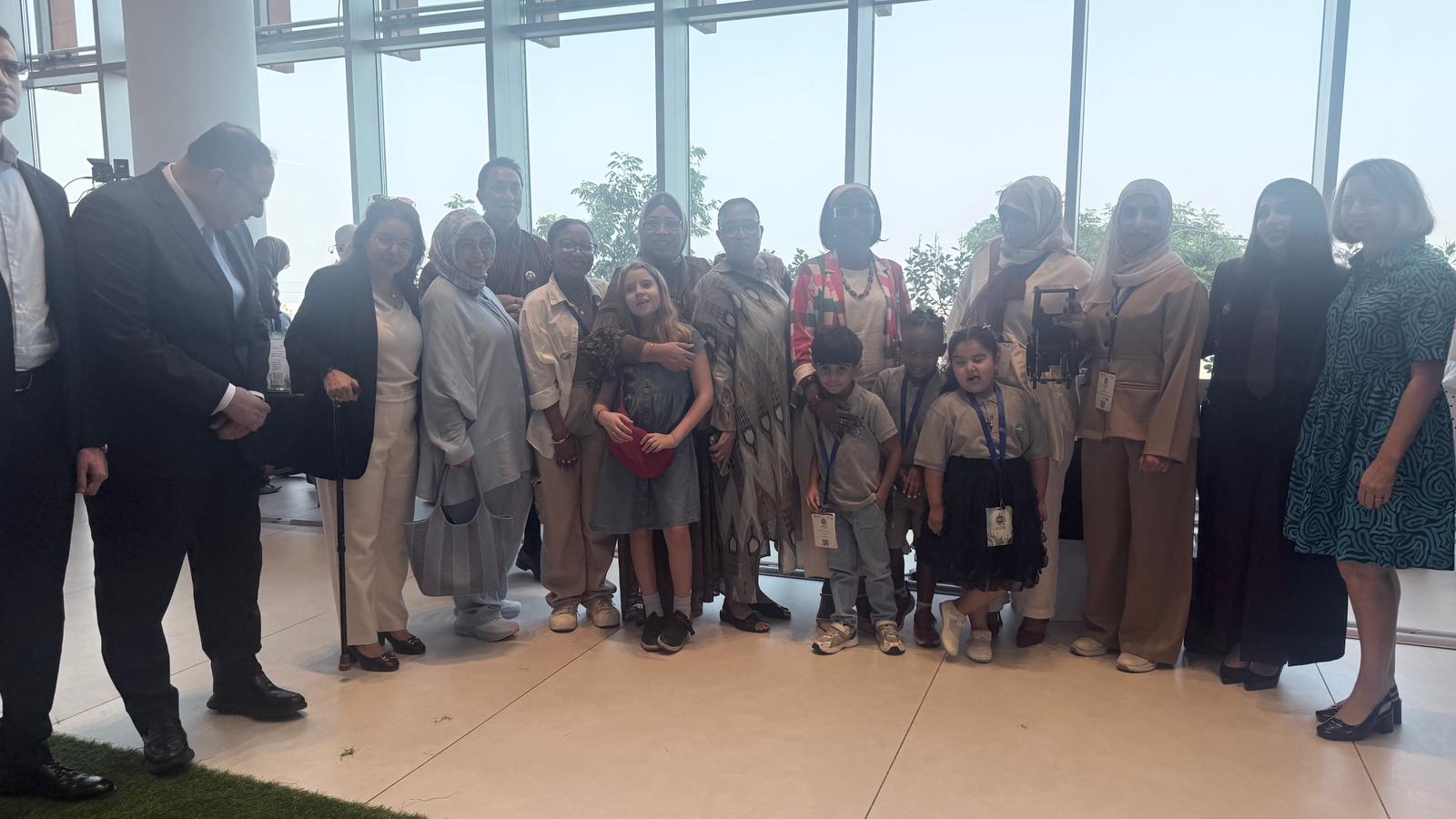
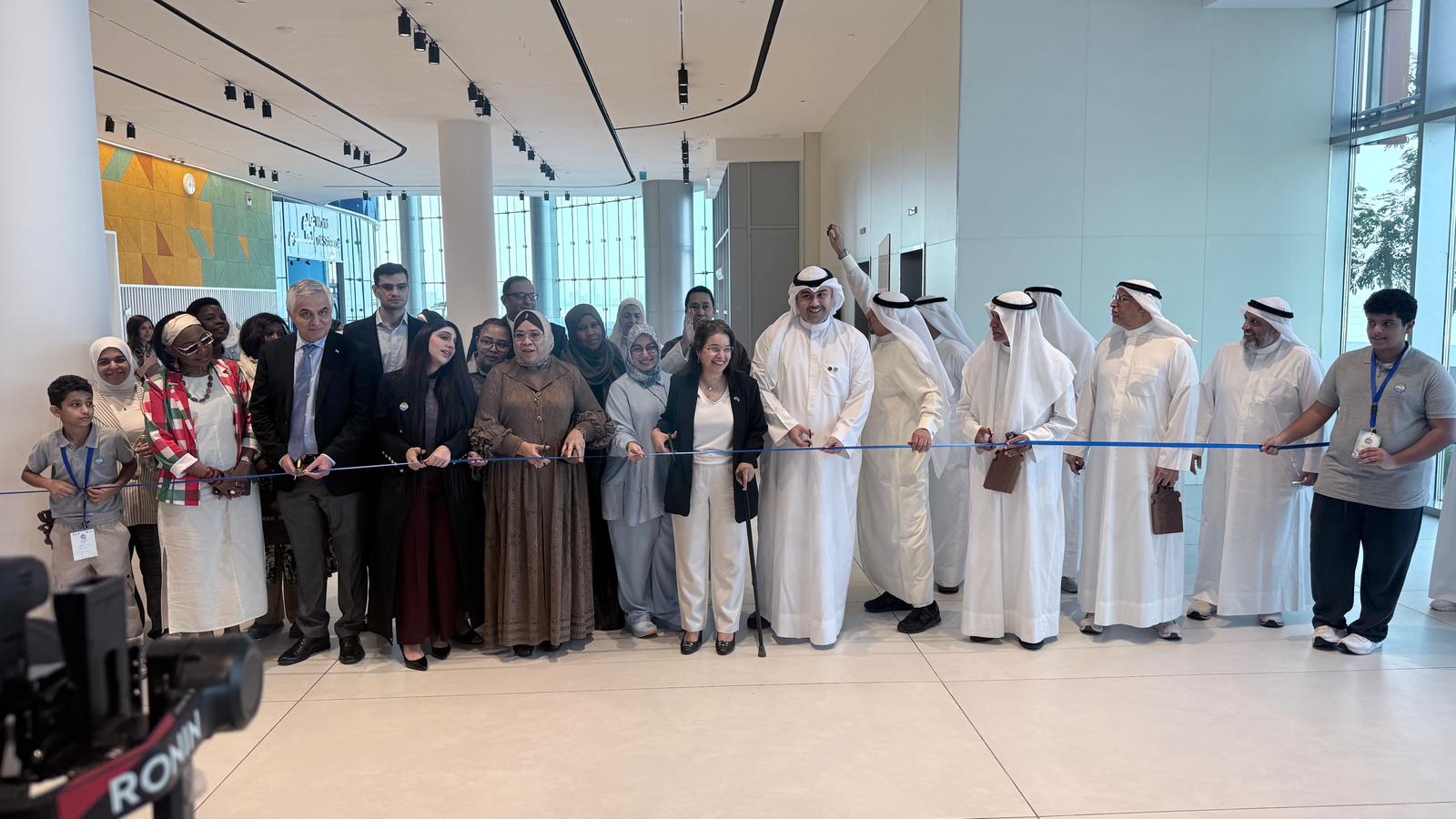
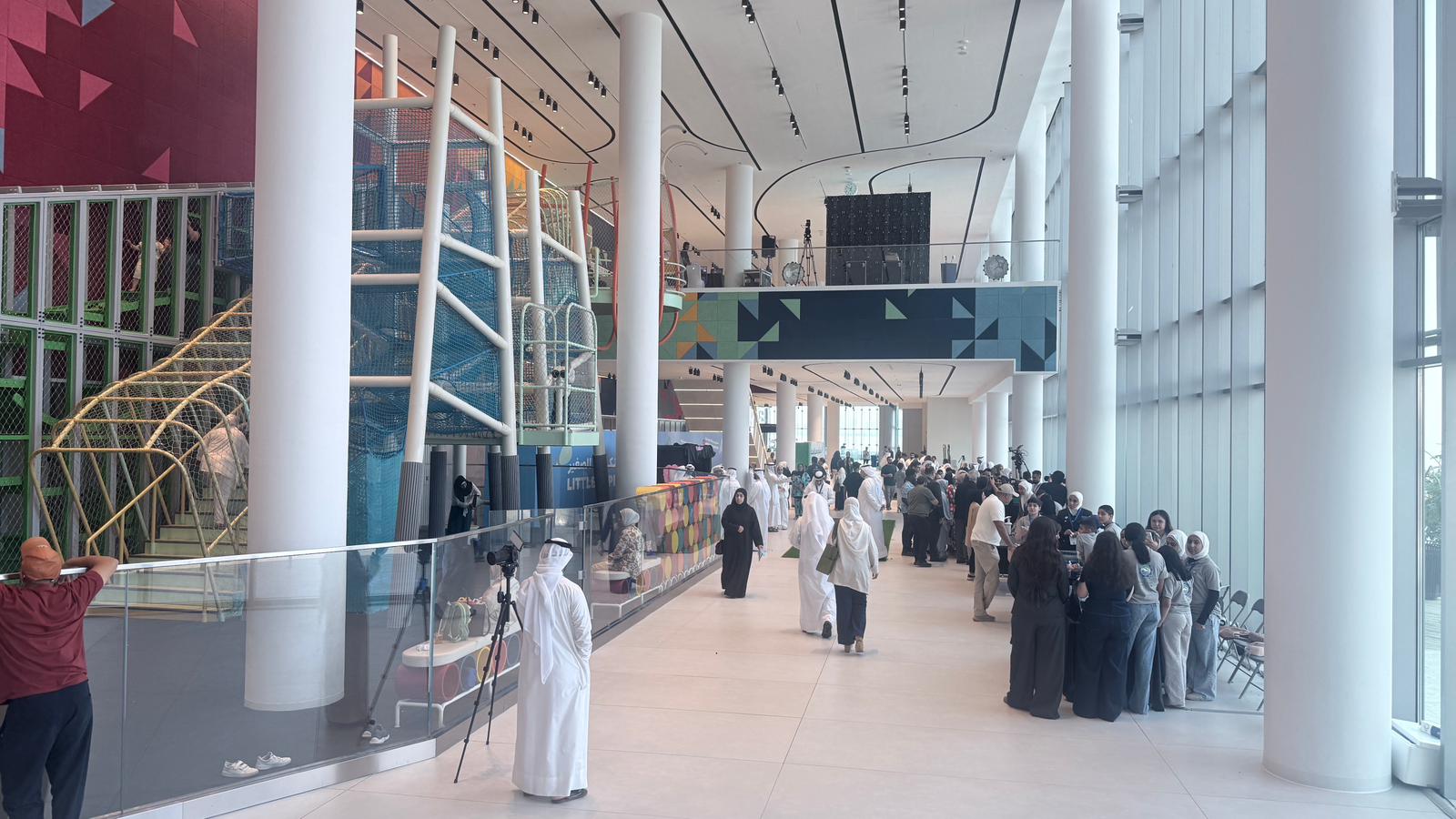
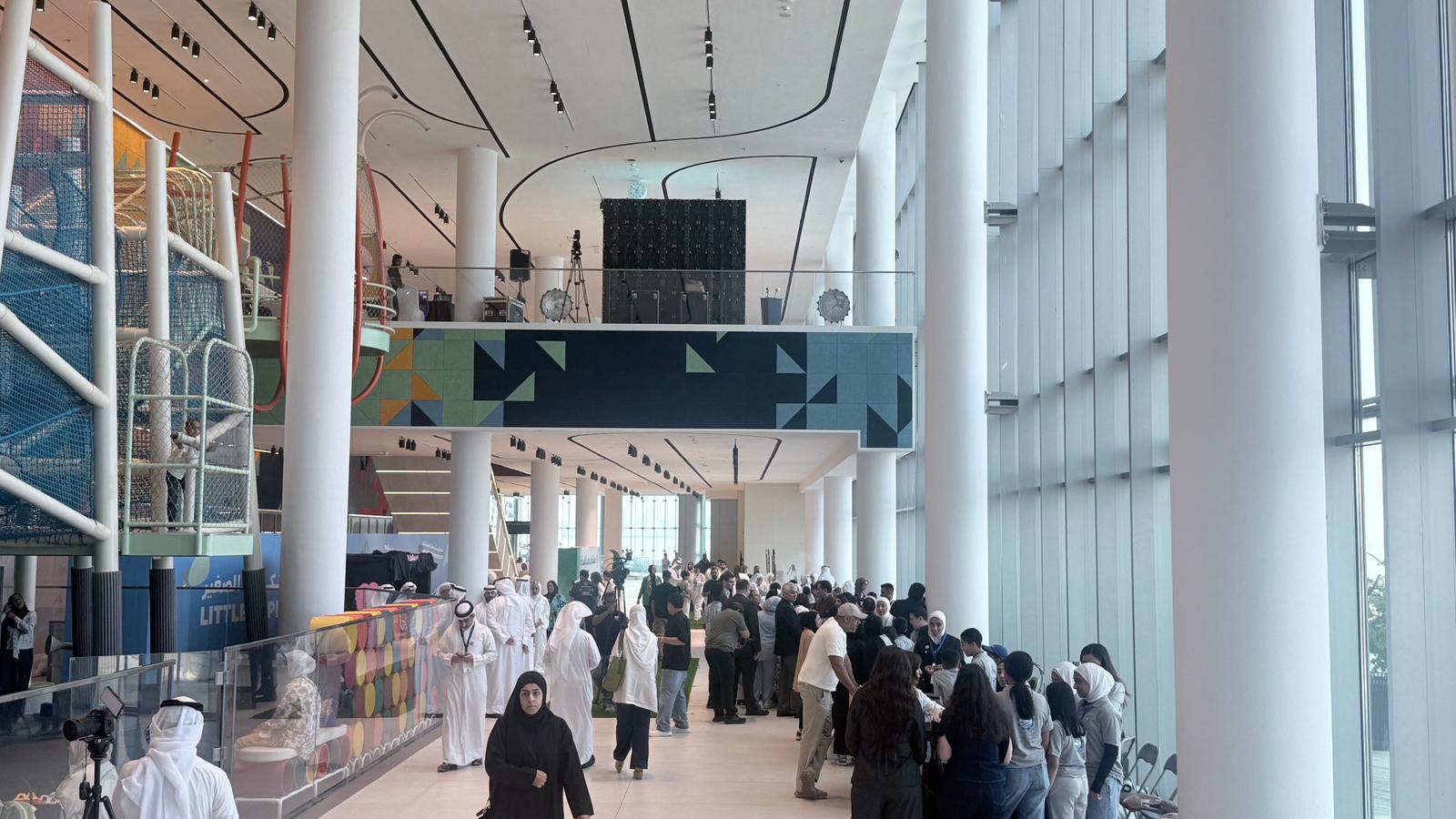
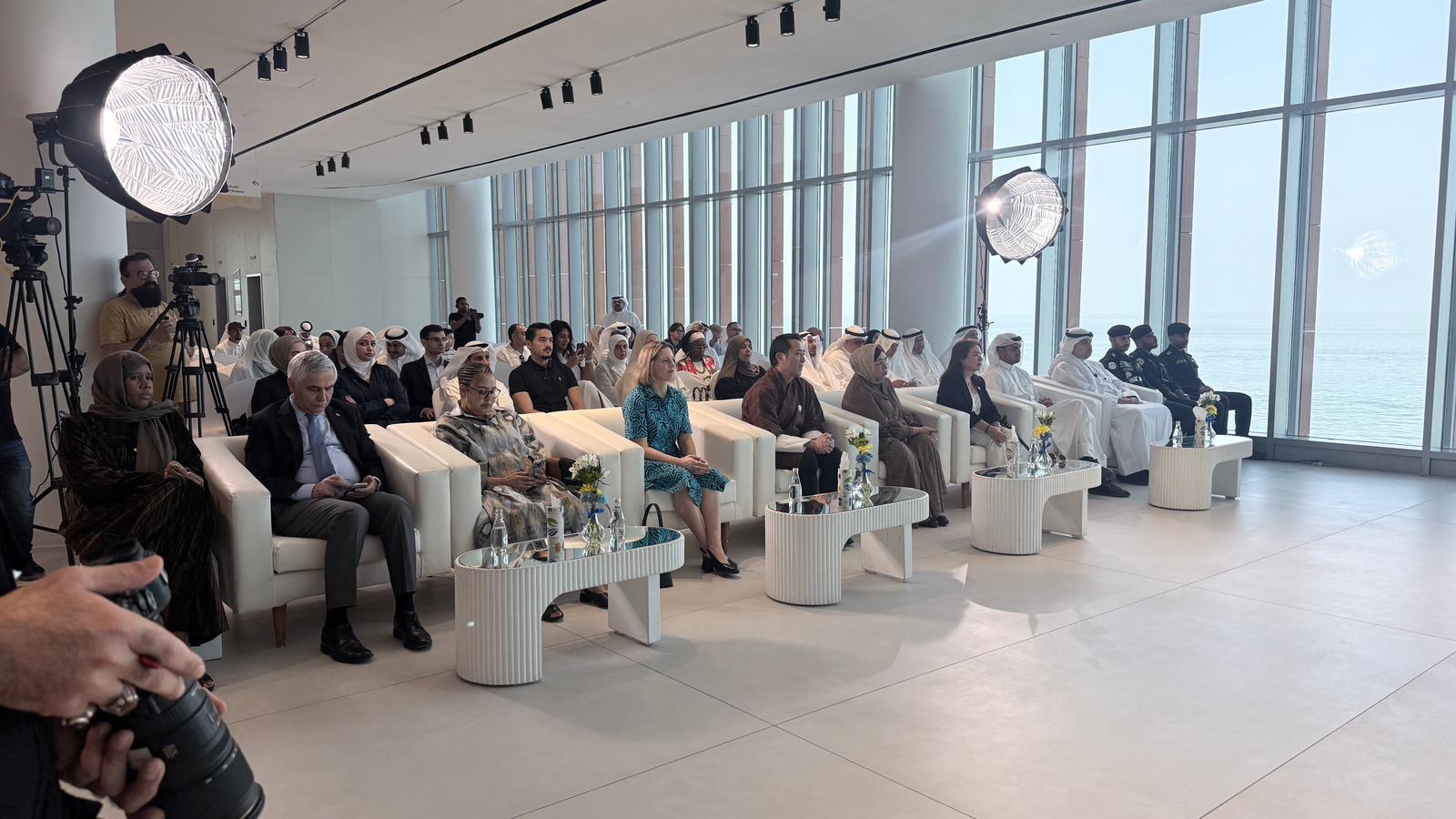
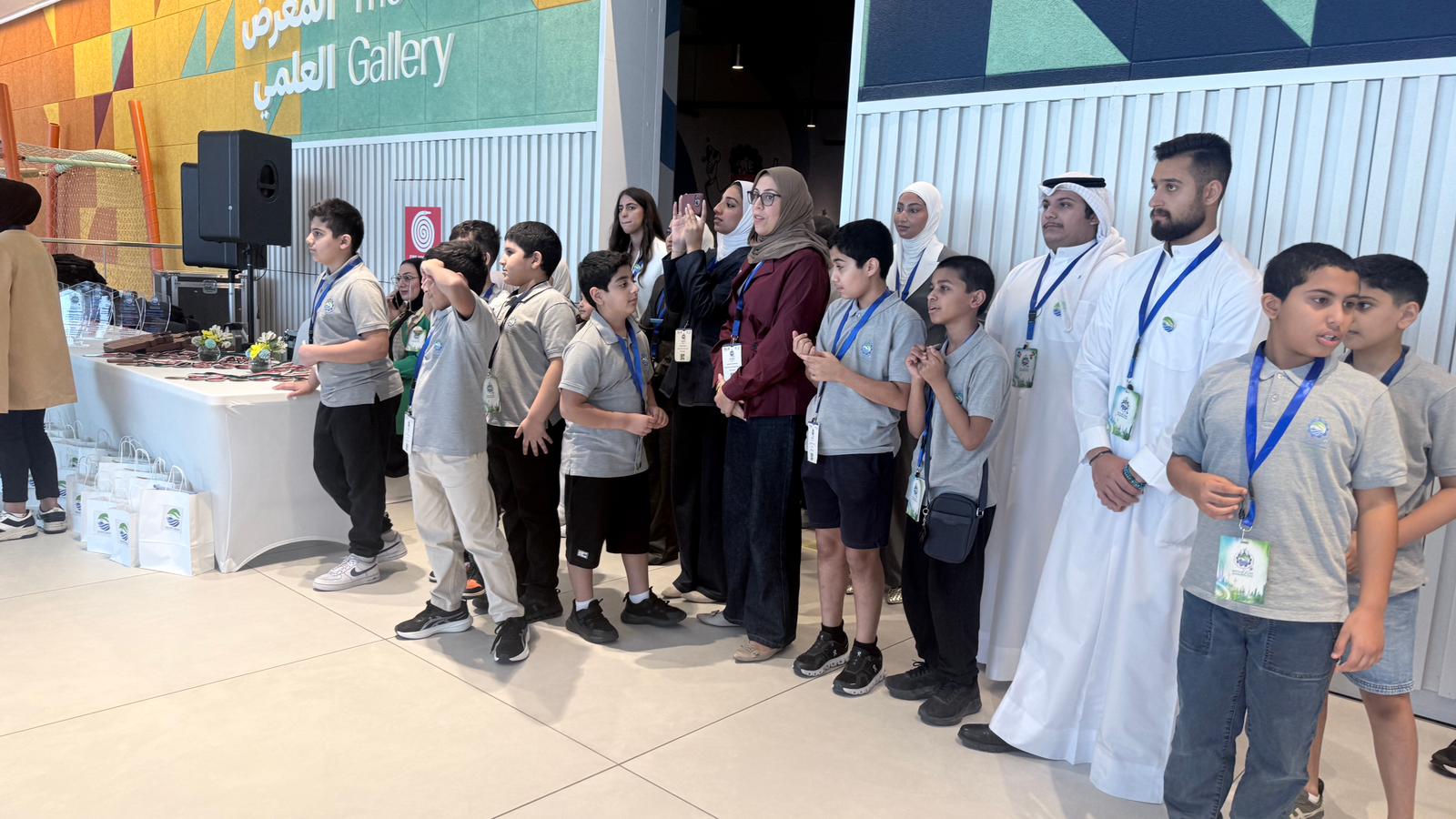
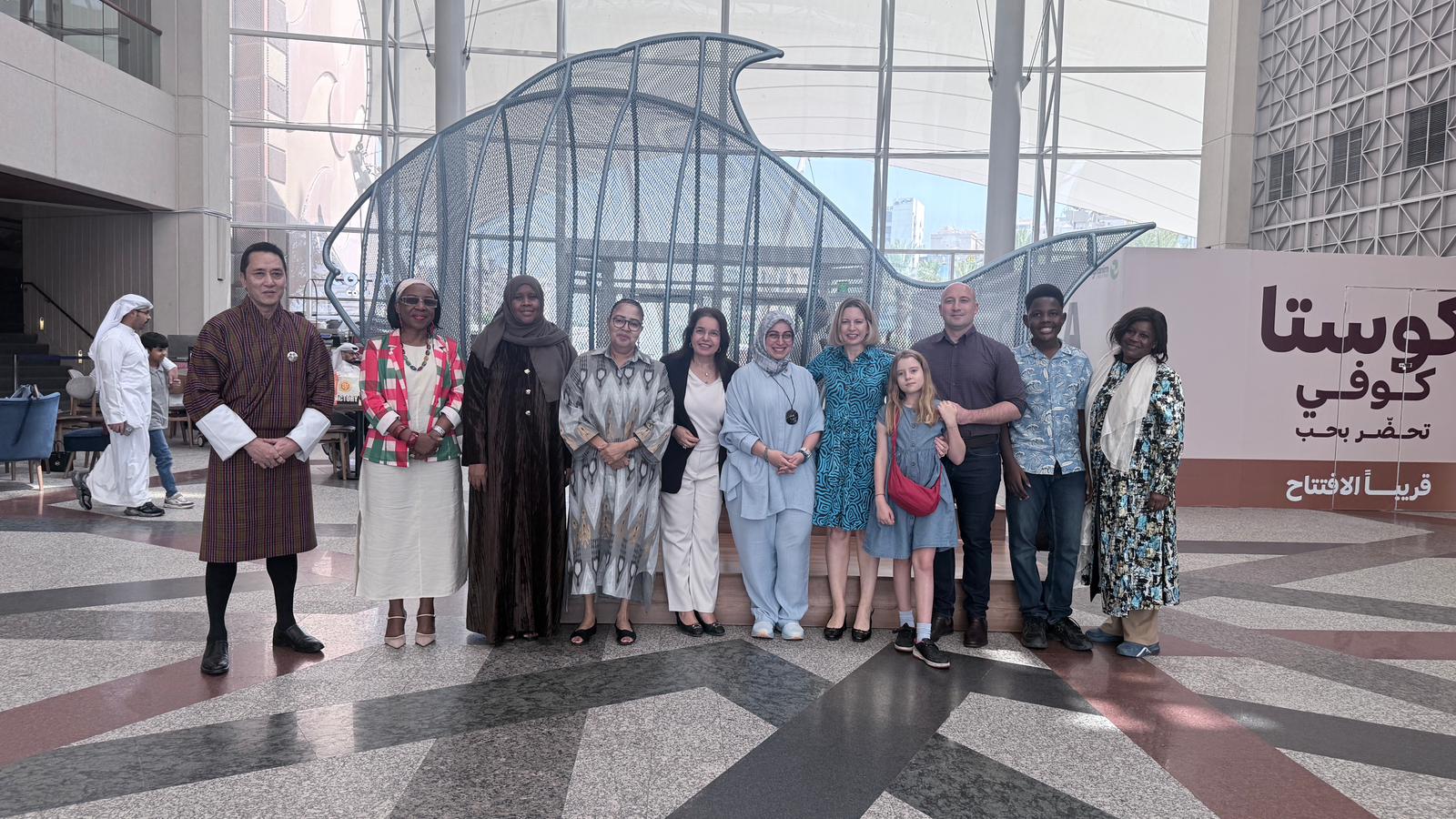
The United Nations Human Settlements Programme (UN-Habitat) concluded on Saturday the fourth edition of the Sustainable Kids Camp 2026 with an exhibition showcasing participants’ projects at the Scientific Center in Salmiya. The camp is part of the educational and community initiatives implemented by the Enviro Scientific and Voluntary Team, affiliated with the UN-Habitat Mission in Kuwait and the Gulf Cooperation Council (GCC) countries.
It aims to promote scientific and environmental awareness among children and develop their skills in sustainability, innovation and the responsible use of resources. The camp’s fourth edition was launched at the Sheikh Abdullah Al-Salem Cultural Centre and adopted a hands-on learning approach through scientific experiments and activities related to reuse, recycling, the circular economy, responsible consumption and resource efficiency.
Its program also included simplified applications in science, engineering, programming, robotics, three-dimensional design and renewable energy, enabling children to move from theoretical learning to the development of practical models and projects. The activities encouraged participants to observe, ask questions, experiment, analyze challenges and develop innovative solutions using simple and readily available materials, while strengthening teamwork, time management and the distribution of responsibilities.
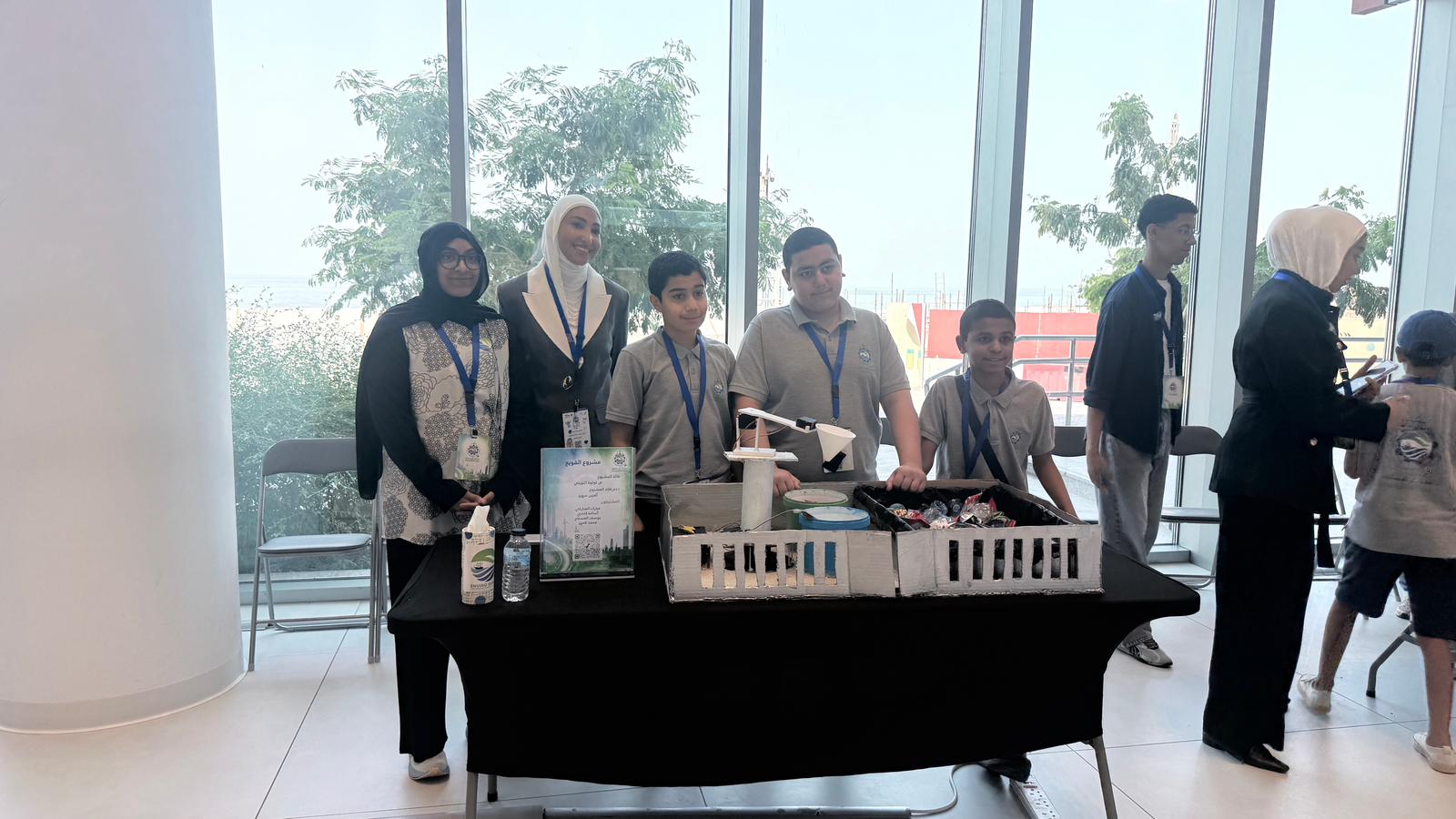
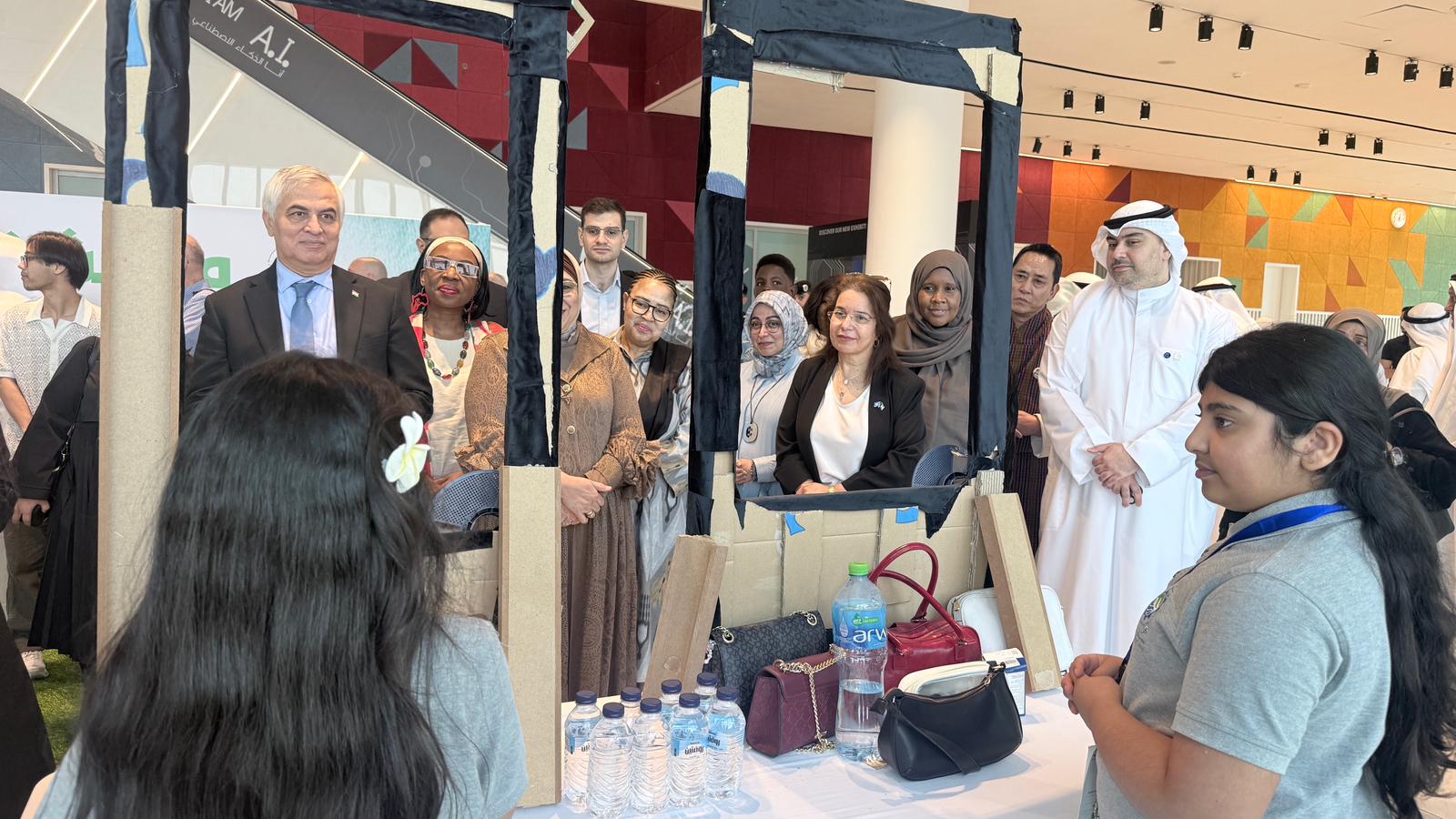
The closing exhibition featured projects developed by the children during the camp, reflecting their ability to apply the knowledge and skills they acquired and to transform used materials into models and ideas related to sustainability and community needs. The initiative was launched in 2023 when the Enviro Team organized its first edition under the title “Little Engineer Camp” at Kuwait University’s College of Architecture, targeting children aged between seven and 11.
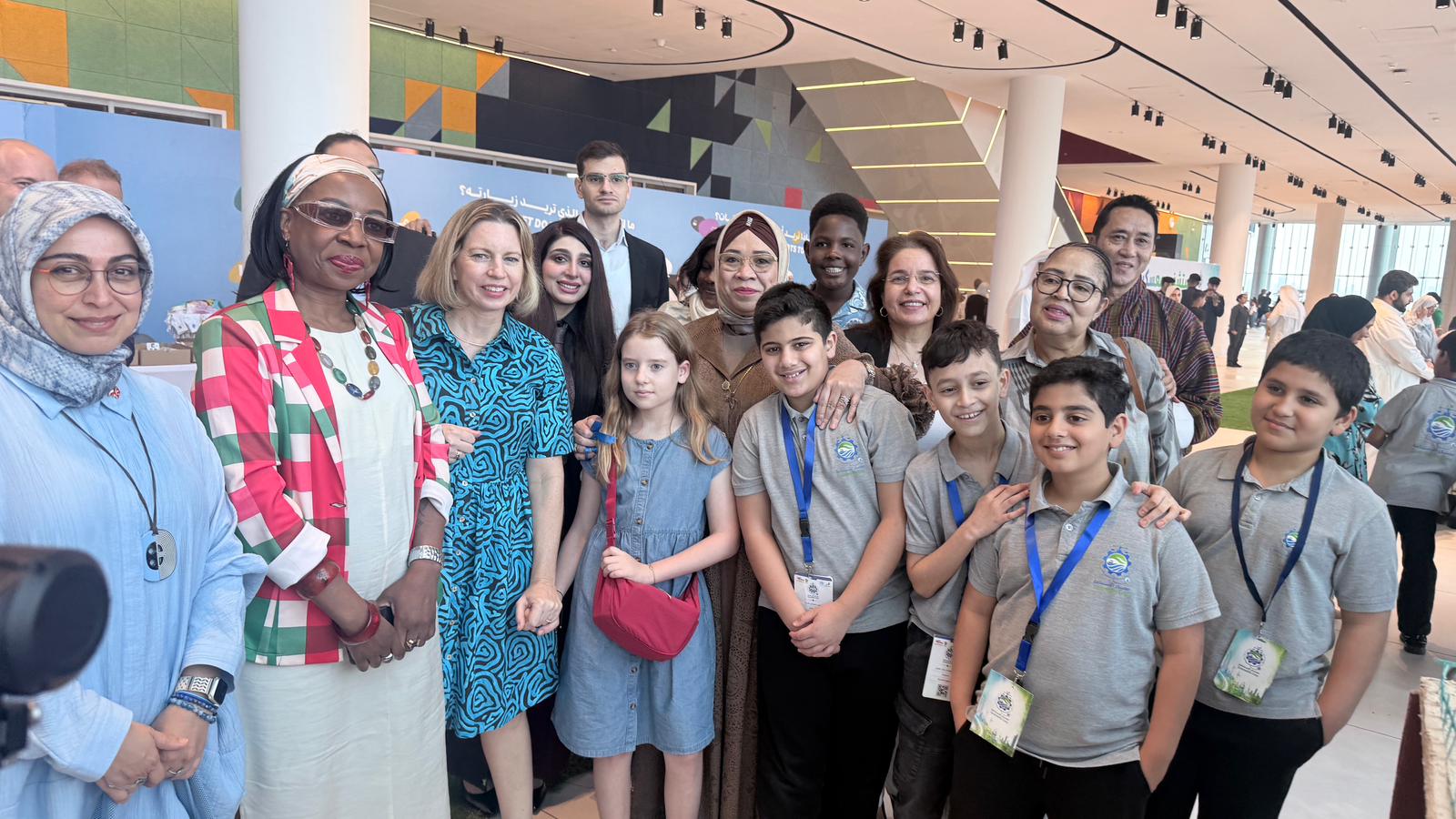
The second edition was held in 2024 under the theme “Towards a Sustainable Community Partnership,” while the third edition, held in 2025 under the theme “Towards a Sustainable Kuwait,” attracted more than 125 children, including over 20 children with disabilities, as part of efforts to promote inclusion and equal access to educational activities. On the occasion, Head of the UN-Habitat Mission in Kuwait and the GCC countries Dr. Ameera Al-Hassan stressed the importance of scientific summer camps and sustainability programs in developing children’s abilities while strengthening the leadership and professional skills of young supervisors and trainers.
In a press statement, Al-Hassan said such camps represent an integrated development platform that goes beyond filling children’s free time during the summer holiday, creating an interactive learning environment that benefits both participating children and the young people responsible for training, supervision and organization. She added that the camp helps translate scientific concepts into practical applications through engineering models, electric circuit assembly, programming and robotics, enhancing children’s critical thinking, analytical and problem-solving skills. Hands-on learning also helps children overcome apprehension toward some scientific subjects and encourages them to ask questions, experiment and consider different approaches to reach the required result, she noted.
Al-Hassan said children also learn that an unsuccessful first attempt should not be viewed as a final failure, but rather as a natural stage in the process of learning, development and innovation. Introducing children to the circular economy, reuse and recycling enables them to understand the value of resources and shifts their thinking from how to dispose of waste to how it can be transformed into useful ideas, models or solutions, she added.
The scientific and exploratory activities also develop teamwork, dialogue and time-management skills, while encouraging children to use technology and digital screens for learning, production and creativity and helping reduce summer learning loss, she said. Regarding the young supervisors and trainers, Al-Hassan said their participation provides practical experience in team leadership, activity and resource management, safety procedures, communication and responding to different situations in the field.
She added that presenting scientific, engineering and environmental concepts to children in a clear and accessible manner strengthens young trainers’ communication, public speaking, emotional intelligence and dialogue-management skills while deepening their own scientific and practical knowledge. The educational relationship between young trainers and children generates mutual benefits, Al-Hassan said, explaining that children gain knowledge and scientific skills, while young people develop their leadership and professional experience through practical engagement in education, volunteer work and project management.
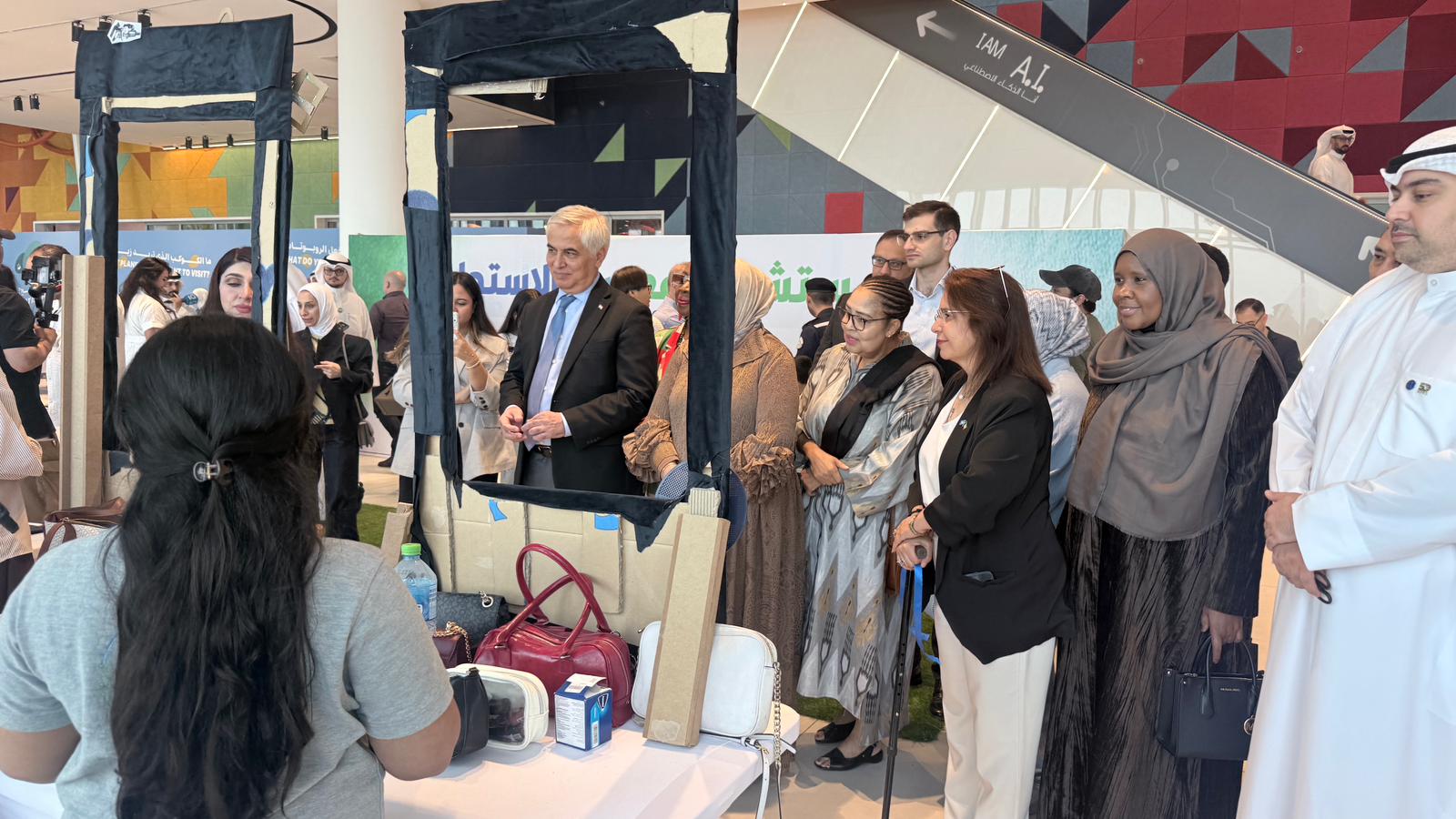
She noted that the projects exhibition was not merely the conclusion of a summer activity, but a demonstration of how participants had moved from receiving information to applying it and transforming available materials and ideas into models with potential for further development. Al-Hassan said such initiatives contribute to the achievement of the Sustainable Development Goals, particularly Goal Four on quality education, Goal 11 on sustainable cities and communities, Goal 12 on responsible consumption and production and Goal 17 on partnerships for the goals.
Investing in children and young people is a long-term investment in the future of cities and communities, she said, adding that a child who learns today how to conserve resources, work within a team and develop innovative solutions will be better equipped to contribute to the development of society in the future. Al-Hassan expressed appreciation to the young volunteers and organizers, as well as the national, scientific and community institutions supporting the camp. Building sustainable cities does not depend solely on infrastructure and technology, she said, but begins with developing environmentally conscious and responsible individuals who are capable of innovation and the efficient use of resources.
— KUNA