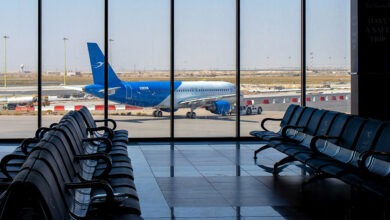
Four of the largest U.S. airlines could face up to $11 billion in additional fuel costs this year, according to a report by the Financial Times, after choosing not to hedge against rising jet fuel prices triggered by the ongoing Iran conflict.
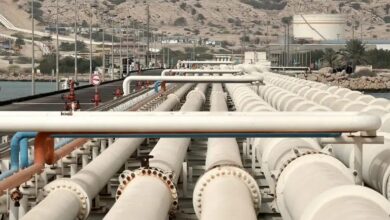
Jet fuel prices in the United States surged nearly 60 percent following the closure of the Strait of Hormuz, reaching $3.95 per gallon late last week, based on the Argus Aircraft Fuel Index, which tracks daily spot prices at major U.S. aviation hubs.
Although prices eased to $3.40 per gallon by Tuesday, the U.S. Energy Information Administration has raised its official forecast for the average jet fuel price in 2026 to $2.67 per gallon, a 37 percent increase from last month’s projection. The revised estimate could translate into about $11.6 billion in additional spending for the four major airlines this year.
The biggest carriers in the U.S. — American Airlines, United Airlines, Delta Air Lines, and Southwest Airlines — would collectively incur around $280 million in extra fuel costs each week if prices remain at current levels. Fuel typically represents about one-quarter of airline operating expenses during normal periods.
Andrew Lubenberg, an aviation analyst at Barclays, said the industry faces major uncertainty about how long prices will remain elevated. Unlike many European airlines, most U.S. carriers abandoned fuel hedging roughly a decade ago, arguing that the long-term costs of the strategy often outweigh its short-term benefits during sudden price spikes.
Southwest Airlines, which pioneered fuel hedging in the industry, ended the practice only last year after paying $157 million in hedge-related costs in 2024. Its chief executive Bob Jordan told investors that the strategy delivered meaningful benefits in only a few years.
Meanwhile, Scott Kirby, CEO of United Airlines, warned that rising fuel costs would have a “tangible” impact on first-quarter earnings and said higher ticket prices would likely follow soon.
American Airlines previously estimated that every one-cent increase in jet fuel prices per gallon adds roughly $50 million to its annual fuel bill, meaning current prices could add more than $1 billion in quarterly costs.
According to Sheila Kahyaoglu, an analyst at Jefferies, the airline is particularly vulnerable because of its weaker financial position compared with rivals.
Analysts also note that low-cost carriers such as Frontier Airlines and Spirit Airlines may face additional pressure, as their price-sensitive customer base is more likely to react to fare increases than passengers on premium or long-haul routes.
Raman Singla, director at Fitch Ratings, said North American airlines remain largely unhedged, leaving them more exposed to near-term fuel price volatility.
By contrast, many European airlines maintain extensive hedging programmes. Wizz Air, Ryanair, and Lufthansa have hedged more than 80 percent of their fuel purchases for the next quarter, while British Airways and Air France have also locked in a significant share of their fuel needs.
At the other end of the spectrum, AirBaltic has hedged only 6 percent of its fuel requirements for the next three months, while Turkish Airlines has covered around 36 percent of its purchases for the year.
Industry expert Dan Akins of Flightpath Economics said airlines can rarely predict price swings accurately. “If airlines could foresee the future, they would have hedged before the start of the year,” he noted. “But if they had hedged continuously over the past decade to save money today, the strategy might not have made financial sense.”