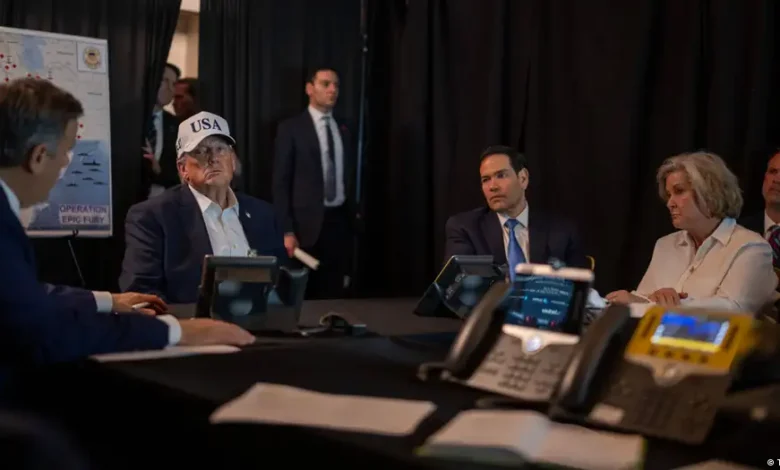
US President Donald Trump said he has agreed to hold talks with Iran’s leadership, signaling a possible diplomatic opening even as fighting between the United States, Israel and Iran continues to escalate following the reported killing of Supreme Leader Ali Khamenei.
Speaking to The Atlantic, Trump said Iranian officials had reached out seeking negotiations. “They want to talk, and I have agreed to talk,” he said, adding that Tehran should have moved sooner to reach an agreement. No timetable for the proposed discussions has been announced.
The diplomatic remarks came as Israel said it carried out extensive strikes deep inside Tehran, targeting military headquarters and strategic facilities.
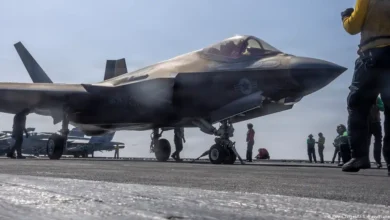
Israeli military officials said more than 100 fighter jets participated in coordinated attacks, warning that no Iranian official involved in military operations would be beyond reach, dw.com reports.
Reports from Iranian media and witnesses also indicated that a hospital in northern Tehran was hit during the strikes, sustaining significant damage and forcing the evacuation of patients. No confirmed casualty figures were immediately released.
Trump meanwhile claimed US forces had destroyed several Iranian naval vessels and severely damaged naval command facilities, describing the dismantling of Iran’s navy as a key objective of the ongoing campaign. The claims have not been independently verified.
The conflict has already resulted in mounting casualties on multiple fronts. The US military confirmed that three American service members were killed during clashes linked to Iran’s response to the strikes.
Iranian President Masoud Pezeshkian said the country has a “legitimate duty and right” to avenge Khamenei’s death, while Foreign Minister Abbas Araghchi declared there would be “no limit” to Iran’s right to self-defence against what Tehran describes as aggression.
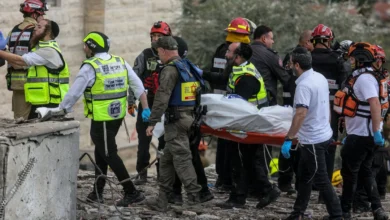
Iranian missile attacks also struck Israel, including a deadly strike on a synagogue in Beit Shemesh that killed nine people and wounded dozens, according to Israeli medical officials.
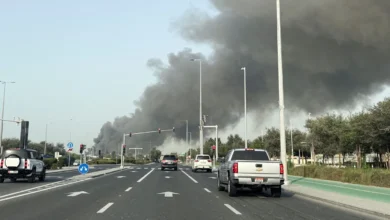
Iran’s Revolutionary Guard Corps reportedly targeted three oil tankers in the Gulf and the Strait of Hormuz, describing them as US- and UK-linked vessels. A shipping operator said one sailor was killed when a projectile struck a tanker off the coast of Oman.
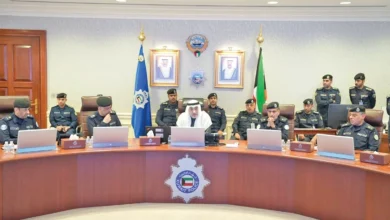
The widening confrontation has triggered growing anxiety across the Middle East, with regional governments increasing security readiness amid fears the conflict could expand further.
In Europe, German Chancellor Friedrich Merz warned that the US-Israeli military operation carries significant risks despite shared concerns about Iran’s military capabilities.
He cautioned that continued escalation could draw more countries into the conflict and questioned whether political change imposed from outside Iran would succeed.
Public opinion in the United States also appears divided. A Reuters/Ipsos poll found only about one in four Americans support the military operation, while a majority believe Trump is too willing to use force to advance US interests.
With senior Iranian military leaders reportedly killed, retaliatory strikes continuing across the region and diplomacy only tentatively emerging, the situation remains volatile.
While Trump’s willingness to engage in talks raises the prospect of negotiations, ongoing military operations suggest that any diplomatic breakthrough remains uncertain as the crisis enters a dangerous new phase.