Promoting Sustainable, Resilient Tourism Furthers Vision 2035
The Times Kuwait Report
Tourism is a major driver of economic growth, inclusive development, and environmental sustainability, and in several developing countries it is one of main sources of income, foreign currency earnings, tax revenue and employment. Overall tourism serves as a catalyst for economic and social transformation, as well as helps develop resilience and sustainability in local communities, bringing about shared progress for all.
Considering the overwhelming importance of tourism to socio-economic development of nations—as well as its vulnerability to uncertainties brought on by geopolitical turmoils, economic turbulence, health hazards and climate change repercussions—it is vital to invest in building a more durable tourism sector. In this regard, governments, policymakers and other stakeholders need to devise and implement strategies and processes that foster a sustainable, adaptable, and crisis-resistant tourism sector capable of withstanding upheavals.
Sustainable and resilient tourism can be an effective strategic tool that governments can wield to generate sustained and inclusive economic growth, social development, and quality of life. It enables the formalization of the informal sector, promotes domestic resource mobilization, creates productive employment opportunities, and spurs environmental responsibility and biodiversity conservation.
On the economic side, tourism supports economic diversification, acts as a major source of foreign exchange, stimulates GDP growth, and widens financial inclusion. It promotes public-private partnerships, attracts investment and entrepreneurship,. creates jobs that often require limited initial investment, which allows more people to benefit from local economic cycles.
Additionally, promotion of sustainable tourism empowers women, young people, and those differently abled, as well as forms a source of income and livelihood for local communities and indigenous populations in rural settings. Sustained, resilient tourism also helps eradicate poverty, improves education, and enhances health facilities in local and remote areas. Tourism also helps maintain, celebrate, and preserve cultural heritage, traditions, and indigenous practices.
Kuwait has in recent years emphasized the development of a sustainable and resilient tourism sector as part of the country’s economic diversification drive and its Vision 2035 goal of transforming Kuwait into a regional financial, trade, and cultural hub. In line with the efforts to foster sustainable and resilient tourism, the government has been highlighting the country’s cultural and heritage destinations for tourists.
Underlining Kuwait’s sustainable tourism-oriented approach, Secretary-General of the National Council for Culture, Arts and Letters (NCCAL) Dr. Mohammed Al-Jassar recently stated that Kuwait is working on a program to protect and preserve its archeological sites and historical architecture, with the goal of turning them into attractive cultural tourism destinations.
He pointed out that by leveraging innovative techniques and implementing forward-thinking strategies, Kuwait plans to develop its cultural and heritage sites properly, sustainably, and to high international standards. He added that this would enable their registration on the World Heritage List and allow the locations to find their place among global heritage sites, thereby promoting sustainable cultural and tourism returns for the country.
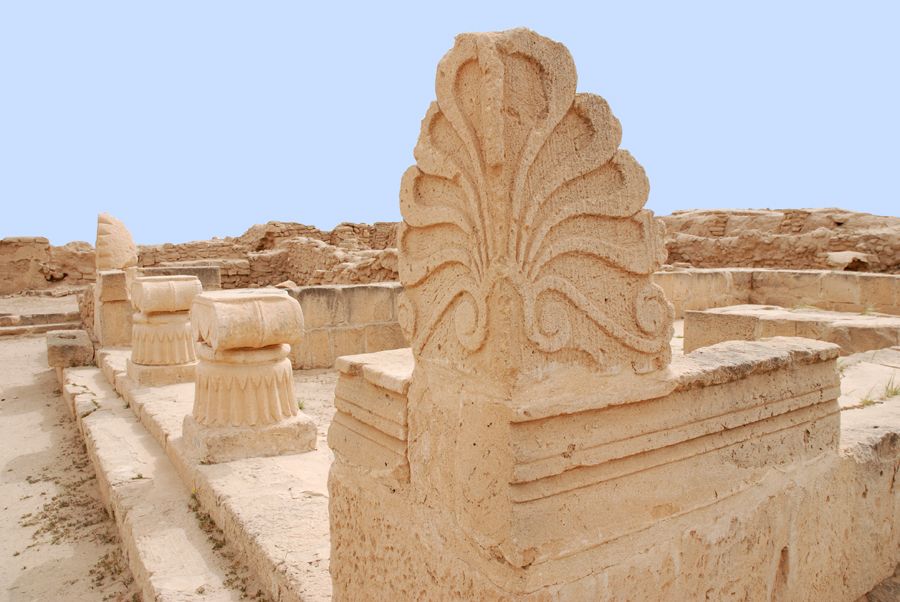
A major potential destination on any Kuwaiti cultural circuit is Failaka Island, home to one of the oldest cultural heritages in the country. The Island traces its history back to the early Islamic period in the 7th-century CE, and even further back to the Hellenistic period in the third century BCE. Newer excavations and the unearthing of older artefacts and building foundations have pushed the date of the Island’s occupancy much earlier to the Dilmun civilization, more than 4,000 years ago.
Even more deep-rooted crucial evidence of human activity that date back to the Neolithic (6th millennium BC) and Early Bronze Age (3rd–2nd millennium BC) have been revealed through archaeological excavations in the Al-Sabahiya region of northern Kuwait. International excavation teams working in collaboration with NCCAL, have found extensive evidence of human settlements in the area, including Ubaid-era relics, tumuli burial fields, and cultic structures that suggest a complex society forming a cultural bridge between Mesopotamia and the Arabian Gulf.
In a further boost to the country’s sustainable tourism credentials, Kuwait last week hosted the 52nd meeting of the annual UN Tourism Organization’s Regional Commission for the Middle East. The meeting brought together ministers and heads of delegation from the 13 member-states to discuss strategic priorities for regional tourism development.
In a statement on the occasion, Minister of State for Communications and Information Technology and Acting Minister of Information and Culture, Omar Al-Omar, indicated that the meeting aimed to synchronize member state efforts toward sustainable tourism, aligning with global economic shifts to diversify national income sources, and balance economic growth with resource conservation.
On the sidelines of the meeting, a conference on ‘Enhancing Tourism through Artificial Intelligence’, highlighted the need to integrate emerging technologies to modernize service delivery, boost efficiency, improve safety, and support environmental sustainability, while fostering innovation across the Middle East tourism landscape.
The Middle East is one of the fastest-growing tourism regions of the world, with tourism helping countries diversify their economies, create jobs and support private-sector growth. Tourism is also a leading driver of equality and opportunity across the region, as it is a leading employer of women and youth, and a pillar of sustainable development, particularly for rural communities and indigenous populations.
The UN Tourism Organization’s Regional Commission for the Middle East, headquartered in Riyadh, Saudi Arabia, fosters sustainable, innovative tourism across its member states. It coordinates regional policies, harmonizes travel protocols, and drives economic growth. The commission focuses on developing unified protocols for safe travel, promoting digital solutions for travelers, and strengthening the tourism sector’s contribution to regional GDPs.
Latest figures from the UN Tourism, which publishes the ‘World Tourism Barometer’ shows that the Middle East recorded three percent growth in 2025, the strongest results relative to 2019, with the region reaching close to the milestone mark of 100 million international visitors in 2025. Other figures from the Tourism Barometer confirm a resilient global tourism sector on an upward trajectory.
International tourist arrivals grew by 4 percent in 2025, with an estimated 1.52 billion international tourist visits recorded globally in 2025, almost 60 million more than in 2024. Total tourism export revenues topped a record US$2.2 trillion in 2025, with $1.9 billion in international tourism receipts and $0.3 trillion from passenger transport, with many destinations recording a higher increase in receipts than in arrivals.
Continued consumer demand, enhanced air connectivity, and growing outbound travel from emerging markets, is expected to raise global travel in 2026 by 3 to 4 percent compared to 2025. However, this projection is conditional on sustained recovery in Asia and the Pacific, favorable global economic conditions, and reduction in geopolitical conflicts.
Developing a unique sustainable and resilient tourism model positions Kuwait to attract this potential increase in international visits. Sustainable tourism also supports the government’s economic diversification plan, drives infrastructure development, provides gainful employment opportunities for youth, and encourages domestic and international investments. It also fosters environmental sustainability, develops socio-cultural exchanges, and helps promote global peace.
However, for the holistic development of tourism, Kuwait needs an effective, independent, dedicated or specialized tourism authority, mandated to develop and implement integrated and comprehensive strategies and policies. The authority could streamline services, promote Kuwait as an attractive destination for international travelers, and attract foreign investments, as well as regularly evaluate and update services and policies to keep them in line with international norms and trends.
More than being a division under the Ministry of Information, or providing a digital portal of tourism services, only an independent authority can provide the focused and empowered leadership needed to transform the tourism sector in Kuwait into a sustainable and resilient industry capable of driving economic and social progress in alignment with Vision 2035.