Politics cloud 2026 World Cup as Europe weighs boycott over US tensions
. . . as European discontent with Trump gains momentum. Football leaders in countries such as Spain and Norway, which have previously taken strong positions on human rights issues, stress that no nation should act alone. If a boycott is to happen, they argue, it must be collective — and only as a last resort.
- From football to foreign policy, Europe is increasingly debating whether to boycott the 2026 World Cup, as politics and sport collide on the global stage.
- Tensions with the United States under President Donald Trump — including tariffs, Greenland-related disputes, and broader diplomatic unease — have put European governments, football associations, and fans on edge.
- As calls for a boycott grow, questions arise about whether the world’s most popular tournament could be shaped as much by geopolitics as by goals and glory.
- With potential walkouts, rising public pressure, and concerns over FIFA’s political neutrality, the 2026 World Cup risks becoming a divided field where politics loom as large as the pitch itself.
- Will Europe walk away? Or will the continent find a way to navigate these tensions without sacrificing sport? The tournament may well become a political battleground, testing the delicate balance between diplomacy, trade, and the beautiful game.
Politics are once again overshadowing preparations for a men’s football World Cup, with growing debate in Europe over whether tensions with the United States under President Donald Trump could trigger a boycott of the 2026 tournament in North America.
Relations between European governments and Washington have been strained by Trump’s rhetoric and policies, particularly comments and trade measures linked to Greenland, a semiautonomous Danish territory. While Trump has said he does not intend to annex Greenland by force, his contradictory statements have fueled unease across Europe.
The issue has spilled into football, with politicians, fans and some officials questioning whether participation in the World Cup would be appropriate if political tensions escalate. Denmark, which includes Greenland within the kingdom, has stopped short of calling for a boycott, but senior politicians say the option could be reconsidered if the situation deteriorates, dw.com reports.
Similar concerns have emerged in Germany, where lawmakers have warned that a boycott could be justified not only by military action, but also by trade disputes between the US and the European Union. Germany’s government has said, however, that such decisions rest with football authorities rather than politicians.
Reports suggest UEFA has already discussed the issue internally, particularly after the US imposed 10 percent tariffs on several European countries. Many of those affected — including Germany, France, the Netherlands, Norway and the UK — have either qualified for the World Cup or remain in contention.
Public pressure is also mounting. In the Netherlands, a petition calling for a boycott has attracted more than 135,000 signatures, reflecting frustration among fans who argue that politics are already influencing sport and that neutrality is no longer credible.
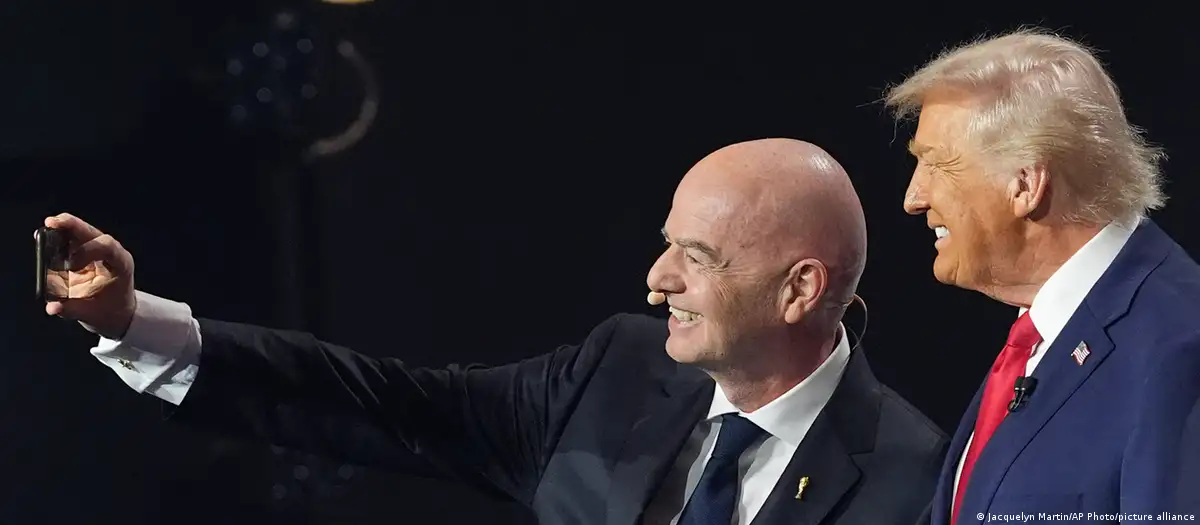
Critics have also pointed to FIFA President Gianni Infantino’s close relationship with Trump, saying it undermines FIFA’s claims of political neutrality. Concerns were amplified after FIFA awarded Trump a newly created “peace prize,” prompting fears the tournament could be used for political messaging.
While many governments and football associations remain cautious, upcoming deadlines could prove decisive. New US tariffs are due to take effect in early February unless a NATO framework deal is finalized, shortly before UEFA’s executive committee meets in Brussels.
Any boycott effort would require coordination. Europe supplies 16 of the 48 World Cup teams and dominates the global club game, meaning a united stance would carry significant weight and could influence other regions.
Football leaders in countries such as Spain and Norway, which have previously taken strong positions on human rights issues, stress that no nation should act alone. If a boycott is to happen, they argue, it must be collective — and only as a last resort.