Perimenopause is a natural stage in a woman’s life that usually starts in the late 40s. It is the time when hormones, especially estrogen and progesterone, begin to fluctuate. These changes can affect how women in this stage of life experience feelings, their moods and sleep patterns, their digestion, weight, and even their energy levels.
One of the most common concerns during perimenopause is weight gain, especially around the belly. This happens because metabolism slows down and insulin sensitivity may change. Instead of eating less, focus on eating smarter. The good news is that the right nutrition can make the perimenopause phase much easier to manage.
Below are a few suggestions on how to go about ensuring the right nutrition:
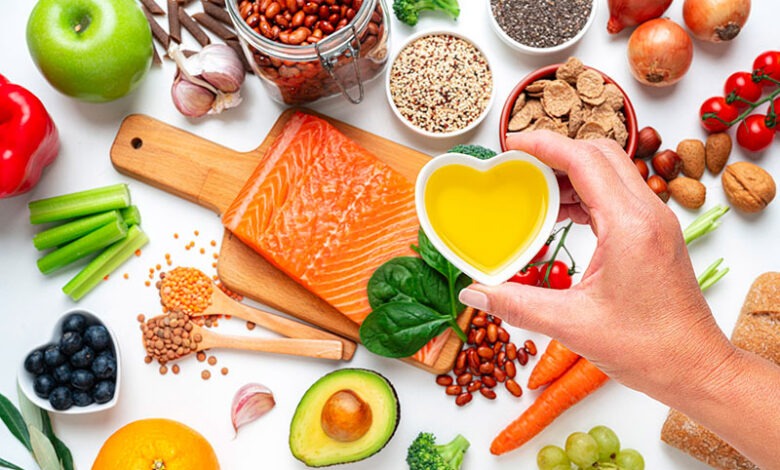
Prioritize balanced meals that include protein, healthy fats, and fiber. Protein is especially important, it helps preserve muscle mass, supports metabolism, and keeps you full for longer. Include foods like eggs, fish, chicken, legumes, yogurt, and nuts daily.
Hormonal changes can also affect blood sugar levels, leading to energy crashes and cravings. Choosing complex carbohydrates such as oats, whole grains, vegetables, and fruits helps keep blood sugar stable and reduces mood swings and fatigue.
Avoid excessive refined sugar and ultra-processed foods, as they can worsen symptoms like irritability and bloating.
Calcium and vitamin D become crucial during perimenopause to protect bone health, as estrogen levels decline. Include dairy products, fortified plant milks, leafy greens, sesame seeds, and almonds. Regular sunlight exposure and, if needed, supplementation can help maintain healthy vitamin D levels.
Many women experience hot flashes, poor sleep, and anxiety during this phase. Magnesium-rich foods like dark chocolate, seeds, nuts, and leafy greens may support relaxation and sleep quality. Omega-3 fatty acids, found in fatty fish, walnuts, and flaxseeds, help reduce inflammation and support brain and heart health.
Finally, do not underestimate the power of hydration and lifestyle habits. Drinking enough water helps reduce bloating and fatigue. Regular movement, stress management, and good sleep work hand in hand with nutrition.
Perimenopause is not something to ‘fight’. With the right food choices and self-care, it can be a powerful time to reconnect with your body and support it with kindness and nourishment.
To subscribe to my diet programs,
don’t forget to log in to:
www.eatlikemira.com.