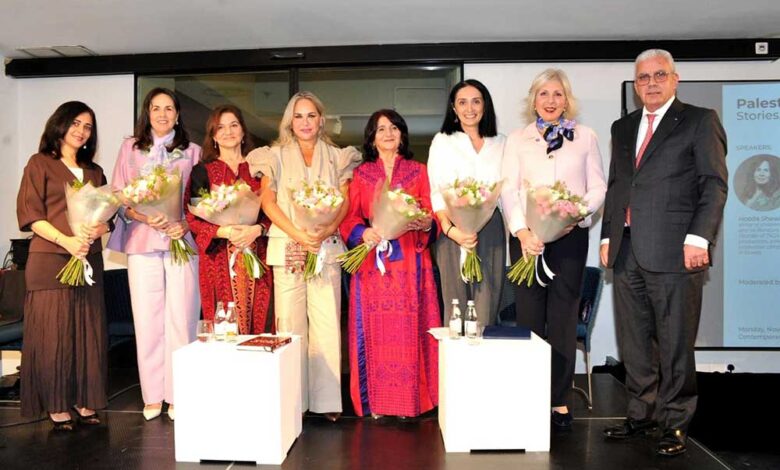
The Embassy of the State of Palestine in Kuwait, in collaboration with the Contemporary Art Platform (CAP), hosted a panel discussion on Monday evening, November 2, marking the National Day of Palestinian Women and honouring renowned Palestinian artist Suleiman Mansour.
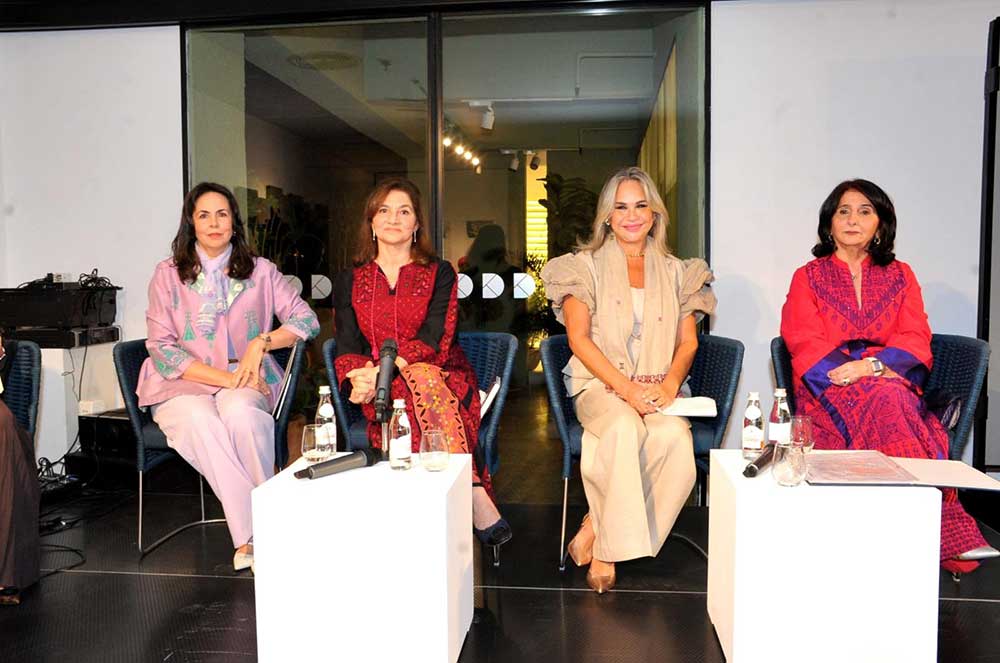
The event brought together distinguished Palestinian women living in Kuwait, alongside a Kuwaiti participant, to discuss ways of preserving Palestinian identity and heritage. The panel featured Hooda Shawa, Lamies Al-Shakhsheer, Faten Abu Ghazaleh and Sawsan Daana.
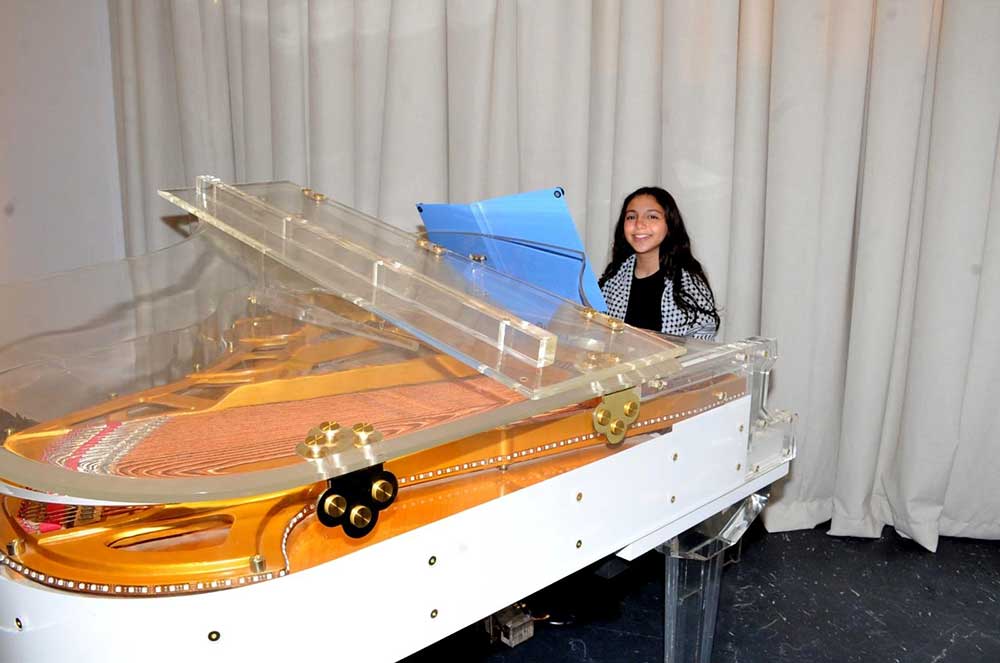
The programme opened with a piano performance by young musician Taya Muath Al-Shanaq, who performed ‘Zahrat Al-Mada’en’ (Flower of the Cities), famously sung by Fairuz. The performance was followed by a documentary highlighting inspiring success stories of Palestinian women living in the occupied Palestinian territories.
Moderated by Reem Shurrab, Media and Communications Officer at the Palestinian Embassy, the discussion explored the role of culture, education, heritage and traditional cuisine in preserving Palestinian identity and safeguarding its national narrative.
Hooda Shawa, a children’s and young adult literature writer and founder of TAQA Productions, a theatre production company in Kuwait, spoke about her two-decade journey in Arabic children’s literature. She explained that her decision to write in Arabic was inspired by noticing that her two daughters’ schoolbooks and reading materials were predominantly in English.
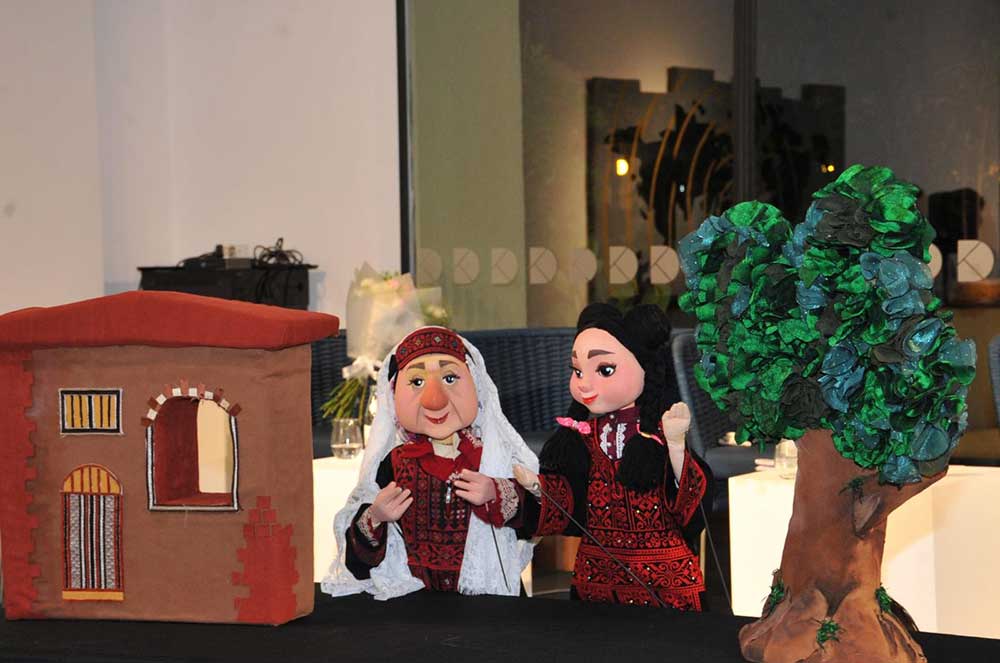
During the event, Shawa read from her new book, My Grandmother’s Key, which highlights the role of grandmothers as custodians of Palestinian memory. She also presented a musical performance featuring puppets. Shawa has received several awards for her contributions to children’s literature.
Faten Abu Ghazaleh of the Palestinian Heritage Centre highlighted the efforts of her late mother, Siham Abu Ghazaleh, and other Palestinian women in establishing the centre and the General Union of Palestinian Women. She spoke about their efforts to preserve and promote Palestinian heritage, particularly traditional embroidery, which remains a central expression of Palestinian identity.
She noted that Palestinian embroidery has been featured in more than 60 exhibitions over the years. She also highlighted UNESCO’s 2021 inscription of the art of Palestinian embroidery on its Representative List of the Intangible Cultural Heritage of Humanity, an important step towards safeguarding the tradition.
Chef Sawsan Daana, founder of Matbakhi, which specialises in traditional Palestinian cuisine, emphasised the importance of food as an integral part of Palestinian cultural identity. She stressed the need to preserve traditional Palestinian recipes and culinary heritage by sharing them through digital platforms and introducing international audiences to the richness of Palestinian cuisine.
Veteran educator and music teacher Lamies Al-Shakhsheer highlighted education as one of the most powerful tools for the Palestinian people. She noted that Palestinians have achieved distinction in education and academic fields, contributing to the development of educational systems in various societies. She also underscored the importance of music as an essential component of cultural and educational development.
Concluding the event, Palestinian Ambassador to Kuwait Rami Tahboub thanked the pianist and participating women for their valuable contributions, noting that their insights had enriched the audience’s understanding of Palestinian identity and its national narrative.
The ambassador presented bouquets of flowers to the participants in recognition of their contributions. He also expressed gratitude to Kuwait, His Highness the Amir, the Kuwaiti government and people for their continued support for the Palestinian people and their national cause.
Tahboub also thanked the Contemporary Art Platform, represented by Amer Al-Hunaidi and Ofelia Vardanyan, for its collaboration in organizing the event.
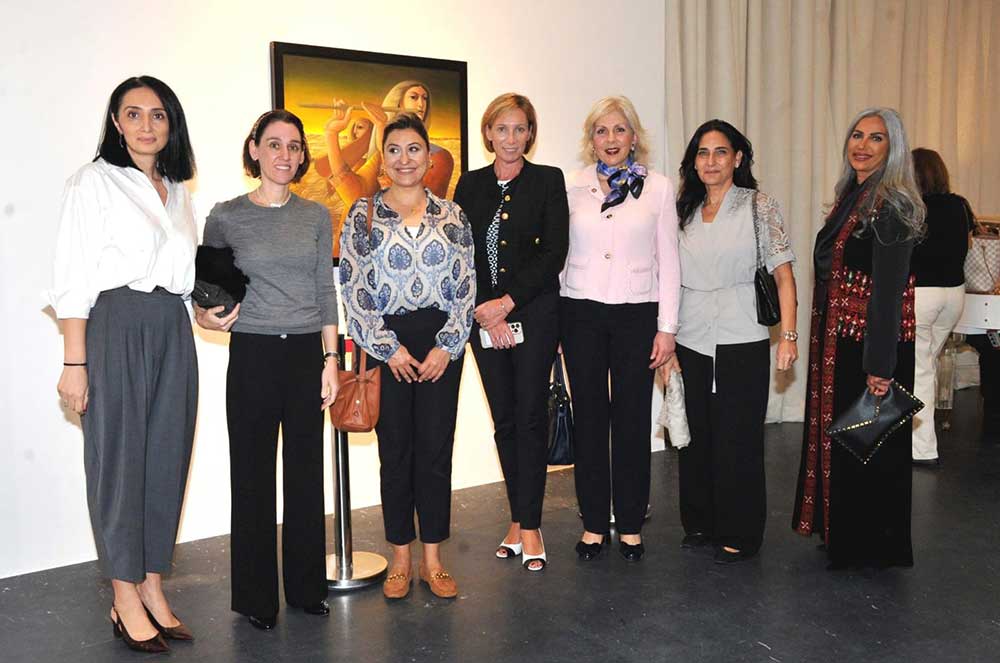
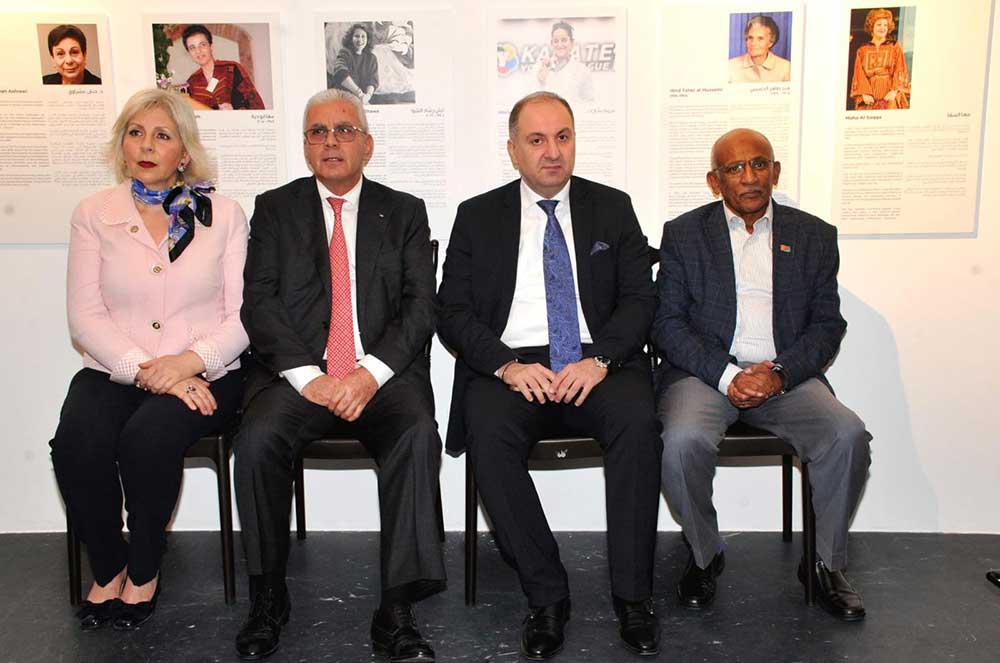
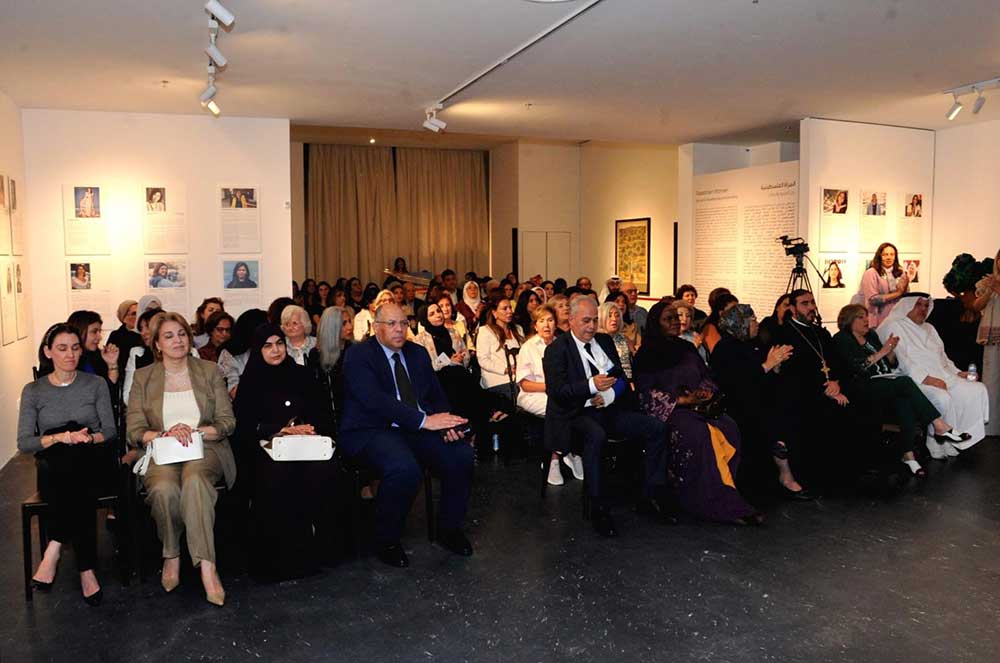
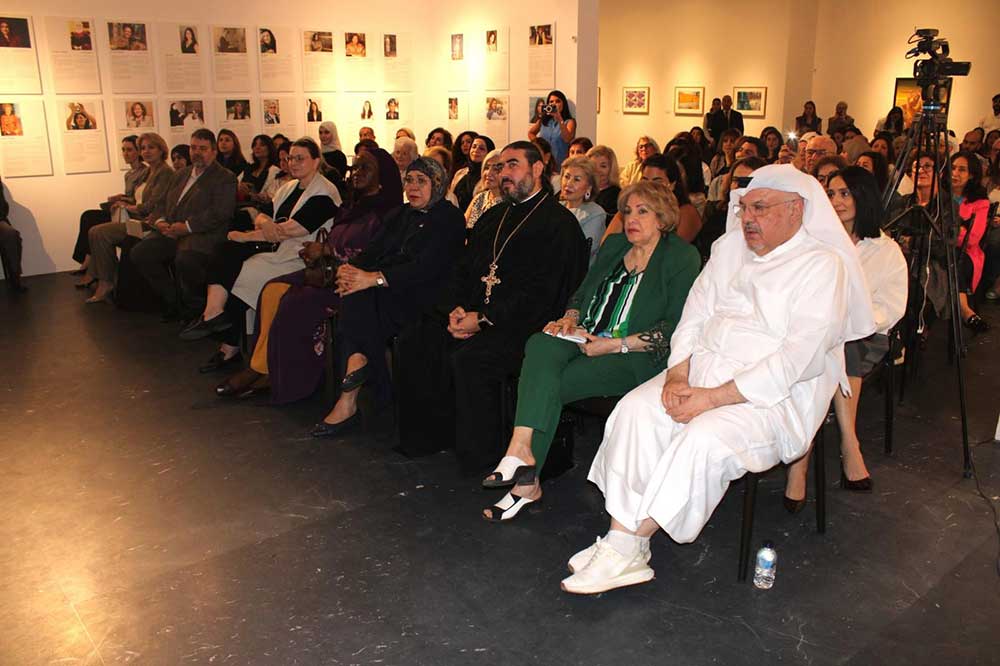
Several Arab and foreign ambassadors and diplomats accredited to Kuwait attended the discussion, alongside members of the Palestinian, Arab and international communities and Kuwaiti guests.