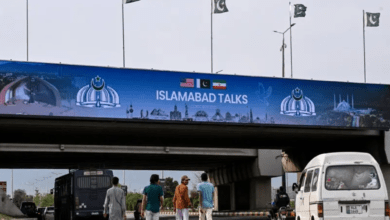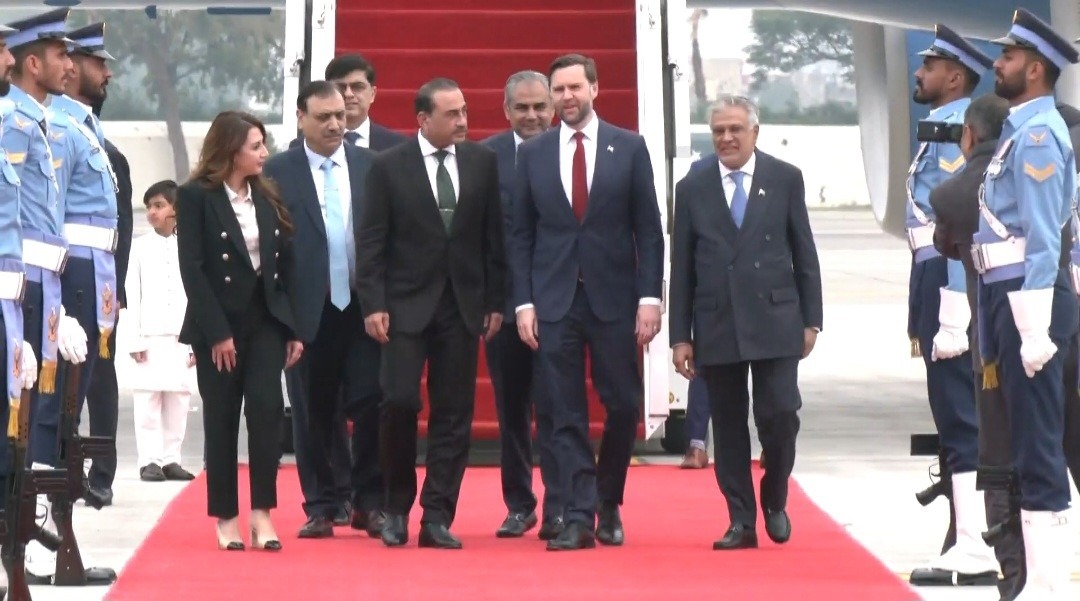
As tensions between the United States and Iran continue to reverberate across the Middle East, Pakistan has emerged as an unexpected, yet strategically positioned, diplomatic intermediary.
Islamabad’s role as a potential bridge between the two adversaries reflects a convergence of geography, history, and national interest, underscoring its growing relevance in global crisis management.
Pakistan’s ability to engage both sides stems largely from its balanced foreign policy. On one hand, it shares deep-rooted ties with Iran. Tehran was among the first capitals to recognize Pakistan following its independence in 1947, and the two countries have maintained a complex but enduring relationship ever since.
Their 900-kilometer shared border and cultural links, despite sectarian differences between predominantly Sunni Pakistan and Shia-majority Iran, have reinforced steady diplomatic engagement over decades.
At the same time, Pakistan maintains a longstanding, albeit sometimes turbulent, partnership with the United States. Designated a major non-NATO ally, Islamabad has played a pivotal role in Washington’s regional strategies, particularly in Afghanistan.
Despite periods of strain, high-level political and military channels between the two countries remain active, enabling Pakistan to retain credibility in Washington.
Beyond diplomatic balancing, Pakistan’s mediation efforts are also driven by pressing economic realities. The country is heavily reliant on energy imports from Gulf states, a region directly impacted by escalating hostilities involving Iran.
Disruptions in oil supply routes, particularly through the Strait of Hormuz, have already triggered a sharp rise in fuel prices within Pakistan, intensifying economic pressures on the government of Prime Minister Shehbaz Sharif.
Islamabad’s current positioning is also consistent with its historical role in facilitating dialogue during major geopolitical crises. In 1972, Pakistan played a quiet but crucial role in arranging U.S. President Richard Nixon’s landmark visit to China, which ultimately led to the normalization of relations between Washington and Beijing.
It later contributed to the 1988 Geneva Accords that paved the way for the Soviet withdrawal from Afghanistan, and more recently supported backchannel contacts between the United States and the Taliban, culminating in negotiations that ended America’s longest war.
Against this backdrop, Pakistan’s re-emergence as a diplomatic go-between is less a surprise than a reflection of its enduring strategic relevance.
As global tensions threaten to widen, Islamabad’s ability to maintain open channels with competing powers may once again position it as a key player in efforts to de-escalate conflict and restore stability.