New statistics reveal sharp residential divide in Kuwait’s population distribution
. . . as Kuwaitis continue to favor private residential areas as presence in high-density districts remains limited
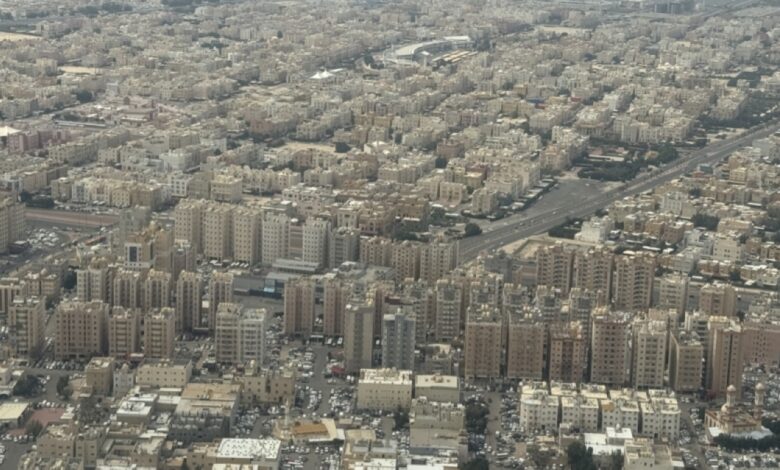
Official data released by the Public Authority for Civil Information shows Kuwaitis continue to show a clear preference for living in private residential neighborhoods rather than investment and high-density areas, where their presence in some districts does not exceed 1 percent.
The statistics highlight a continued demographic divide between citizen-dominated residential zones and expatriate-heavy urban and investment areas, reflecting long-standing housing patterns across the country.
According to the data, Mubarak Al-Kabeer Governorate records the highest proportion of Kuwaiti residents, accounting for 55 percent of the governorate’s total population, reports Al-Rai daily.
Kuwaiti citizens are mainly distributed across five key areas, led by Sabah Al-Salem, where Kuwaitis form nearly half of the population, totaling about 107,900 residents.
Other areas with strong citizen presence include Mubarak Al-Kabeer, Al-Adan, Al-Qusour, and surrounding residential districts, each recording Kuwaiti population shares exceeding 60 percent in some locations.
The Capital Governorate follows, with Kuwaitis representing 47 percent of its residents. Jaber Al-Ahmad City records one of the highest citizen concentrations, with Kuwaitis making up 58 percent of its population, followed by Al-Rawda with the same percentage.
High citizen representation is also seen in Surra, Qortuba, and Sulaibikhat, where Kuwaitis account for between 46 and 55 percent of residents.
Al-Jahra Governorate ranks third, with citizens forming 34 percent of its population. Saad Al-Abdullah leads locally with a Kuwaiti majority of 52 percent, while the percentage drops sharply in areas such as Taima and Al-Sulaibiya, where citizens represent only about 6 percent.
In Al-Ahmadi Governorate, Kuwaitis account for 28 percent overall. Umm Al-Hayman and Al-Sabahiya record strong citizen presence exceeding 50 percent, while investment areas such as Mahboula show extremely limited Kuwaiti residency at around 1 percent.
Hawalli Governorate ranks fifth, with citizens making up 22 percent of residents. Rumaithiya records the highest citizen concentration at 56 percent, followed by Salwa and Jabriya. However, Kuwaitis represent only 1 percent of residents in Hawalli and just 2 percent in Salmiya.
Al-Farwaniya Governorate comes last in citizen concentration at 20 percent. Abdullah Al-Mubarak leads locally with 58 percent Kuwaiti residents, followed by Al-Firdous at 52 percent, while densely populated areas such as Khaitan and Jleeb Al-Shuyoukh record only about 6 percent.
The data also confirms that Kuwait’s most densely populated districts remain largely expatriate-dominated. Salmiya continues to rank as the country’s most populated area in 2025, with more than 351,000 residents, followed by Farwaniya, Jleeb Al-Shuyoukh, Hawalli, and Mahboula.
Despite their large populations, these areas record very low Kuwaiti residency rates, reinforcing the trend of citizens concentrating in private residential zones while investment areas accommodate the majority of the expatriate workforce.
The figures underline ongoing demographic and urban planning dynamics in Kuwait, where housing policies and development patterns continue to shape population distribution across governorates.