Mine-free world is a humanitarian duty, not just a treaty obligation, says Kuwait
Adherence to the Ottawa Treaty is a profound humanitarian and ethical responsibility, shaped by the country’s painful experience with extensive mine contamination following the 1990–1991 Gulf War -- Colonel Al-Otaibi
Kuwait reaffirmed its steadfast commitment to global efforts aimed at eliminating anti-personnel mines and achieving a world free of their dangers.
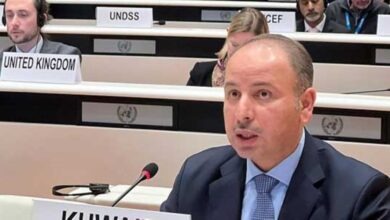
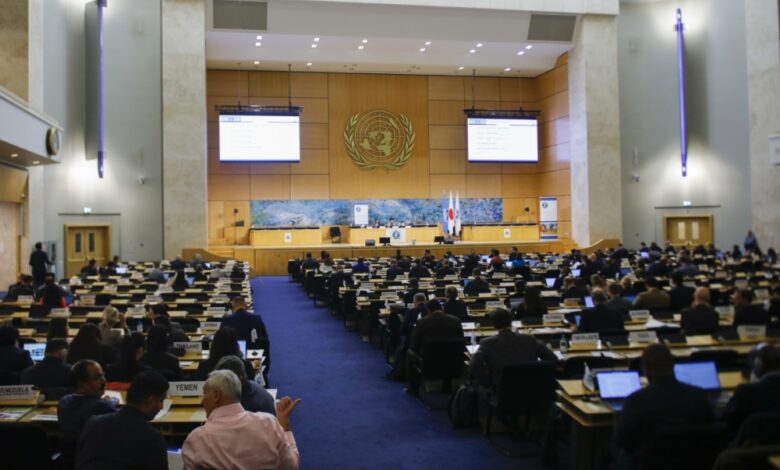
The statement came during remarks delivered by Colonel Munawer Al-Otaibi, head of the Kuwaiti Ministry of Defense delegation, at the Meeting of States Parties to the Anti-Personnel Mine Ban Convention held at the United Nations in Geneva.
Colonel Al-Otaibi emphasized that Kuwait’s adherence to the Ottawa Treaty is not merely a legal obligation but a profound humanitarian and ethical responsibility, shaped by the country’s painful experience with extensive mine contamination following the 1990–1991 Gulf War, reports Al-Jarida daily.
He noted that Kuwait has fulfilled all its obligations since joining the treaty on July 31, 2007, including the complete destruction of its national stockpile. A total of 91,432 anti-personnel mines were eliminated by December 2008, well within the treaty’s mandated four-year deadline.
Al-Otaibi highlighted Kuwait’s substantial progress in clearing contaminated areas, reporting that more than 90 percent of mine-affected lands had been cleared by 2023—an achievement he described as “one of the largest and most demanding national efforts in modern history.”
He praised the heroic work of the Kuwaiti Army’s Explosive Ordnance Disposal (EOD) units, whose meticulous surveys and clearance operations—carried out in cooperation with international partners—helped reclaim vast areas of land once rendered hazardous by widespread mines contamination.
Specialized military teams disposed of more than one million anti-personnel mines and handled nearly 40,000 reports of unexploded ordnance, including shells, artillery remnants, cluster munitions, and other explosive devices. These efforts played a crucial role in restoring lands for safe civilian use and supporting development and infrastructure projects.
Colonel Al-Otaibi also underscored Kuwait’s longstanding commitment to supporting victims of mines and explosive remnants of war, through legislative measures and government and civil-society programs that provide medical care, psychological rehabilitation, and social and economic support. He recalled that more than 1,700 people were injured during the post-invasion contamination period, including over 658 fatalities.
He further noted Kuwait’s active international role in financing and supporting mine-action initiatives in several countries, driven by the belief that the danger of mines transcends borders.
Al-Otaibi concluded by reaffirming Kuwait’s dedication to humanitarian diplomacy and its commitment to working with international partners and organizations to advance global mine-elimination efforts.
Colonel Al-Otaibi is heading the Ministry of Defense delegation, which includes Lieutenant Colonel Nawaf Al-Ali, Lieutenant Colonel Abdullah Al-Ajmi, and Major Abdulaziz Abdulmalik.