A historic diplomatic confrontation unfolded in Beirut as Lebanon’s government, led by Prime Minister Nawaf Salam, announced Beirut’s decision to withdraw Hezbollah’s weapons by year’s end — a move aligned with a U.S.-backed plan supported internationally and by Arab states.
The announcement triggered a sharp exchange with visiting Iranian official Ali Larijani, setting the stage for one of the most direct public disputes between the two countries in years.
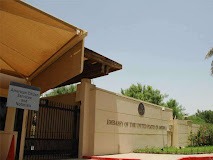
Arriving from Baghdad, Larijani was met with an elaborate reception organized by Iran’s embassy in Beirut. But the warmth outside contrasted with the tense meetings inside, according to news reports.
President Joseph Aoun delivered what observers described as an unusually blunt message to the Iranian guest, rejecting any foreign interference and stressing Lebanon’s sovereign right to decide its security and political course.
“We reject any interference in our internal affairs,” Aoun said, emphasizing that no group in Lebanon should carry arms outside the authority of the state.
The president framed the disarmament plan as a matter of national unity, warning against repeating the country’s history of factions seeking external backing against fellow citizens.
Larijani, speaking alongside Lebanese officials, rejected the idea of a weapons timetable, calling it “an American paper” imposed from abroad. While insisting that Iran “does not interfere” in Lebanon’s internal affairs, he praised Hezbollah as “a great national capital” and warned that without it, “the predatory Israeli animal” would have taken Beirut in 1982.
His public statements, particularly after meeting Speaker Nabih Berri, were seen as reinforcing Tehran’s opposition to disarmament, while appealing directly to Lebanese public opinion.
The episode highlighted Lebanon’s attempt to reassert state authority over armed groups, clashing directly with Iran’s strategic interests in maintaining Hezbollah as a central pillar of its regional influence.
Lebanese Foreign Minister Youssef Rajavi underscored the government’s firm stance, saying, “Government decisions are not subject to debate in any other country.”
Meanwhile, Hezbollah allies responded cautiously but firmly. Former minister Mustafa Bayram warned that without the resistance, “Israel would now be in Baabda and Beirut,” signaling the group’s determination to retain its arsenal.
With the Lebanese army tasked with crafting the disarmament plan and Iran unwilling to lose its most powerful card in Lebanon, the standoff marks a vital moment for the country’s sovereignty and political future.
Whether the confrontation evolves into compromise or deepens into a lasting diplomatic rift remains uncertain — but as one official put it, “time is short.”
Follow The Times Kuwait on X, Instagram and Facebook for the latest news updates