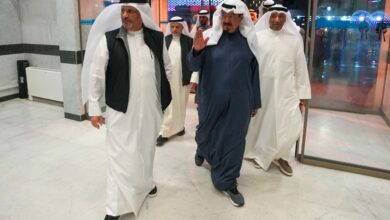
Lebanese Minister reassures Kuwaitis of safe environment for tourism and investment
Lebanon on reform track, state committed to stability and sovereignty; Prime Minister expected to visit Kuwait soon to sign key agreements to strengthen bilateral cooperation -- Lebanese Minister of Information Paul Morcos
The Times Kuwait Report
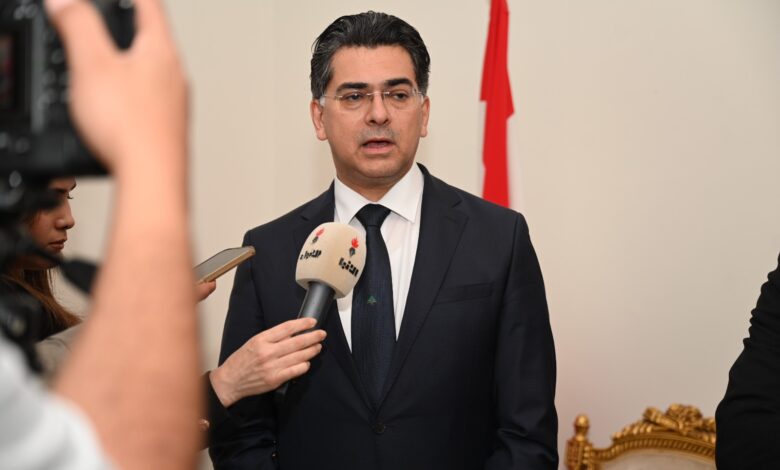
Lebanese Minister of Information Paul Morcos has reassured Kuwaiti citizens that Lebanon is a safe destination for tourism and investment, emphasizing the deep-rooted ties between the two nations and expressing gratitude for Kuwait’s longstanding support.
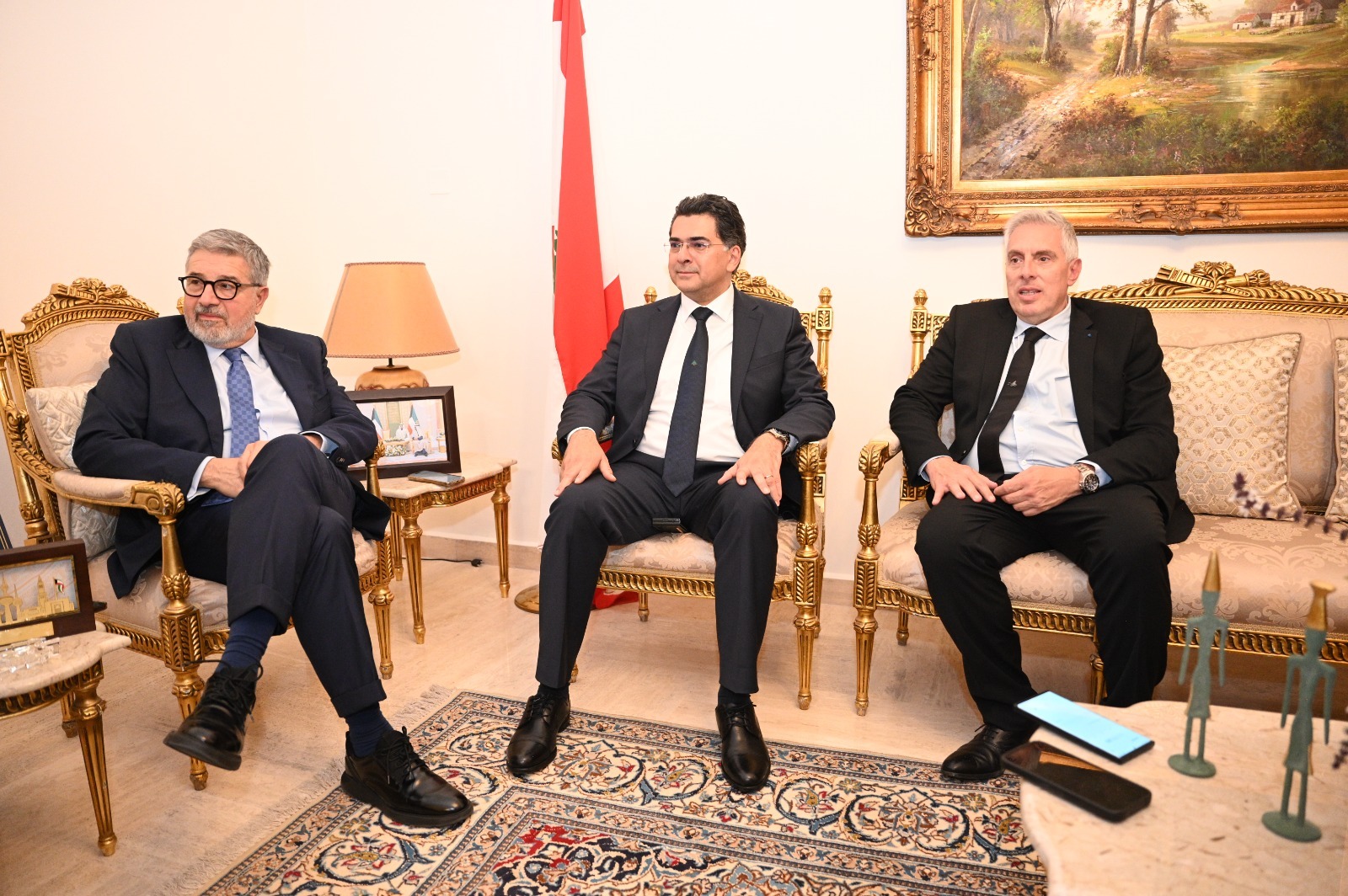
Speaking during a press conference at the Lebanese Embassy in Kuwait, on the sidelines of his participation in the closing ceremony of “Kuwait City: Arab Media Capital 2025,” Morcos said Lebanon considers Kuwait not merely a second country for Lebanese expatriates, but a homeland as well.
“We will never forget Kuwait’s support during the most difficult phases in Lebanon’s history,” Morcos said, recalling Kuwait’s contributions during the war years and its role in Arab efforts that helped restore stability.
He expressed pride in the Lebanese community in Kuwait, describing it as a distinguished and influential presence across multiple sectors, particularly in media, where Lebanese professionals have played leading roles in establishing and managing prominent Arab media institutions. “They are partners in presenting Lebanon’s honorable image abroad,” he added.
Morcos noted that Kuwaiti visitors have continued to travel to Lebanon even during the challenging times, including periods of conflict. He expressed confidence that recent security and regulatory measures would further encourage Gulf tourists to return in greater numbers.
“Kuwaitis are not traveling to a second country; they are coming to their country, Lebanon,” he said, referring to popular destinations such as Bhamdoun, Sofar, and Aley.
He revealed that the Beirut International Airport recorded nearly one million arrivals during the recent holiday seasons — a figure he described as significant compared to previous years, although still below aspirations.
He pointed to comprehensive security plans overseen directly by the President and the Ministers of Defense and Interior to ensure the safety of Gulf visitors and provide a reassuring environment.
Addressing Kuwaiti investors, Morcos confirmed that Prime Minister Nawaf Salam is expected to visit Kuwait soon to sign key agreements aimed at strengthening bilateral cooperation. He stressed that Lebanon needs Kuwait’s support to advance its recovery.
He outlined several factors intended to reassure investors, including renewed national determination to avoid further crises, improvements in the legislative framework, efforts to reactivate the banking and financial sectors, judicial reforms, and enhanced governance.
“All these elements collectively aim to restore confidence among Kuwaiti business leaders considering investment in Lebanon,” he said.
Morcos acknowledged that Lebanon has endured difficult years due to internal and external factors but said the current phase, under the new presidential term and government, offers renewed hope.
He explained that while the government does not claim to have achieved complete solutions, it has implemented foundational reforms, including draft laws on banking sector restructuring, lifting banking secrecy, addressing the financial gap, and facilitating the recovery of deposits. For the first time in years, he said, practical solutions are being placed on the table for parliamentary discussion.
He highlighted a marked improvement in customs revenues, which have doubled, attributing this to tighter controls and the installation of scanning systems linked to oversight mechanisms to curb smuggling and irregularities at ports and border crossings.
On the security front, Morcos emphasized that the Lebanese Army has established operational control in the south, with further deployment underway north of the Litani River.
He also cited strengthened border controls in the north and east, crackdowns on drug production and trafficking networks, and thwarted smuggling operations to neighboring Arab countries.
He noted improvements at Beirut Airport and along the road leading to it, as well as unprecedented regulation of border crossings and ports.
Regarding Hezbollah, Morcos reiterated the government’s commitment to the Constitution, the Taif Agreement, and relevant international resolutions, particularly Resolution 1701.
The objective, he said, is clear: to extend state authority across all Lebanese territory and ensure that arms are exclusively in the hands of the state.
He confirmed that the first phase of the army’s deployment south of the Litani has been completed, with subsequent phases pending assessment by the army command.
However, he ruled out the possibility of confrontation between the Lebanese Army and Hezbollah, stressing that the goal remains stability and the gradual consolidation of state authority.
Morcos confirmed that municipal elections were held after a nine-year hiatus and stressed that parliamentary elections will take place on schedule.
Although acknowledging technical and legal gaps in the current electoral law, he said the government has taken constitutional steps to ensure elections proceed within mandated deadlines.
Since taking office nearly a year ago, the government has held more than fifty intensive sessions, issuing approximately one thousand decisions and nearly two thousand decrees. He noted that the national budget was approved within its constitutional timeframe for the first time in years, alongside efforts to reduce deficits, improve customs collection, and rationalize electricity costs.
While acknowledging that public services such as electricity and water have yet to reach desired standards, Morcos said interim solutions — including private subscriptions, alternative energy, and improved internet services — are in place, with the ultimate goal of restoring stable state-provided services.
He concluded by affirming that despite ongoing internal and regional challenges, the government remains committed to reform, strengthening state authority, holding elections on time, revitalizing tourism, and deepening ties with Kuwait and other Gulf states.
The Lebanese Ambassador to Kuwait H.E. Gadi Khoury noted that the activation of certain joint agreements and committees has not met expectations, partly due to procedural requirements involving ministerial-level participation from both sides. Efforts are underway to streamline mechanisms to facilitate convening the joint committee.