Kuwait’s used-car market to touch $3.94 billion by 2031 as auctions and digital sales gain ground
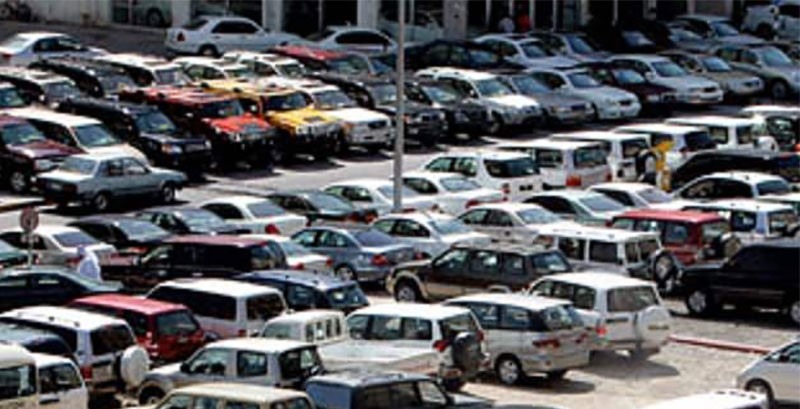
- Market value projected to reach $1.91 billion in 2026 and $3.94 billion by 2031, as rising vehicle imports, fleet turnover and demand for inspected cars reshape competition
Kuwait’s used-car market is expanding as vehicle supplies increase, local dealerships and rental companies grow their activities, and major automotive groups enter the sector. Traditional showrooms and car auctions are being complemented by inspection, warranty, financing, maintenance and insurance services.
According to the Central Statistical Bureau, Kuwait’s imports of passenger transport vehicles reached 1.546 billion dinars in 2025, an increase of 212.09 million dinars, or 15.9 percent, from 1.334 billion dinars in 2024. The supply of used vehicles is also being boosted by consumers upgrading their cars, alongside rental companies, engineering firms and companies operating in the oil sector returning vehicles to the resale market.
Passenger vehicle exports were valued at approximately 113.538 million dinars in the fourth quarter of 2025 and 84.503 million dinars in the first quarter of 2026. According to Mordor Intelligence, Kuwait’s used-car market was valued at around $1.65 billion in 2025 and is projected to reach $1.91 billion in 2026 and $3.94 billion by 2031, representing compound annual growth of 15.62 percent between 2026 and 2031.
The $10,000–$14,999 price segment accounted for 29.10 percent of the market in 2025, reflecting its appeal to buyers in terms of purchasing power and available financing. Vehicles priced above $30,000 are projected to record annual growth of 11.1 percent through 2031.
Cars aged between three and five years represented the largest segment, accounting for 33.95 percent of the market in 2025. Their appeal lies in the balance between affordability, modern specifications and potentially available warranty or maintenance programmes, while avoiding part of the initial depreciation associated with new cars.
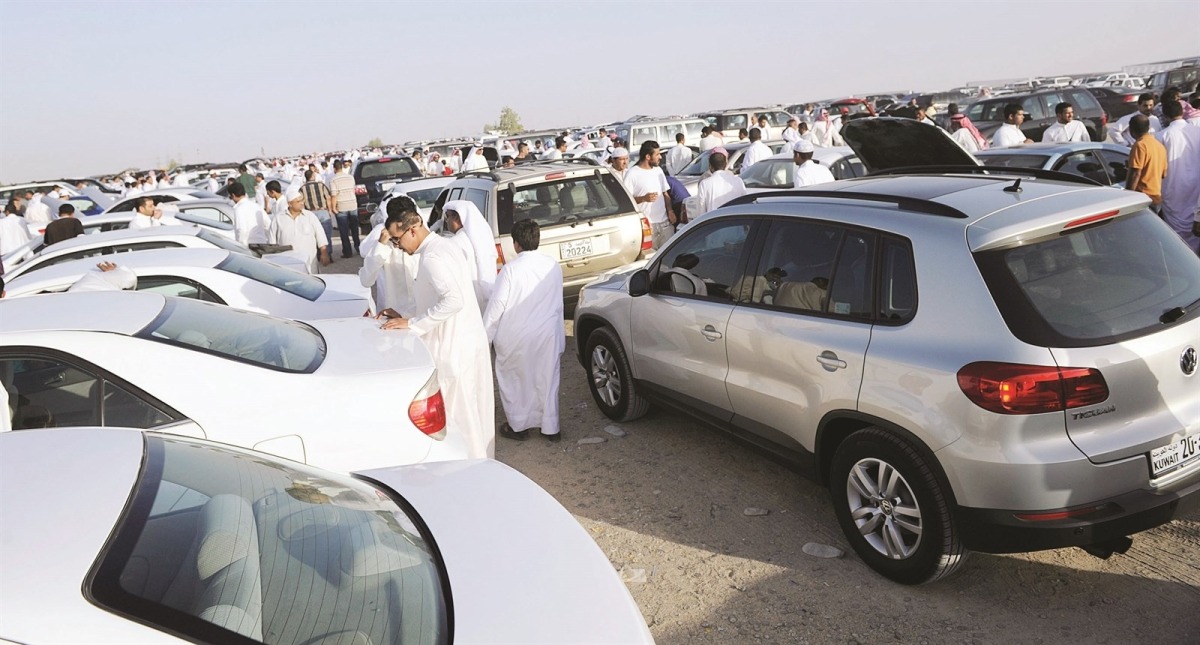
Nearly new vehicles aged between zero and two years are also gaining ground, with the segment projected to grow by 13.15 percent annually. Rental companies and corporate fleets are helping expand the supply of these vehicles as they return to the resale market. Shuwaikh remains a key centre for used-car trading and auctions, while Farwaniya and Jahra also host substantial numbers of car yards and showrooms.

These established hubs connect private sellers, dealerships and commercial operators, although the report provides no separate figures for auction revenues or transaction volumes. Traditional sales channels accounted for 60.55 percent of the market in 2025. However, electronic channels are projected to grow at a compound annual rate of 18.25 percent between 2026 and 2031, as buyers increasingly use digital platforms to compare prices, specifications and vehicle histories before arranging inspections and completing purchases.
Despite the entry of major dealers and digital platforms, unregulated sellers accounted for 71.55 percent of used-car market revenue in 2025. The regulated sector is projected to grow by 8.75 percent annually through 2031, supported by increasing consumer attention to vehicle condition, maintenance requirements and long-term ownership costs.
Dealerships and automotive companies are increasingly offering inspected vehicles, warranties, documented maintenance histories and after-sales services. Businesses combining rental and used-car sales are also supplying relatively young vehicles at competitive prices, shifting competition beyond the lowest price towards vehicle condition and overall value.
Sedans dominated the market in 2025, accounting for 37.8 percent, supported by their availability, suitability for urban driving and fuel efficiency. SUVs are projected to record the strongest growth among vehicle types, at 17.1 percent annually through 2031, driven by continued demand for family and recreational use.
Petrol-powered cars represented 85.1 percent of the used-car market in 2025, supported by relatively low fuel prices and established infrastructure and services. Electric vehicles remain a small segment but are projected to grow by 20.95 percent annually between 2026 and 2031 as charging infrastructure expands and more electric cars enter the resale market.
Kuwait City, Ahmadi and Hawalli together account for more than 70 percent of transaction volume, according to the report, highlighting the concentration of vehicle trading and related services in key areas. With rising supply and expanding dealership, auction and digital channels, Kuwait’s used-car market is projected to grow substantially through 2031. The figures point to increasing competition over pricing, vehicle inspections, maintenance history, warranties and after-sales support as buyers place greater emphasis on value and confidence when purchasing pre-owned cars.