Kuwaiti Diving Team embarks on major cleanup of Kuwait Bay, Umm Al-Naml Island
Volunteers remove hazardous fishing nets; vows to protect marine life
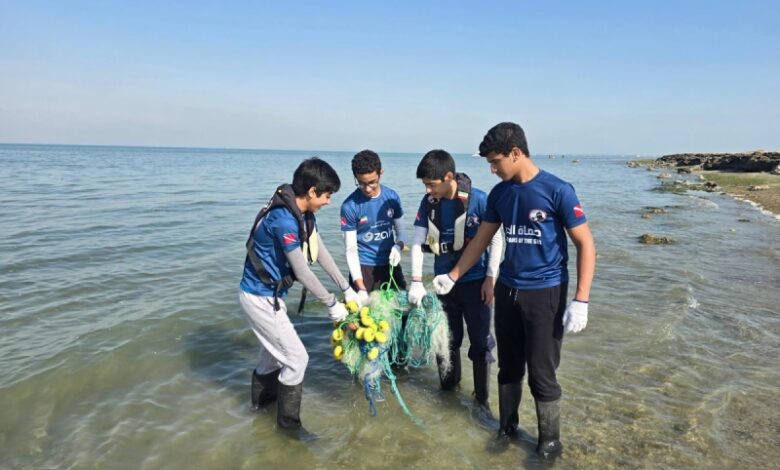
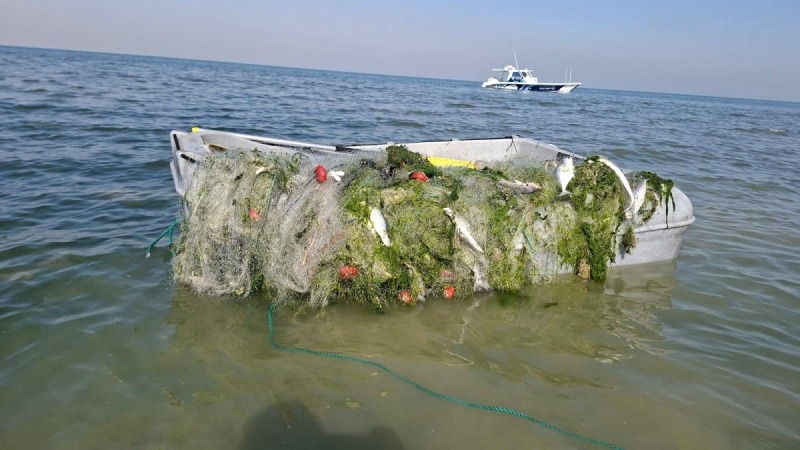
The Kuwaiti diving team, affiliated with the Environmental Voluntary Foundation, announced its successful campaign to remove abandoned fishing nets from Kuwait Bay and carry out a thorough cleaning of Umm Al-Naml Island, located south of Kuwait Bay. The initiative forms part of the team’s ongoing efforts to safeguard marine ecosystems and preserve the country’s natural environment.
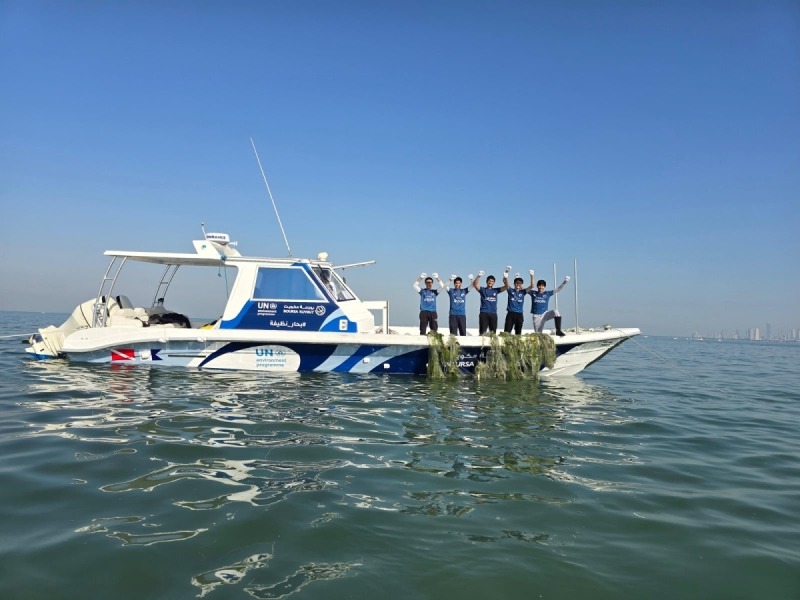
Team leader Waleed Al-Fadhel explained five fully equipped boats were deployed for the operation, and all logistical and technical resources were mobilized to ensure the effectiveness of the field plan. The mission focused on clearing pollutants from targeted areas while protecting marine life.
“Working in Kuwait Bay presents significant challenges due to strong water currents, shallow coasts, and exposure to high waves and air currents,” Al-Fadhel said.
He emphasized that the campaign is coordinated with the Directorate-General of Coast Guard, the Public Authority for Agricultural Affairs and Fish Resources, and the Environment Public Authority.
The team highlighted that retrieving abandoned fishing nets helps eliminate “ghost traps,” which pose threats to marine species and obstruct navigation. The cleaning campaign on Umm Al-Naml Island focused on removing plastic waste and debris, protecting both the environment and the island’s natural beauty.
Umm Al-Naml is Kuwait’s fourth-largest island, following Bubiyan, Failaka, and Warba, and lies approximately 650 meters from Ras Ashairij.
The island serves as a crucial habitat for crabs, lobsters, shrimp, and migratory birds traveling from North Asia to Africa. Its coasts provide a safe nesting area and vital resting and feeding grounds for birds during their long migrations.
The diving team expressed appreciation for the government’s recent plan to preserve Kuwait Bay, emphasizing that measures to prevent pollution and address its root causes are key to restoring the environmental balance.
Al-Fadhel stressed that volunteer efforts, guided by strict government oversight, are sufficient to return Kuwait Bay to a clean and sustainable state.
He concluded by calling on the public to cooperate in protecting the marine environment, ensuring that the bay remains free of pollutants and safe for wildlife and human activity.