Kuwait plans to launch ‘Freelance Visa’ within two months to curb visa trade
. . . to tighten grip on visa trafficking and put an end to illegal residency market
- With fees set between KD 750 and KD 1,000, the visa aims to create a transparent and government-regulated pathway for workers, helping authorities dismantle residency trading networks and close loopholes exploited by violators.
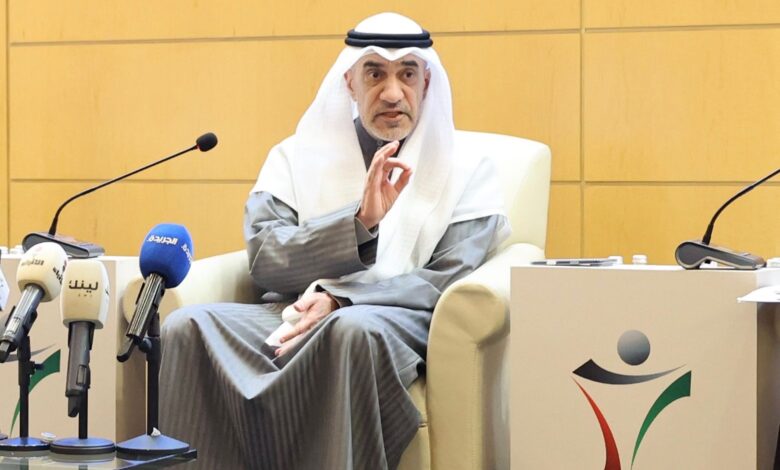
First Deputy Prime Minister and Minister of Interior Sheikh Fahd Al-Yousef announced plans to introduce a new “freelance work” residency permit within the next two months, describing it as a key reform aimed at combating residency trafficking and regulating Kuwait’s labor market.
Speaking during a dialogue meeting organized by the Public Authority for Manpower with private-sector representatives, Al-Yousef revealed that the proposed freelance residency will carry government fees ranging between 750 and 1,000 Kuwaiti dinars, creating a transparent legal pathway for independent workers while closing loopholes exploited by illegal residency traders.
He explained that the initiative is part of broader efforts to dismantle networks involved in selling and exploiting residency permits, stressing that the government is determined to enforce the law equally on all parties, reports Al-Rai daily.
According to Al-Yousef, the new system will allow individuals to work independently under a regulated framework rather than relying on fictitious companies or commercial licenses used as fronts for illegal employment.
The minister acknowledged longstanding challenges within the labor sector, noting that combating corruption and residency violations has been difficult due to complex practices involving the misuse of company licenses. He cited cases where citizens unknowingly allowed licenses registered under their names to be exploited by foreign operators for financial crimes, including large-scale money-laundering activities.
Al-Yousef emphasized that while the government has no objection to employers recruiting the workforce they require, strict accountability will be imposed on violators, particularly those allowing workers to operate outside legal frameworks.
He added that administrative reforms are also being considered, including periodic rotation of officials in sensitive departments to prevent conflicts of interest.
The freelance visa initiative comes alongside wider labor-market reforms aimed at improving transparency, simplifying procedures for businesses, and protecting workers’ rights. Authorities are also prioritizing the employment of Kuwaiti nationals in the private sector, a matter expected to be discussed by the Council of Ministers.
During the meeting, Director General of the Public Authority for Manpower Rabab Al-Osaimi confirmed that the authority is moving forward with digital transformation and service development, including stronger coordination with the Ministry of Interior to ensure salary payments, automate procedures, and enhance inspection systems.
Officials believe the introduction of the freelance residency permit will mark a significant shift in regulating flexible work arrangements in Kuwait, helping reduce illegal labor practices while offering a structured legal alternative aligned with evolving labor market needs.
The First Deputy Prime Minister highlighted a rigorous enforcement campaign the interior ministry launched to sanitize the labor market. He told KUNA, last year saw the administrative deportation of 39,000 foreign nationals for violating the residency and labor statutes and in the past period more than 3,000 licenses of non-compliant companies were cancelled, he disclosed.
He, moreover, unveiled that nine nurseries were shut down for violating regulations and illegally employing domestic workers in violation of labor laws and applicable safety procedures.
Sheikh Fahad Al-Yousef called on commercial license holders to file absentee reports against violating workers to insulate themselves from liability and protect their contractual rights.
For her part, the Director General of the Public Authority for Manpower Rabab Al-Osaimi, said that 65 percent of the Authority’s transactions are processed electronically, noting that 25 million transactions were completed last year.
Al-Osaimi added that the Authority is working to introduce artificial intelligence systems on its website to assist employers and respond to their inquiries, contributing to facilitating procedures and accelerating transaction processing.
She also affirmed that the Authority is also working on amending the labor law to keep pace with changes, enhance the efficiency of the legislative system, and develop the work environment.