Kuwait marks World Cancer Day with focus on awareness, early detection
‘United Through Uniqueness’ Kuwait highlights its ongoing battle against the disease
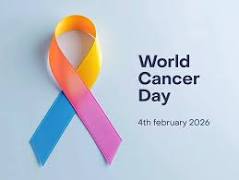
Kuwait joined countries around the world today (Wednesday) in commemorating World Cancer Day, an initiative led by the Union for International Cancer Control (UICC) aimed at raising global awareness about prevention, early detection and treatment of cancer.
The observance, held annually on February 4, falls within the UICC’s 2025–2027 campaign themed “United Through Uniqueness,” and serves as a platform to unite local, regional and international efforts to support patients, reduce cancer-related deaths and promote healthier lifestyles.
The day traces its origins to the World Cancer Summit held in Paris on February 4, 2000, where the Paris Charter was adopted to strengthen research, prevention and global cooperation in combating the disease, underscoring that addressing cancer is a shared responsibility among individuals and institutions.
The State of Kuwait places significant emphasis on combating cancer as part of its commitment to public health and quality of life. This is reflected in the development of specialized healthcare infrastructure, particularly the Kuwait Cancer Control Center (KCCC), established in 1968 and regarded as one of the region’s leading institutions in cancer diagnosis and treatment using advanced medical technologies.
Kuwait continues to promote awareness and early detection through a comprehensive health strategy focused on prevention, treatment and strengthening specialized medical centers.
The Ministry of Health regularly launches awareness initiatives, including the National Cancer Awareness Campaign (CAN), introduced in 2006 to encourage early screening and educate the public about various forms of the disease.
Health Minister Dr. Ahmed Al-Awadhi recently stressed that cancer remains one of the most pressing health, social and psychological challenges worldwide, calling for unified efforts and enhanced collaboration. Speaking at the Regional Oncology Conference and the 13th Gulf Federation for Cancer Control Conference, he highlighted rapid scientific progress in oncology, particularly in the Gulf region.
Kuwait’s achievements in the field include the Nuclear Medicine Department at KCCC receiving European quality certification in 2016, making it the first specialized center in the Gulf and Middle East to gain this recognition.
The center also houses several specialized facilities, such as the Hussein Makki Juma Center, Sheikha Badriya Al-Sabah Oncology Center, Faisal Sultan Bin Issa Diagnostic Radiology Center and Yaqoub Behbehani Bone Marrow Transplant Center. In 2018, the International Atomic Energy Agency honored KCCC for its advanced use of nuclear medicine technologies and recognized it as a model for regional cooperation.
Kuwait has further strengthened international partnerships, including a memorandum of understanding signed on February 20, 2025, between the Ministry of Health and France’s Gustave Roussy Hospital to advance oncology care.
Medical milestones in the country include the first laparoscopic cancer tumor removal combined with breast reconstruction performed at Jaber Al-Ahmad Hospital in July 2025, and the launch of the Hyperthermic Intraperitoneal Chemotherapy (HIPEC) program at KCCC in December, marking another step in adopting cutting-edge treatment techniques. Kuwaiti doctors have also gained regional recognition, with two physicians nominated to the Gulf Oncology Society.
Beyond the medical sector, institutions such as the Kuwait Fund for Arab Economic Development support health services abroad, while civil society organizations including the Sidra Association and the Patients’ Aid Fund Society provide psychological and treatment support to cancer patients, reinforcing Kuwait’s comprehensive approach to the fight against cancer.
— KUNA