Kuwait Judicial Institute, UN discuss int’l human rights standards
- Kuwait emphasizes judicial independence and fundamental rights
- UN welcomes Kuwait’s election to human rights council for 2027–2029
- Judicial training key to protecting rights and ensuring justice, says Al-Sane
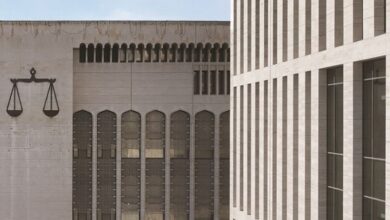
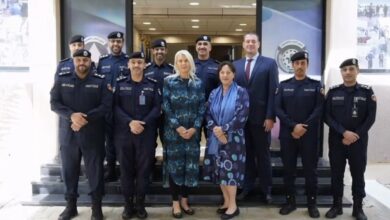
The Kuwait Institute for Judicial and Legal Studies has held a workshop in cooperation with the Office of the United Nations High Commissioner for Human Rights to examine international human rights standards and the related legal obligations.
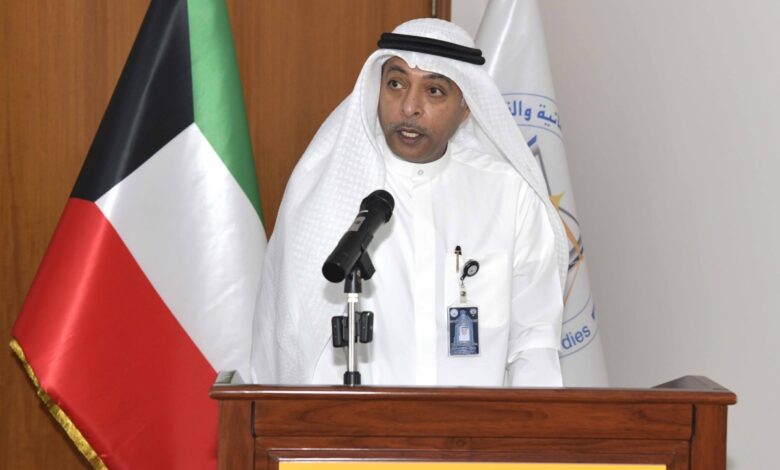
Counselor Saud Al-Sane, Deputy Director of the institute for the Continuing and Specialized Training Sector, delivered the opening address on behalf of the institute’s Director, Senior Counselor Bader Al-Musaed. He said Kuwait’s Constitution establishes fundamental principles of rights and freedoms, protects personal liberty, guarantees the right to litigation and safeguards judicial independence, providing the foundation for the country’s legislative system.
Al-Sane said the development of judicial work requires more than familiarity with national legislation. It also calls for a deeper understanding of relevant international standards and the mechanisms for applying them. He said the workshop reflected this approach by examining human rights under national legislation and international instruments, as well as the impact of these principles on Kuwait’s criminal justice system.
He stressed the importance of investing in the training of judges, Public Prosecution members and other legal professionals, describing them as central to enforcing legislation, protecting rights and upholding justice. He expressed confidence that the workshop would facilitate the exchange of expertise, strengthen legal knowledge and connect international standards with practical applications, ultimately improving judicial performance.
Mazen Shaqoura, the UN human rights office’s regional representative for the Middle East and North Africa, thanked the institute for its cooperation and continued efforts to promote legal and judicial knowledge. He also commended its role in providing training opportunities and facilitating the exchange of expertise among judicial and legal professionals.
Shaqoura congratulated Kuwait on its election to the United Nations Human Rights Council for the 2027–2029 term, expressing hope that the membership would create further opportunities to strengthen cooperation with UN human rights mechanisms, meet international obligations and promote the protection of human rights and fundamental freedoms.
He added that the UN human rights office places particular importance on cooperation with judicial institutions and law enforcement agencies through technical support, capacity-building and greater awareness of international human rights standards. He described the workshop as an important platform for dialogue and the exchange of experience.