‘Kuwait has never abandoned humanitarian work’
Despite challenges Kuwait has once again proven to be a steadfast and loyal partner of the UNHCR -- Nasreen Rubaian, head of the UNHCR office in Kuwait
The Times Kuwait Report
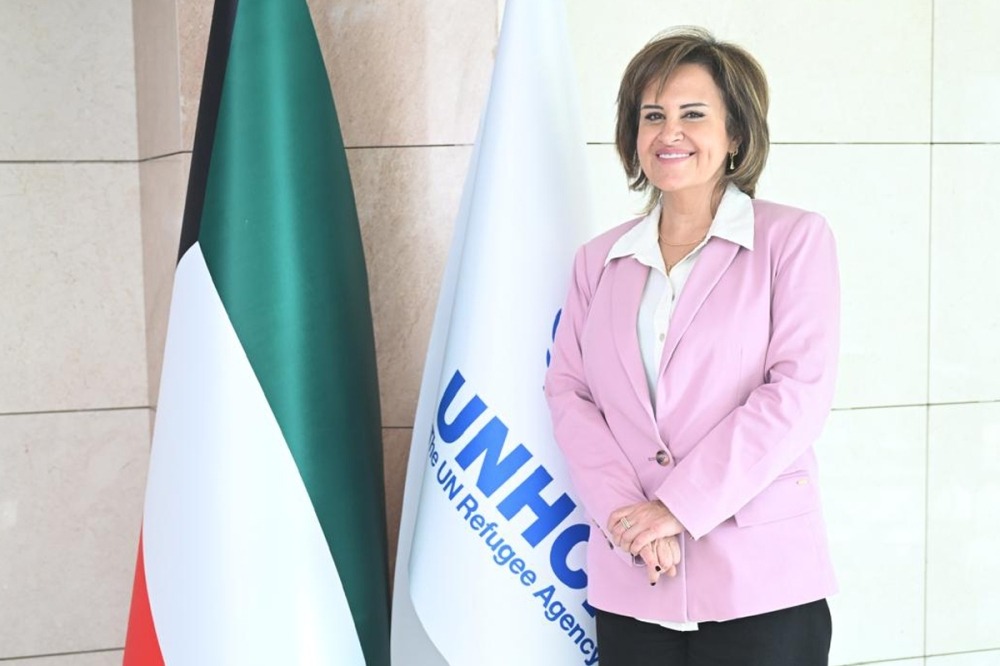
The head of the UNHCR office in Kuwait, Nasreen Rubaian, affirmed that Kuwait — through its government, civil society, and media — “has never abandoned its support for humanitarian work,” even as global crises intensify and funding declines.
Speaking during an annual meeting with journalists, Rubaian described 2024 as one of the most challenging years for the UN system, marked by what she called a “deadly cocktail” of escalating humanitarian needs, protracted conflicts, new refugee crises, and a significant drop in international funding. These pressures, she said, have placed an enormous burden on UN agencies worldwide.
Despite these challenges, she emphasized that Kuwait “has once again proven to be a steadfast and loyal partner of the UNHCR,” noting that this year saw the first-ever strategic dialogue between the UNHCR and the State of Kuwait, led by the Deputy High Commissioner and Kuwait’s Deputy Foreign Minister. This new platform, she said, lays the foundation for a more structured and effective long-term partnership.
Rubaian confirmed that Kuwait “doubled its governmental contribution through the Kuwait Fund for Development compared to previous years.”
She noted that 2025 will mark the first year of dedicated support for Sudan, alongside new agreements for Yemen and Chad, following the additional assistance Kuwait provided for emergency response to the Sudan crisis this year. Last year, Kuwait’s contribution supported Rohingya refugees in Bangladesh.
Rubaian praised Kuwait’s private sector for achieving “encouraging results” in supporting UNHCR campaigns, including aid for Syrian refugees in Lebanon and assistance for Rohingya refugees.
She also expressed deep gratitude to Kuwaiti media outlets, describing the media as among UNHCR’s “most steadfast, honest, and closest partners.”
A recent extended meeting with Minister of Information Abdulrahman Al-Mutairi, she said, opened new prospects for media collaboration in 2025, including creative initiatives to present refugee stories in innovative formats with broad participation from journalists and influencers.
Looking ahead, Rubaian announced that 2026 will see new private-sector initiatives, including a program to honor “the role of women in charitable and humanitarian work.”
The UNHCR will also produce media materials that portray stories of Kuwaiti humanitarian generosity “from the perspective of Kuwaitis themselves.”
In response to questions about global displacement trends, Rubaian warned that the number of refugees and internally displaced people could exceed 136 million next year, driven by continued crises in Syria, Sudan, Bangladesh, and parts of Africa.
She reaffirmed the UNHCR’s commitment to supporting the safe, voluntary, and dignified return of Syrian refugees once conditions allow.
Rubaian concluded by thanking the government and people of Kuwait for their unwavering support, calling Kuwait “a fundamental pillar in global humanitarian action,” and emphasizing that the UNHCR looks forward to “a new year of partnership and cooperation to serve millions in need around the world.”