Kuwait elected to UNESCO World Heritage Committee, representing Arab Group
UNESCO seat highlights Kuwait’s cultural leadership and global standing because of its prestigious role in shaping international heritage policy: Al-Jassar
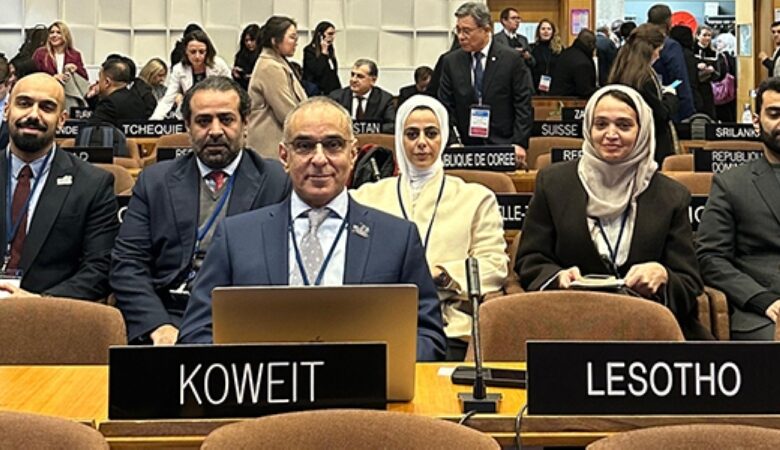
Kuwait secured a seat on UNESCO’s World Heritage Committee on Monday, representing the Arab Group, in a significant cultural milestone for the country.
Following the announcement, Secretary-General of the National Council for Culture, Arts and Letters (NCCAL), Dr. Muhammad Al-Jassar, told KUNA that the achievement reflects Kuwait’s respected cultural standing both regionally and internationally.
He emphasized that Kuwait’s rich cultural and heritage legacy continues to earn global appreciation, supported by the unwavering commitment of the nation’s political leadership.
Dr. Al-Jassar noted that this victory is the result of directives from the Minister of Information and Culture, Minister of State for Youth Affairs, and NCCAL Chairman Abdulrahman Al-Mutairi, who has been instrumental in advancing Kuwait’s heritage initiatives on the international stage.
He said the success aligns with the Council’s strategy to protect national heritage, promote cultural identity, and strengthen Kuwait’s presence within global cultural institutions.
Kuwait was elected among the 21-member states of the World Heritage Committee during a voting session held at UNESCO headquarters in Paris, as part of the 25th General Assembly of States Parties to the 1972 Convention on the Protection of World Cultural and Natural Heritage.
Dr. Al-Jassar described the election as a pivotal moment for Kuwait’s cultural journey, elevating its role in shaping international policies on heritage preservation.
He praised the outstanding efforts of the Ministry of Foreign Affairs and Kuwait’s Permanent Delegation to UNESCO, whose diplomatic work helped secure broad support for the country’s candidacy.
He affirmed that Kuwait will actively contribute to the Committee’s work by preparing nomination files for its tangible heritage sites and supporting global initiatives aimed at safeguarding human cultural legacy.
He also highlighted the vital role of World Heritage sites in promoting tourism, boosting economic development, and fostering cultural exchange among nations.