Kuwait declares all-out war on drugs; in no mood for tolerance
. . . harsh penalties ahead for offenders
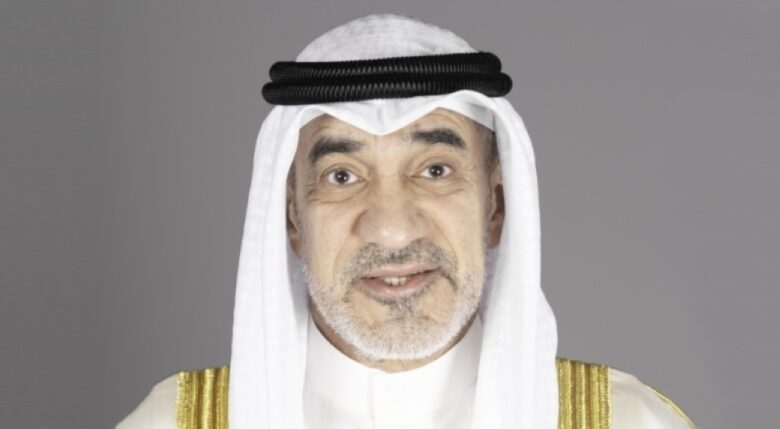
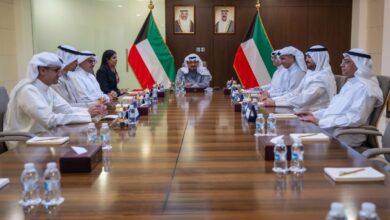
The First Deputy Prime Minister and Minister of Interior, Sheikh Fahd Al-Yousef, emphasized that the issuance of Decree Law No. (2025/159) on combating drugs and psychotropic substances marks a decisive new phase of legislative rigor in Kuwait.
Sheikh Al-Yousef stressed that the Ministry of Interior “is continuing its war against the scourge of drugs without any leniency towards those who tamper with the security of society.”
He explained that the new law aims to toughen and unify penalties for all types of narcotic and psychotropic substances, establishing a strict deterrent framework with penalties that include the death penalty, life imprisonment, and fines reaching up to two million Kuwaiti dinars for crimes involving importation, smuggling, manufacturing, and cultivation.
The legislation also strengthens penalties for trafficking, promotion, sale, purchase, and barter of drugs, including:
Exploiting minors in drug-related activities.
- Committing crimes within therapeutic, rehabilitation, educational, sports, and prison facilities.
- Forcing others to consume drugs by any means.
- Forming or managing gangs and criminal organizations for drug crimes.
- Planting drugs on someone to falsely accuse them of possession or concealment.
- Using public office or influence to commit drug-related crimes.
Highlighting the ongoing threat, Sheikh Al-Yousef noted that recent years have seen the seizure of large quantities of narcotics and the prevention of numerous smuggling attempts.
He stressed that the new law strengthens the ability of security agencies to impose deterrence and tighten the noose on criminal networks, creating the strongest punitive system the country has ever implemented.
The law also increases penalties for the misuse, issuance, or dispensing of narcotic or psychotropic substances for consumption, including use inside prisons, police stations, rehabilitation centers, educational institutions, places of worship, and designated learning facilities.
A significant humanitarian component is embedded within the law, offering legal avenues for voluntary treatment or addiction reporting by relatives up to the third degree, while ensuring full confidentiality. Penalties will apply to anyone who discloses information from reports or submits malicious claims.
To raise public awareness, the Public Relations and Security and Media Department will roll out a comprehensive campaign under the slogan “We Protect the Homeland.”
The campaign will cover television, radio, cinema, exhibitions, electronic public displays, and the ministry’s official channels to inform the public about legal provisions, penalties, and opportunities for treatment.
The law will come into effect 14 days following its publication in the Official Gazette, giving the public time to review its provisions and enabling authorities to complete regulatory procedures for implementation.
Sheikh Al-Yousef warned unequivocally: the Ministry of Interior “will not be lenient or tolerant of any crime that targets the sons of the nation or affects the security of society,” calling on the community to strengthen cooperation in confronting the drug menace, describing it as a shared responsibility.