Kuwait Customs tightens control on narcotics, psychotropic substances and Qatari vehicle exports
The new instructions reflect Kuwait’s commitment to balancing the medical needs of arriving patients with strict controls on narcotics and psychotropic substances, while also regulating cross-border vehicle movement in accordance with regional agreements.
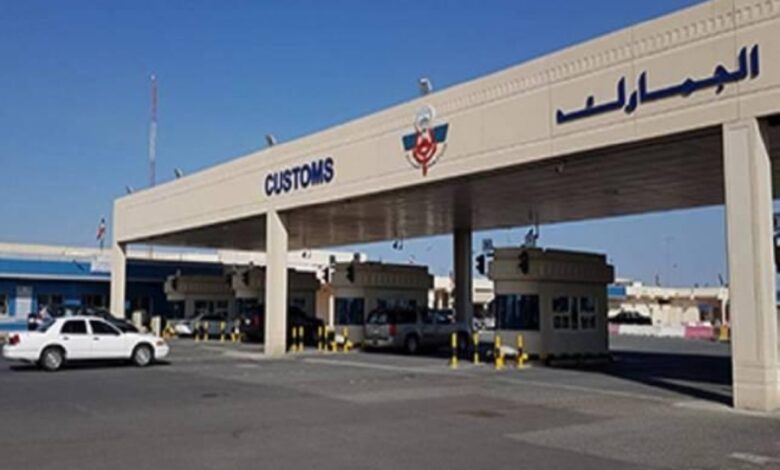
The General Administration of Customs has issued new instructions regulating the import of narcotic and psychotropic medications for patients arriving from abroad, following Ministry of Health Decision No. 202 of 2025, issued last month.
Under the new rules, patients may bring in narcotic substances listed in Schedule 1 of Decree Law No. 159 of 2025 for up to 15 days of treatment.
Psychotropic substances listed in Schedules 3, 4, and 30 are allowed in quantities sufficient for one month of treatment, reports Al-Rai daily.
Medical prescriptions or reports must be submitted upon arrival and certified either in writing or electronically by official Kuwaiti authorities abroad.
Customs emphasized that uncertified prescriptions will not be released until certification procedures are completed in accordance with the approved regulations.
Preparations of narcotic or psychotropic substances will be cleared immediately if accompanied by valid certification from health offices abroad or Kuwaiti embassies in the country of issue, without requiring additional verification, provided they are within the permitted quantities.
If certification is not available, airport clinic doctors may verify the medications within 24 hours of seizure, ensuring that the quantities match the allowed limits before release.
Any excess quantities or non-compliant preparations are transferred to the Ministry of Health’s Pharmaceutical Inspection and Licensing Department, with a detailed report submitted to the relevant authorities.
The instructions exempt medications prescribed by a licensed Kuwaiti doctor, provided the prescription matches the type and quantity of the medicine and is presented at the port of entry or exit.
In a separate move, customs released guidelines governing the handling and distribution of narcotic and psychotropic substances within licensed public and private health facilities, aiming to strengthen oversight, prevent misuse, and ensure compliance with established legal regulations.
In addition, the General Administration of Customs clarified rules for the exit of motor vehicles bearing Qatari license plates to countries outside the Gulf Cooperation Council (GCC).
Vehicles may not leave the GCC without an official permit from Qatar’s General Directorate of Traffic. Freight vehicles and vehicles with export plates are exempt, with customs procedures handled under the “re-export” system between the relevant authorities.
The new instructions reflect Kuwait’s commitment to balancing the medical needs of arriving patients with strict controls on narcotics and psychotropic substances, while also regulating cross-border vehicle movement in accordance with regional agreements.