KISR develops technology to boost vegetable yields, cut water use by 40%
. . . offers potential solution to two major challenges facing Kuwait's agricultural sector -- water scarcity and poor soil quality.
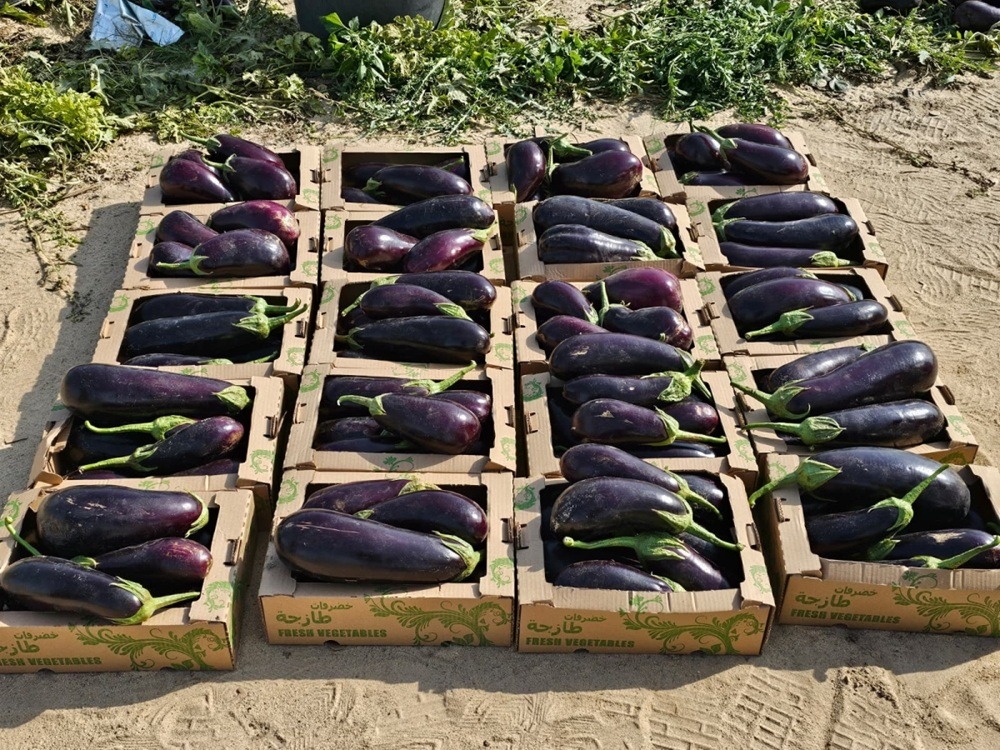
The Kuwait Institute for Scientific Research (KISR) has developed an agricultural technology that significantly improves sandy soil, increases vegetable crop productivity and reduces irrigation water consumption by 40 percent, offering a potential solution to two major challenges facing Kuwait’s agricultural sector: water scarcity and poor soil quality.
The research, led by Dr Hanaa Bourzouk, a research scientist at KISR’s Environment and Life Sciences Research Center, focuses on using organic soil conditioners under controlled irrigation to improve soil properties, enhance crop yields and support sustainable agricultural production and food security.
The project, titled ‘Reclaiming farm soil with organic soil conditioners to conserve water, leading to increased vegetable production’, was implemented at Al-Enmaa Company’s farm in Wafra. It addressed the limited capacity of sandy soil to retain moisture and nutrients, alongside the scarcity of irrigation water.
The study involved applying organic soil conditioner at a rate of 10 tons per hectare and using drip irrigation to supply 60 percent of the crops’ water requirements. The results were compared with crops grown under identical irrigation conditions but without the soil conditioner.
The findings showed substantial improvements in vegetable production. Cabbage yields increased by 406 percent, cauliflower by 275 percent, broccoli by 226 percent, okra by 122 percent, lettuce by 85 percent and tomatoes by 17 percent compared with crops grown without the organic conditioner.
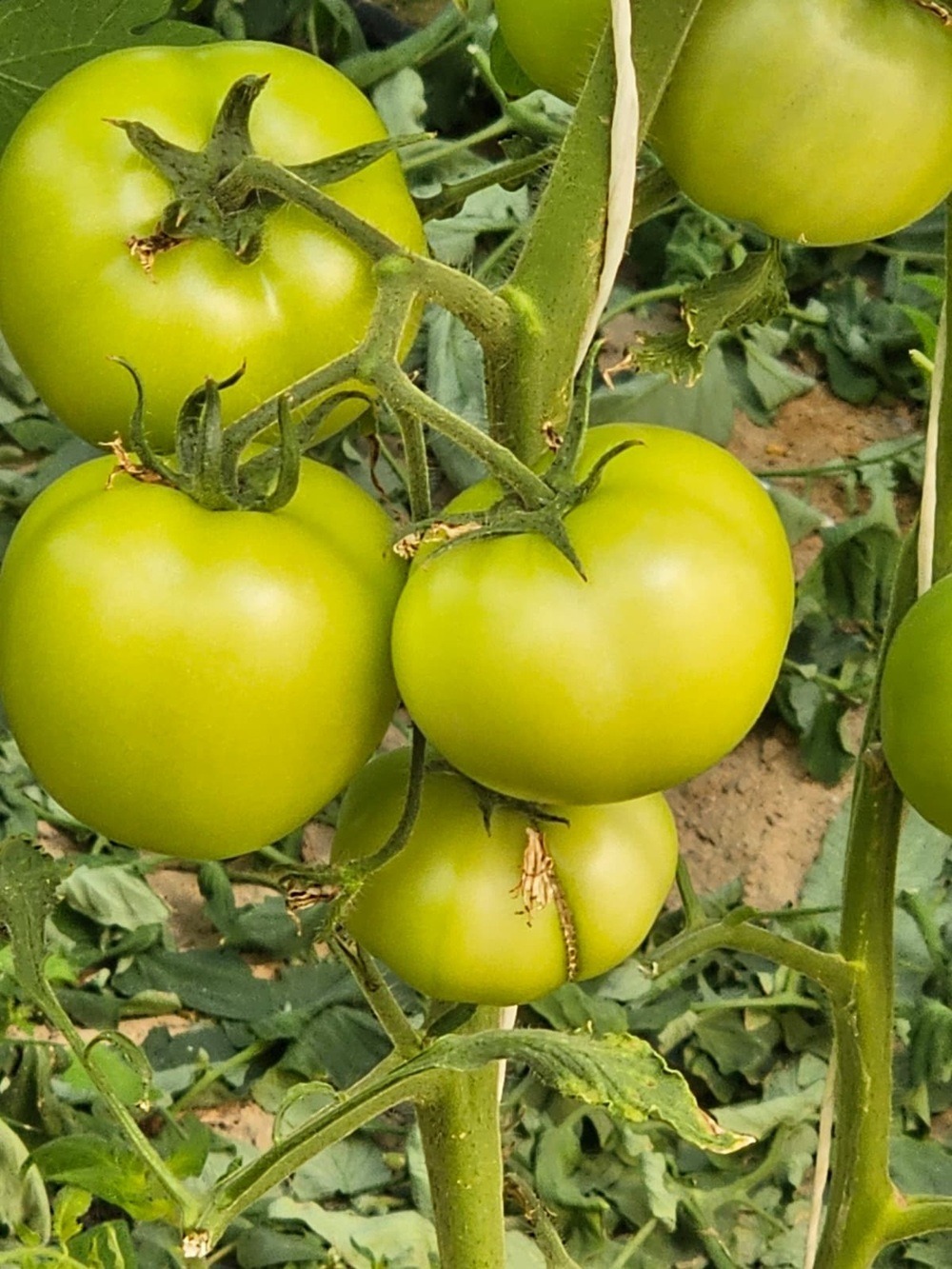
The technology also improved water productivity, measured by the quantity of produce obtained per cubic metre of irrigation water. Tomato productivity increased from 6.12 to 14.36 kilograms per cubic metre, lettuce from 3.72 to 13.79 kilograms and eggplant from 2 to 4.60 kilograms.
Dr Bourzouk said the results demonstrated the potential to increase agricultural output while reducing water consumption. The organic conditioner improves the soil’s ability to retain moisture and nutrients, creating better conditions for plant root development.
The project also demonstrated the potential to recycle agricultural waste, including crop and vegetable residues as well as sheep and camel manure, into high-quality organic fertiliser. The process involves controlled decomposition through ventilation, moisture regulation and periodic turning.
Laboratory analyses showed that the resulting fertiliser contained 55 percent organic matter and 30 percent organic carbon, together with high levels of nutrients essential for plant growth and low concentrations of heavy metals, supporting its potential application in agriculture.
Dr Bourzouk said the integration of organic soil improvement, controlled irrigation and agricultural waste recycling offered a promising approach to addressing Kuwait’s agricultural challenges. The approach could improve natural resource efficiency, rehabilitate farmland and advance circular economy practices in the agricultural sector.

She stressed the need for further studies to assess the technology’s long-term field performance, establish optimal application rates and evaluate its economic feasibility and potential for wider adoption across local farms.
The project reflects KISR’s efforts to develop science-based solutions for sustainable agricultural production, more efficient water use, agricultural waste utilisation and stronger food security in Kuwait.