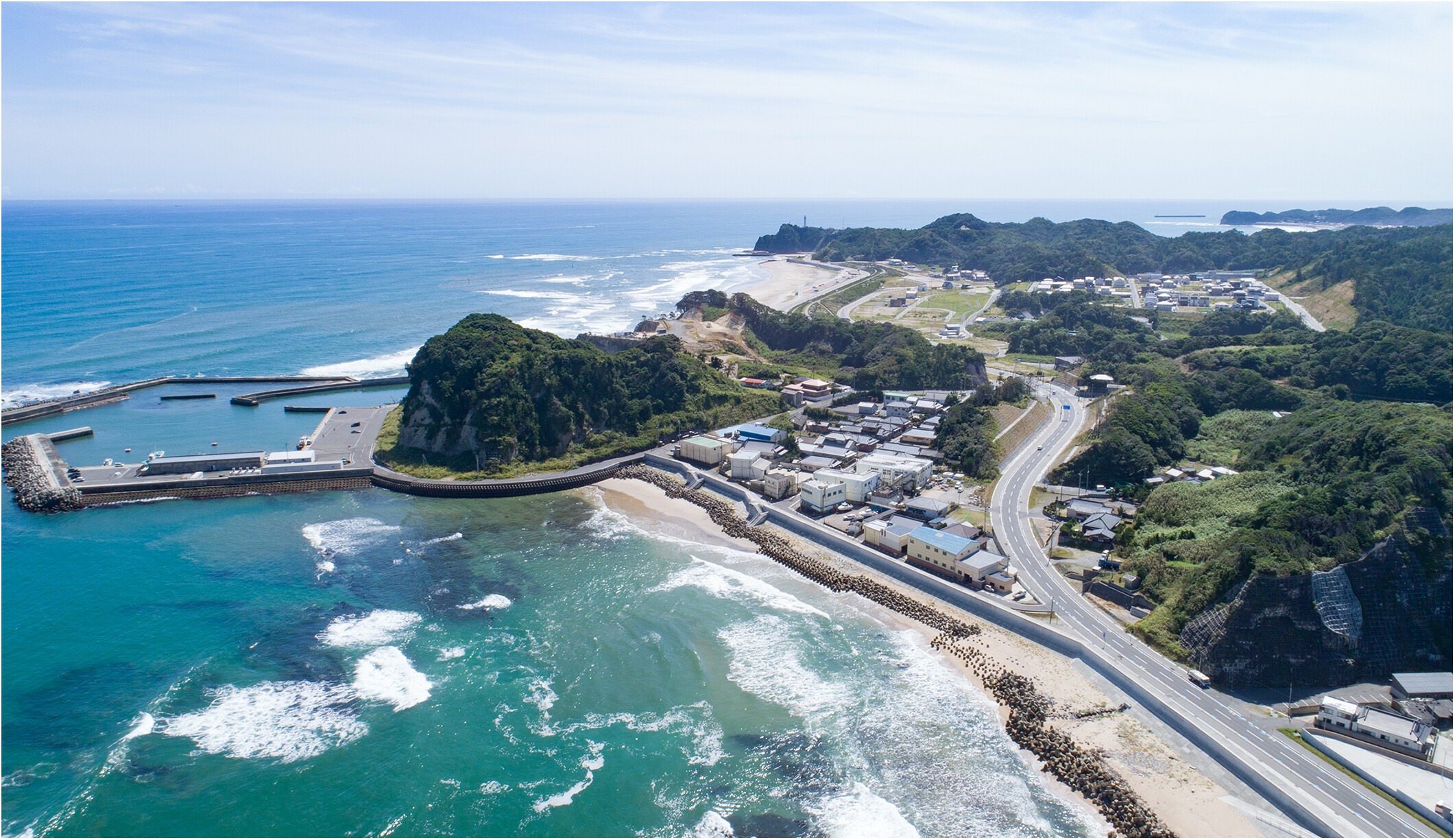
- The current release cycle is scheduled to continue until July 24, during which approximately 7,800 tons of treated wastewater will be released into the sea, containing about 1.3 trillion becquerels of radioactive tritium, according to the company.
Japan on Monday began a new round of releasing treated water from the Fukushima Daiichi nuclear power plant into the ocean, marking the 21st discharge since the controversial operation began in 2023.
The discharge started at 11:41 a.m. Japan local time, according to Tokyo Electric Power Company Holdings (TEPCO), the operator of the plant.
The current release cycle is scheduled to continue until July 24, during which approximately 7,800 tons of treated wastewater will be released into the sea, containing about 1.3 trillion becquerels of radioactive tritium, according to the company.
The Fukushima Daiichi plant suffered severe damage following the March 11, 2011 earthquake and tsunami, which led to reactor meltdowns and the release of radioactive materials.
The incident was classified as a Level 7 nuclear accident, the highest rating on the International Nuclear and Radiological Event Scale.
Despite ongoing international concerns and objections, Japan began the controlled discharge of treated water in August 2023 after years of storage and treatment at the site.
With the latest operation, TEPCO has now completed 20 previous discharge cycles, releasing approximately 157,000 tons of treated wastewater into the ocean to date.
The planned release continues to draw attention amid global environmental and political debate over the long-term impact of the disposal process, even as Japanese authorities maintain that the water has been treated and diluted in accordance with international safety standards.