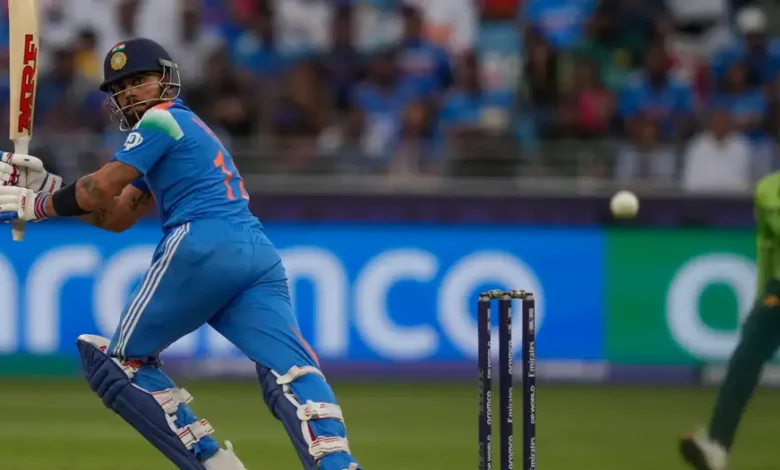
The much-anticipated T20 World Cup clash between India and Pakistan is back on track after Pakistan ended its boycott and agreed to play, following government direction on Monday.
The decision brings to a close a week-long standoff that had cast doubt over one of the tournament’s most high-profile fixtures. The T20 World Cup, co-hosted by India and Sri Lanka, began on February 7 and runs until March 8.
According to a statement from Pakistan’s government posted on X, the breakthrough followed a phone conversation between Prime Minister Shehbaz Sharif and Sri Lankan President Anura Kumara Dissanayake. Discussions also involved the Pakistan Cricket Board (PCB), the International Cricket Council (ICC), and the Bangladesh Cricket Board (BCB), with the move described as an effort to uphold “the spirit of cricket.”
The India–Pakistan match is scheduled for February 15 in Colombo. Had Pakistan refused to play, the team would have forfeited two points — a setback that could have seriously damaged its chances of progressing in the 20-team tournament, dw,com reports.
Why the boycott happened
The dispute stemmed from Bangladesh’s withdrawal from matches in India, citing concerns over the “safety and well-being” of its players amid heightened regional political tensions. The ICC dismissed those concerns and replaced Bangladesh with Scotland.
In response, Pakistan announced it would not play its group match against India, with PCB chairman Mohsin Naqvi accusing the ICC of “double standards” and “injustice.” Bangladesh officials publicly thanked Pakistan for its support during the dispute.
On Monday, the ICC confirmed that Bangladesh would not face penalties for its refusal to play in India and said the country would host an event ahead of the 2031 ICC Men’s Cricket World Cup.
A marquee encounter with global stakes
Behind the scenes, intense negotiations took place over the weekend, including visits by ICC and BCB officials to Lahore. Pakistan’s government said several ICC member boards, including Sri Lanka and the UAE, urged the PCB to end the boycott.
India–Pakistan matches are among the most commercially valuable events in cricket, drawing massive global audiences and generating millions in broadcast and sponsorship revenue. Cancellation would have posed risks to television deals and ICC finances.
India captain Suryakumar Yadav had earlier said his side was ready to play as scheduled, while Pakistan captain Salman Agha emphasized that the decision rested with the government.
The rivalry remains one of sport’s most politically sensitive, underscored by past controversies — including an Asia Cup episode where Indian players declined to accept the trophy from Naqvi, who also serves as Pakistan’s interior minister.