By S A H Rizvi
Chief of Bureau, New Delhi
The Times Kuwait
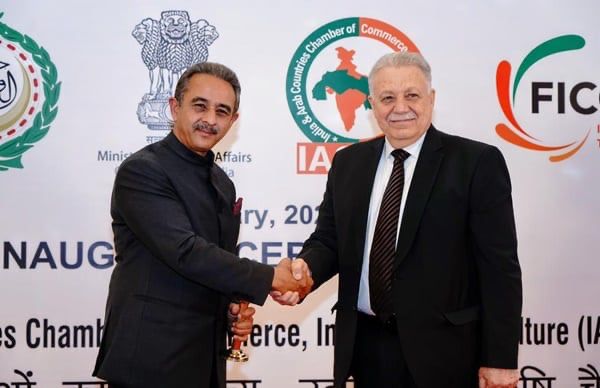
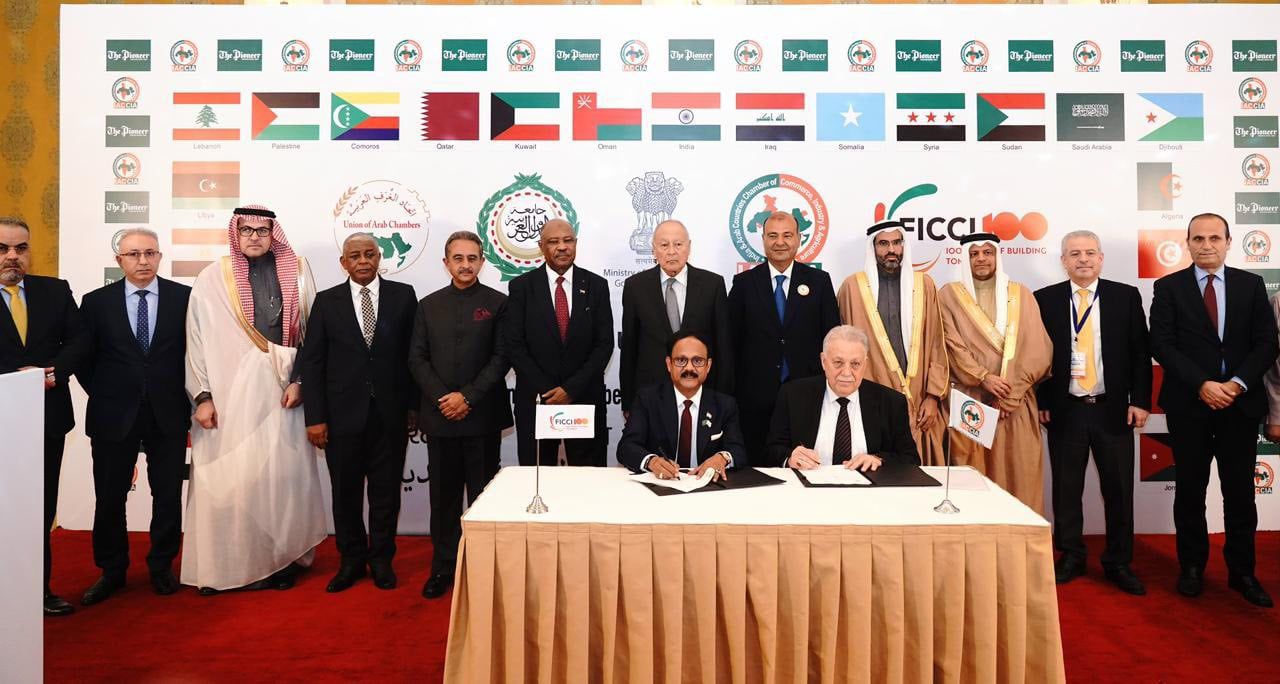
Indian Minister of State for External Affairs Kirti Vardhan Singh Friday night inaugurated the India-Arab Countries Chamber of Commerce, Industry & Agriculture (IACCIA) in New Delhi, underscoring the growing strategic importance of regional cooperation amid shifting global trade dynamics.
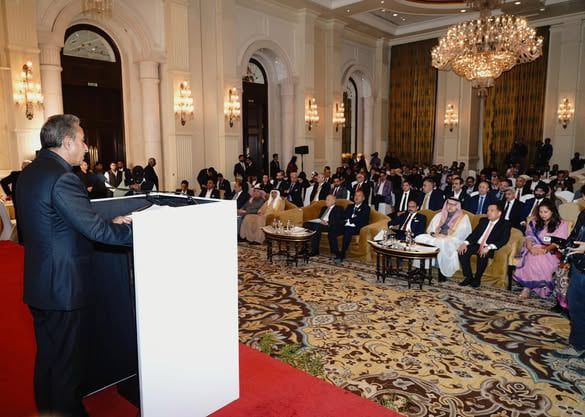
Addressing the event, Singh described regional collaboration as the definitive “way forward” in an evolving international landscape, where traditional rules governing world trade are undergoing significant changes. He stressed the need for nations to recognize each other’s comparative advantages and work together within their regions to foster mutual growth.
The Minister highlighted the resilience and strength of India-Arab ties, noting that bilateral trade between India and the Arab world reached approximately USD 240 billion in FY 2024-25, successfully weathering global geopolitical challenges. He pointed out that Arab nations supply nearly 60 per cent of India’s crude oil imports and over 50 per cent of its fertilizer needs, while Indian investments in the region total around USD 40 billion, generating substantial local employment.
Singh invoked India’s ancient civilizational links with the Arab world, referencing millennia-old maritime and land routes through which Indian spices, silk, and technology were exchanged for Arabian frankincense and gold. Drawing on the philosophy of Vasudhaiva Kutumbakam (the world is one family), he described Arab League nations as a vital part of India’s “extended neighborhood” and the foundation of its regional engagement.
Looking to the future, the Minister invited Arab countries to leverage India’s vast market of 1.4 billion people, identifying agriculture — particularly water conservation, drought-resistant crops, and agri-tech — as a key area for collaboration. He reaffirmed India’s steadfast support to the Arab world during crises, including the COVID-19 pandemic and periods of regional instability.
“India has long been a trusted and steadfast friend of the Arab world,” Singh said, expressing optimism that the newly launched Chamber would act as a unified platform to deepen industrial, agricultural, and commercial linkages across the Arabian Sea.
Prof Dr Khaled M Hanafy, Secretary General of the Union of Arab Chambers, welcomed the initiative as a strategic step to enhance economic relations. Operating under the umbrella of the Union of Arab Chambers, which includes 16 joint Arab chambers, the new entity will facilitate networking across Arab countries and beyond. Hanafy called for strategic alliances in areas such as digitalization, logistics, AI, mining, education, and healthcare, noting that “India is seen as a friend in the Arab world” and excels in technology and pharmaceuticals.
Dr Waeil Awwad, Secretary General of IACCIA, emphasized that the Chamber’s launch — coinciding with preparations for the 2nd India-Arab Foreign Ministers’ Meeting (scheduled for Saturday in New Delhi)—underscores the recognition that economic cooperation must align with political and diplomatic efforts.
He positioned IACCIA as a key mechanism to convert high-level understandings into concrete outcomes in trade, investment, and industry.
Rooted in centuries of civilizational exchange, the Chamber aims to address modern global challenges, including supply-chain reconfiguration, investment facilitation, energy transition, food security, and technology collaboration.
Headquartered in New Delhi, IACCIA will serve as a permanent institutional bridge between India and the Arab world, transforming historical bonds into modern, results-driven economic partnerships for mutual benefit.
The inaugural function was attended by many diplomats including Kuwait Ambassador Meshal Alshemali, industrialist and politician like Navin Jindal besides other captain of industry.