The International Energy Agency (IEA) has agreed to release 400 million barrels of oil from the strategic reserves of its member countries in an effort to stabilize global energy markets as prices surge amid the ongoing United States–Israeli war with Iran.
The planned release marks the largest emergency stock drawdown in the agency’s history, exceeding the 182 million barrels released in 2022 after Russia launched its full-scale invasion of Ukraine.
IEA Executive Director Fatih Birol said the decision reflects the severity of the current crisis, reports Al-Jazeera.
“The oil market challenges we are facing are unprecedented in scale,” Birol said, noting that the coordinated response by member states represents an emergency action of historic magnitude.
Birol explained that disruptions to transport routes and storage capacity have forced several Middle Eastern oil producers to cut production, while attacks on energy infrastructure and refineries have further complicated the supply situation. These disruptions are already affecting jet fuel and diesel supplies, adding pressure to global energy markets.
IEA member countries collectively hold more than 1.2 billion barrels of emergency oil stocks, with an additional 600 million barrels stored by industry under government mandates
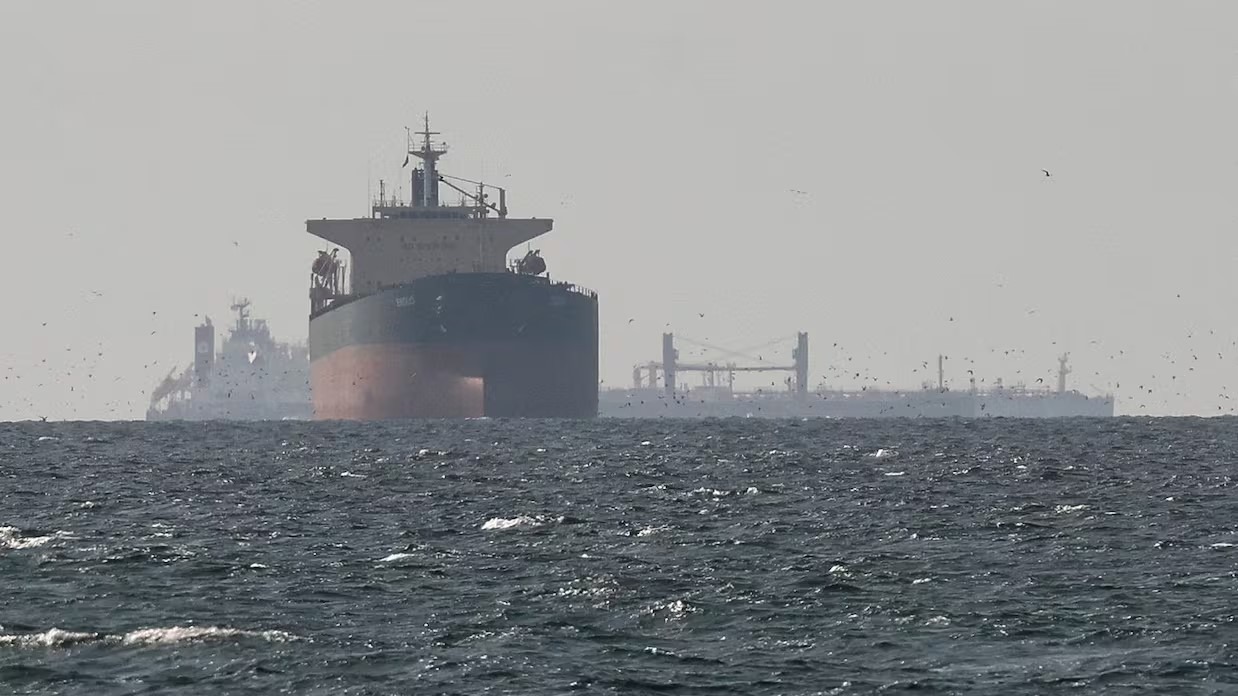
The crisis intensified after the war that began on February 28, when Iran effectively shut down the vital shipping corridor of the Strait of Hormuz by threatening to target vessels.
Nearly 20 percent of the world’s oil and gas supplies normally pass through this strategic waterway linking Gulf producers to global markets.
Iran has also targeted energy facilities in Gulf Arab countries in response to the attacks by the United States and Israel, a move analyst say is aimed at creating economic pressure to force an end to the conflict.
Global oil prices have reacted sharply. International benchmark Brent crude oil surged more than 25 percent since the conflict began and briefly climbed to $119 per barrel, the first time prices crossed $100 since 2022.
Following the IEA announcement, Brent prices eased but remained above $90 per barrel, as analysts warned that the release may not fully offset fears of prolonged supply disruptions, particularly after recent attacks on vessels in the Strait of Hormuz.
Analysts at Macquarie Group estimate that the planned release is equivalent to about four days of global oil production or 16 days of the crude volume normally shipped through the Gulf.
“If that doesn’t sound like much, it isn’t,” the analysts said, warning that market concerns over supply disruptions remain significant.
Several countries have already pledged contributions to the coordinated release. The United Kingdom said it would supply 13.5 million barrels, while South Korea pledged 22.46 million barrels. Germany, Austria and Japan also confirmed plans to release portions of their strategic reserves.
The announcement followed a meeting of G7 energy ministers at the IEA headquarters in Paris, where officials discussed measures to stabilize oil markets.
Strategic oil reserves managed by the IEA were first created in 1974 after the 1973 Arab Oil Embargo to protect global markets against sudden supply shocks.