Half a million users as drug trade floods Gulf, profits soar, addiction spreads inside families
Kuwait’s new 84-article drug law targets a growing national crisis beyond punishment, exposes scale of addiction, psychosis risks, and trafficking networks
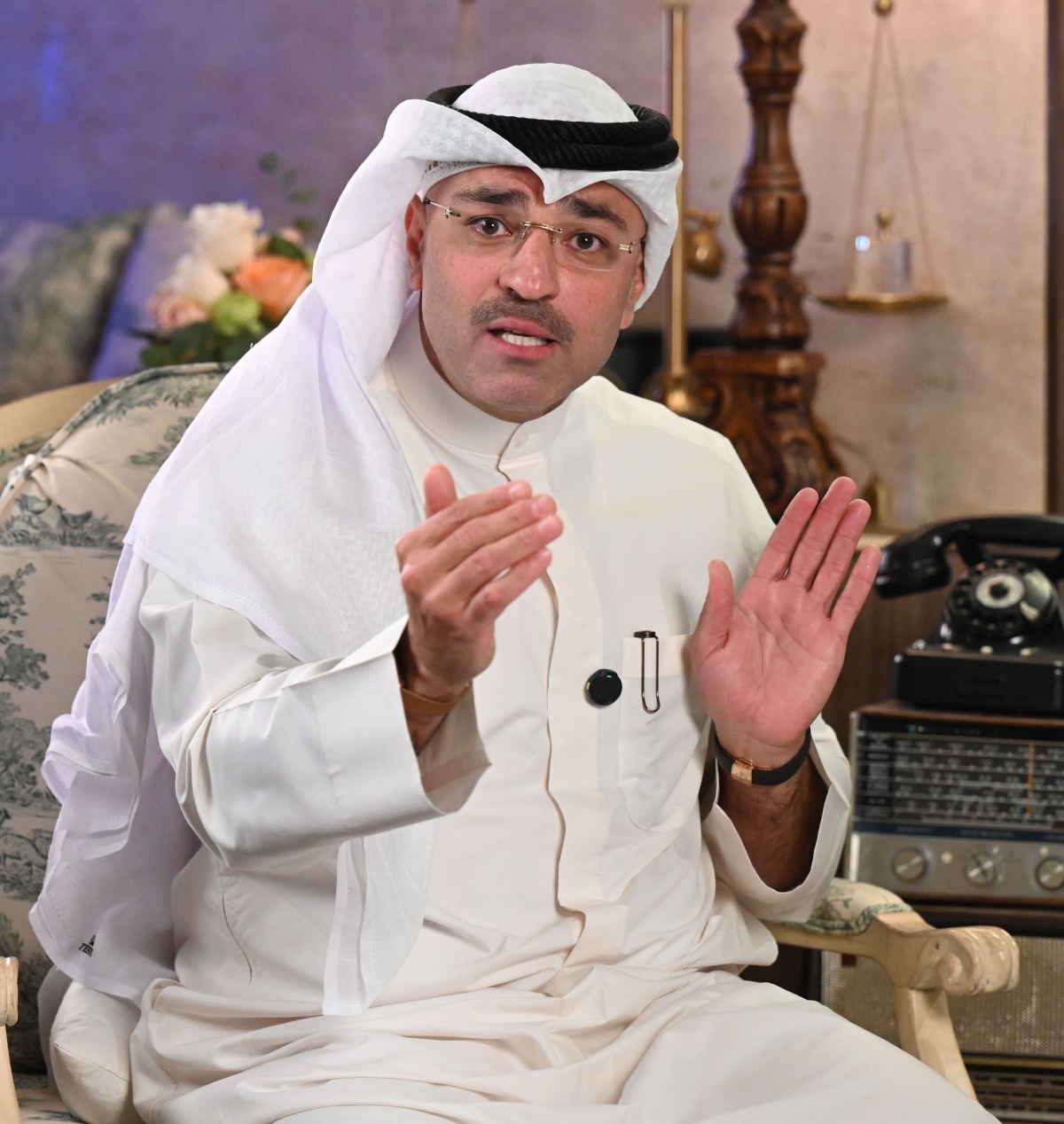
- A fully Kuwaiti-designed law based on real cases
- Drug abuse may affect nearly half a million people
- Tough laws alone are not enough
- Alternative penalties show strong rehabilitation results
- Drug trafficking is driven by massive profits targeting the Gulf
Counselor Mohammed Al-Duaij, Advisor at the Court of Appeal and head of the committee drafting Kuwait’s new drug law, confirmed that the legislation represents a comprehensive legal framework consisting of 84 articles designed specifically to address Kuwait’s real drug challenges. He stressed that the law is entirely national in character, as its provisions were derived from actual judicial cases rather than theoretical models or imported foreign legislation.
Al-Duaij explained that his more than three decades of experience in prosecution and the judiciary enabled him to understand practical legal gaps and recurring patterns in drug-related crimes, which shaped the drafting process. He described the Public Prosecution as an institution committed to uncovering truth and ensuring justice through balanced legal procedures.
He emphasized that legislation alone cannot solve the drug crisis, warning that strict laws will remain ineffective without coordinated government action. According to his estimates, Kuwait may face nearly half a million drug users and addicts combined, making the issue a national emergency requiring urgent expansion of treatment centers and preventive programs, reports Al-Rai daily.
Discussing criminal justice reforms, Al-Duaij highlighted the introduction of alternative penalties, particularly electronic monitoring bracelets as substitutes for traditional imprisonment for first-time offenders. Hundreds of inmates have benefited from this system, with recidivism rates not exceeding about 22 percent, demonstrating its effectiveness in rehabilitation.
He explained that electronic monitoring succeeds because offenders remain within their normal social environment instead of prison settings, while still being subject to strict supervision. Movement limits are digitally monitored, and any violation immediately alerts authorities, allowing punishment and reform to coexist.
The alternative sentencing system also includes community service penalties, although their long-term impact is still being evaluated. Al-Duaij noted that involving judges directly in drafting legislation represents a major shift in Kuwait’s lawmaking process, ensuring laws address real procedural problems observed in courts.
Turning to international drug networks, he said global production largely originates outside the Gulf region. Cocaine production is concentrated in South America, methamphetamine manufacturing in Mexico, and limited production exists in parts of Europe, while terrorist groups in the Sahel region often serve as transit routes. Syria, he added, represents a unique case where state-linked production allegedly generated massive revenues.
He explained that Gulf countries are heavily targeted because of enormous profit margins. Drugs that cost between $15 and $20 per gram internationally may sell for up to $100 in Gulf markets, making trafficking highly lucrative.
Using United Nations estimates, Al-Duaij said roughly 6 percent of the global population uses drugs, though real figures may reach 10–15 percent in some societies. Applying such projections to Kuwait suggests approximately 250,000 addicts and a similar number of users, though these remain statistical estimates rather than official data.
He noted that drug use carries severe financial consequences, with average monthly spending by users reaching about 600 Kuwaiti dinars. Dealers exploit this burden by offering free doses or incentives to recruit new users, often targeting individuals from financially stable families who can sustain long-term consumption.
Al-Duaij shared multiple real cases illustrating the dangers of addiction, including violent crimes committed under drug-induced psychosis. He described incidents where users experienced delusions, paranoia, and loss of reality, sometimes leading to murder or serious accidents.
He warned that modern narcotics are far more dangerous than substances used in previous decades, as traffickers increasingly mix drugs with toxic materials such as glass powder or additional chemicals to intensify addiction. Users mistakenly interpret harmful physical reactions as signs of purity, causing severe internal injuries.
According to him, prolonged drug use often leads to psychosis — a condition he described as “psychiatric cancer” — which can permanently damage personality and mental stability even after treatment. Many addicts believe they remain in control despite clear behavioral and cognitive deterioration.
Al-Duaij also highlighted social tragedies linked to addiction, including family exploitation, theft, and violence against relatives. He stressed that addiction spreads socially, with addicts often drawing friends or family members into drug use, making prevention and early treatment essential.
He concluded by warning that drug trafficking is among the world’s largest criminal industries, generating trillions globally. In Kuwait alone, drug seizures during 2023–2024 were valued at about 275 million dinars, while global statistics suggest authorities intercept only around 10 percent of total trafficking, meaning the majority of drugs still reach markets — underscoring the scale of the challenge facing society and the importance of strictly enforcing the new law alongside prevention and treatment efforts.