Global South powers ahead in clean energy as experts call for cooperation to accelerate green growth
Despite recent disappointments at COP30 in Belém, where countries failed to agree on stronger fossil-fuel reduction and climate-finance commitments, leading voices from China and Europe insist that green growth is still achievable -- Euronews

From Beijing to Nairobi to São Paulo, the momentum for clean energy and green growth is increasingly coming from the Global South, where countries like China, Kenya, and Brazil are rapidly expanding renewable power while progress in Europe and the United States slows.
China and Brazil, according to dw.com, now rank among the world’s top producers of solar energy, while Kenya generates 90% of its electricity from renewables, led by geothermal power.
Yet contradictions remain: China continues to be the world’s largest CO₂ emitter, and Brazil is still exploring new oil fields even as it relies heavily on renewables.
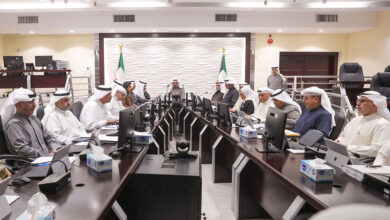
Despite recent disappointments at COP30 in Belém, where countries failed to agree on stronger fossil-fuel reduction and climate-finance commitments, leading voices from China and Europe insist that green growth is still achievable. At a joint Euronews–CGTN debate, experts emphasized that—with the right blend of technology, policy, and global collaboration—the world can still accelerate the clean-energy transition.
Panelists agreed that no single country will dominate the shift to renewable energy. Instead, innovation, large-scale deployment, strategic alliances, and rising clean-energy demand will define progress. Cooperation, they stressed, is the foundation.
China brings scale, affordability, and industrial capability, while the European Union excels in innovation, standards, and regulation.
Together, experts said, they could drive the next wave of clean-technology deployment and lower global emissions.
China’s efforts to cut all greenhouse gases — not just CO₂ — mark a significant step forward, yet the scale of change remains daunting. With 1.4 billion people and ongoing industrialization, China’s transition will not be easy, but achieving its targets would represent the largest global emissions reduction of the next decade.
Experts warned that geopolitical tensions and a lack of trust between governments pose major risks. Even with advanced green technologies already available, they will fail to scale without stronger international cooperation.
Artificial intelligence and digitalization were highlighted as essential tools for building a sustainable future. From smart grids to industrial innovation and optimized food systems, AI could unlock breakthroughs in clean energy and resource efficiency.
To accelerate clean-technology deployment, speakers underscored three pillars:
- Cooperation, to share expertise and rapidly scale new technologies.
- Healthy competition, to drive efficiency and breakthroughs.
- Innovation, including AI and advanced industrial processes, to push green solutions further.
Despite global challenges, experts remain optimistic that with collective action—anchored by trust, technology, and a shared commitment to sustainability—the world can still deliver the clean-energy transition needed to secure a greener future.