G20 pushes through landmark declaration despite dramatic U.S. boycott, global tensions
Despite boycotts, political tension, and absent superpowers, G20 leaders moved ahead, insisting the forum remains crucial in addressing global instability, climate pressures, and economic inequality.
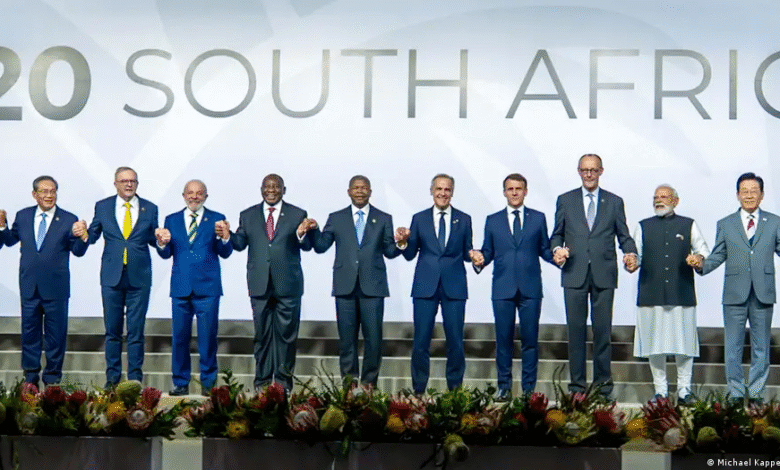
Key points in the 122-point declaration
- Climate change action — Adopted the same day COP30 concluded, the declaration calls for scaling climate finance dramatically — “from billions to trillions” — to confront escalating climate impacts.
- Reforming financial systems — Leaders endorsed the urgent need to reform global financial institutions to help low-income nations manage ballooning debt burdens.
- Taxation of the wealthy — Language on taxing ultra-rich individuals was notably weaker than the previous G20 declaration in Rio, which had pledged more aggressive global taxation of the super-wealthy.
- Global conflicts and peace efforts — The declaration calls for a “just, comprehensive, and lasting peace” in Ukraine, the Sudan, Democratic Republic of Congo and Occupied Palestinian Territory.
US Boycott Overshadows Summit
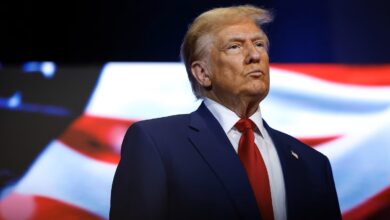
The world’s largest economy refused to send any delegation to the summit after President Donald Trump declined to participate.
This absence — alongside the no-shows of Chinese President Xi Jinping and Russian President Vladimir Putin — cast a long shadow over the meeting.
South African President Cyril Ramaphosa, however, insisted that the G20 must not be weakened by political drama, dw.com reports.
“We should not allow anything to diminish the value, the stature, and the impact of the first African G20 presidency,” he said. Ramaphosa defended the G20’s relevance, stressing that global crises demand cooperation.
“The challenges we face can only be resolved through collaboration and partnership.”
A G20 at a Crossroads
Several leaders expressed concern that the G20 may be losing its ability to function effectively.
French President Emmanuel Macron warned the group might be “coming to the end of a cycle,” noting that major global crises are becoming harder to solve around the table — especially with key members absent.
UK Prime Minister Keir Starmer echoed the sentiment, calling the road ahead “tough” and urging renewed constructive engagement.
China’s Premier Li Qiang, representing Xi, said rising “unilateralism and protectionism” were undermining global solidarity.
Key Points in the 122-Point Declaration
Despite the political strains, leaders agreed on a sweeping declaration addressing urgent global issues:
Climate Change Action — Adopted the same day COP30 concluded, the declaration calls for scaling climate finance dramatically — “from billions to trillions” — to confront escalating climate impacts.
Reforming Financial Systems — Leaders endorsed the urgent need to reform global financial institutions to help low-income nations manage ballooning debt burdens.
Taxation of the Wealthy — Language on taxing ultra-rich individuals was notably weaker than the previous G20 declaration in Rio, which had pledged more aggressive global taxation of the super-wealthy.
Global Conflicts and Peace Efforts — The declaration calls for a “just, comprehensive, and lasting peace” in Ukraine, the Sudan, Democratic Republic of Congo and Occupied Palestinian Territory.
Ukraine appeared only once in the 30-page document, but Western leaders held intense sidebar discussions on a controversial U.S.-backed peace plan that many believe favors Russia.
U.S. Presidency Handover Blocked
Traditionally, South Africa would now hand over the rotating G20 presidency to its successor — the United States. But with no official American delegation present, the handover is effectively suspended.
A junior U.S. embassy representative had been assigned to attend, but South Africa called this unacceptable.
“It has never happened before and it was never going to happen here,” said presidential spokesman Vincent Magwenya.
The White House accused South Africa of undermining G20 principles by refusing the transfer.
A Summit Marked by Discord — Yet Determined to Move Forward
Despite boycotts, political tension, and absent superpowers, G20 leaders moved ahead, insisting the forum remains crucial in addressing global instability, climate pressures, and economic inequality.
Whether the G20 can maintain cohesion amid widening geopolitical fractures — and how it proceeds under an unconfirmed next presidency — remains one of the biggest questions hanging over the global stage.