From media freedom to money-laundering crackdown: Al-Yousef outlines Kuwait’s reform agenda
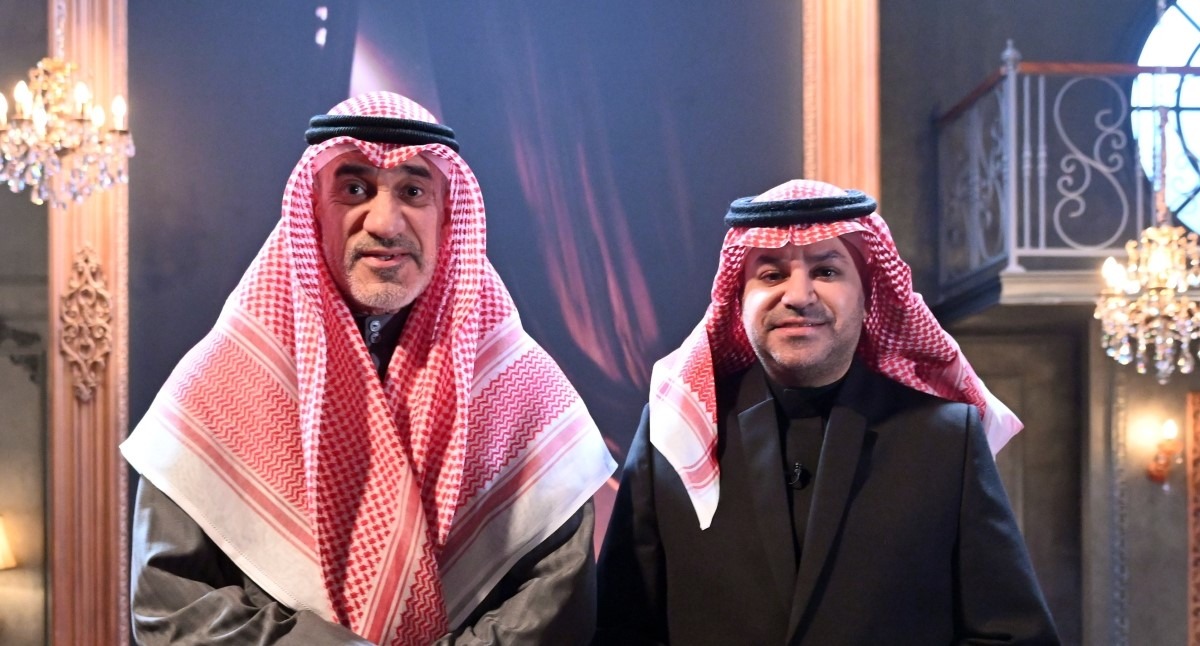
During an interview on the “Theater of Life” program broadcast on Al-Rai TV and the ROD platform, Kuwait’s First Deputy Prime Minister and Minister of Interior Sheikh Fahad Al-Yousef said freedom of expression in Kuwait remains intact but is now more organized and respectful compared to previous years.
Responding to questions about claims that the ceiling of criticism has narrowed, Al-Yousef stressed that freedom still exists, but within responsible limits.
“To be honest, freedom exists in Kuwait today, but freedom is in order,” he said. “In the past, freedom turned into chaos and behavior that did not exist before, and many countries criticized Kuwait. Today there is freedom with respect.”
He noted that no newspapers are being censored, adding that society itself has begun recognizing the need to regulate discourse and avoid insults directed at individuals or countries maintaining relations with Kuwait, reports Al-Rai daily..
Al-Yousef emphasized that criticism does not mean personal attacks or harm diplomatic relations, stressing that Kuwait expects mutual respect from other nations and applies the same principle domestically.
He attributed past social tensions partly to cases of citizenship forgery, saying irregular naturalizations contributed to behavior that did not reflect Kuwaiti values. According to him, recent reforms have helped restore order and reinforce social responsibility.
Addressing concerns about opposition movements outside Kuwait, Al-Yousef said overseas opposition figures number only a handful of individuals, describing them as people facing personal or legal issues inside the country.
He added that opposition exists in every nation but should not overshadow the broader population living and working in Kuwait.
The minister revealed that authorities are currently pursuing two major corruption cases receiving high-level attention, alongside an intensified crackdown on financial crimes.
He said Kuwait is uncovering between three and five money-laundering cases every week, involving large financial sums, with numerous suspects already detained or sentenced.
“No one is above the law in Kuwait,” Al-Yousef said, noting that investigations include both current and former officials, while fugitives abroad are being pursued through international arrest warrants.
He added that some individuals left Kuwait after reforms began, but authorities are continuing legal action and coordinating internationally to bring suspects to justice.
Al-Yousef also addressed prison policies, clarifying that he does not have authority to reduce sentences but has advocated reviewing long-term imprisonment cases after observing rehabilitation systems in Gulf and Arab countries.
He described a visit to Saudi Arabia’s correctional facilities as a model of humane treatment, which encouraged discussions on improving rehabilitation conditions in Kuwait and offering inmates opportunities for reform.
Commenting on the new traffic law, Al-Yousef rejected claims it was introduced as a revenue-raising measure. Despite stricter penalties and expanded surveillance, traffic fine revenues actually declined — a sign, he said, that drivers have become more compliant with regulations.
“The drop in violations proves people are respecting the law,” he said, adding that enforcement now applies equally to everyone.