The sweeping ambition of Gulf states to shape the global economic landscape is facing an unprecedented challenge.
Countries such as Saudi Arabia, Qatar, and the United Arab Emirates, whose sovereign wealth funds collectively manage nearly $5 trillion, may be forced to redirect their financial firepower closer to home as the Iran war reshapes regional priorities.
For years, Gulf capitals have been emblematic of global investment might — funding projects from Hollywood takeovers to African infrastructure, bolstering food security, critical minerals, and the energy transition.
Paramount Pictures, Warner Brothers, and Electronic Arts — whose $55 billion acquisition by Saudi investors is poised to become one of the largest in gaming history — illustrate the extraordinary reach of Gulf capital.
Majed al-Ansari, spokesperson for Qatar’s Foreign Ministry, warned that a pivot away from international engagement in favor of bolstering defense and domestic stability would reverberate worldwide. “If the Gulf focuses on defense and retracts its investments,” he said, “the impact will be felt in every household on the planet.”
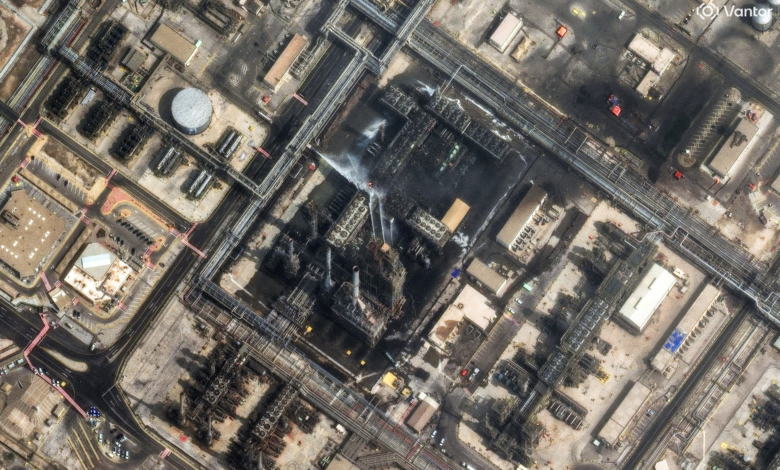
Yet, the Iran war, triggered by US-Israel strikes in late February, has introduced profound disruption. Production and export of oil and gas — the backbone of the Gulf economies — have been curtailed, while Iranian attacks on regional infrastructure and closure of the Strait of Hormuz threaten key shipping routes, dw.com reports.
Oxford Economics projects Gulf national income growth this year at a modest 2.6%, 1.8% below earlier forecasts, with countries like Bahrain, Kuwait, and Qatar particularly vulnerable.
The fallout extends beyond hydrocarbons. Tourism, real estate, and digital sectors are contracting, local stock markets are tumbling, and videos of explosions in Dubai, Doha, and Manama have pierced the Gulf’s cultivated image of stability. Ramadan airspace closures alone could slash visitor spending by up to $56 billion.
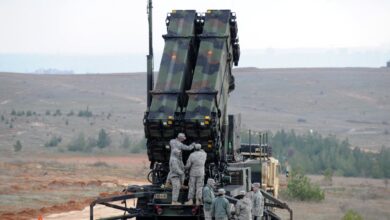
Observers predict a reassessment of spending priorities. Investments may increasingly focus on resilience — strategic food reserves, alternative export pipelines, defense, and reconstruction — while sovereign wealth funds may be called upon to sustain domestic economies, from keeping hotels operational to supporting local businesses.
Even massive pledges to the United States following President Trump’s Middle East visit — including $1.4 trillion from the UAE, $1.2 trillion from Qatar, and $600 billion from Saudi Arabia — may face scrutiny.
Analysts caution that some promises were largely symbolic, while others could align with defense spending that ultimately supports international investments.
In the near term, reduced growth and heightened perception of risk are unavoidable. The long-term trajectory of Gulf investment, however, hinges on the war’s duration and outcome.
As Tim Callen of the Arab Gulf States Institute notes, “Investment across the board will be affected… the question is by how much and over what period. If the risk of future conflict remains, the Gulf’s global economic footprint may be permanently reshaped.”