Finerenone shown to protect kidneys from damage
Breakthrough drug offers new hope for type 1 diabetics
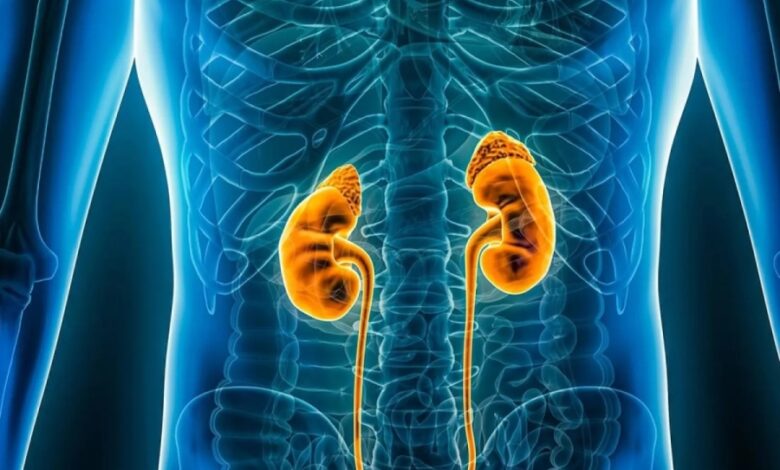
A major international study led by researchers from the University Medical Center Groningen in the Netherlands has revealed promising results for a new drug that protects the kidneys of patients with type 1 diabetes suffering from chronic kidney disease.
The drug, known as Finerenone, marks the first effective and safe treatment breakthrough in more than 30 years for this high-risk group. The findings were presented on Thursday during the annual conference of the American Kidney Association held in Houston, Texas.
Type 1 diabetes is an autoimmune disorder in which the immune system attacks the insulin-producing cells of the pancreas, resulting in persistently high blood sugar levels. Chronic kidney disease is among the most serious complications affecting 30–40% of these patients.
Over time, it damages the kidney’s small blood vessels, leading to protein leakage into the urine, declining kidney function, and, in severe cases, kidney failure requiring dialysis or transplantation. The disease also raises the risk of cardiovascular problems and premature death, making kidney protection a top priority in diabetes management.
The study included 242 patients across 82 hospitals in nine countries spanning Asia, Europe, and North America. Results showed that Finerenone was generally safe and well-tolerated, with only a slight, manageable increase in blood potassium levels—a known side effect of this class of drugs.
Over a six-month follow-up period, the drug reduced the amount of protein excreted in urine by up to 25%, a key indicator of improved kidney function and reduced tissue damage.
Researchers explained that Finerenone works by blocking the receptors of aldosterone, a hormone produced by the adrenal glands that regulates salt, water balance, and blood pressure. This inhibition helps reduce inflammation and fibrosis in kidney tissue, slowing the progression of kidney damage.
The study team emphasized that lowering protein loss in the urine is one of the earliest and most reliable signs of kidney protection, while other indicators—such as the need for dialysis or transplantation—typically emerge only at advanced stages after years of monitoring.
Scientists hailed the results as the first major advancement in kidney disease treatment for type 1 diabetics in three decades, following years of reliance solely on blood pressure–lowering medications.
They concluded that these findings bring new hope to patients with type 1 diabetes and pave the way for further research into innovative drugs that could safeguard both the kidneys and the heart in individuals at high risk of serious complications.