‘Faces of Silent Violence: Breaking the invisible chains threatening women and society’
. . . dialogue forum highlights the invisible yet devastating impact of silent violence on women, families, and society
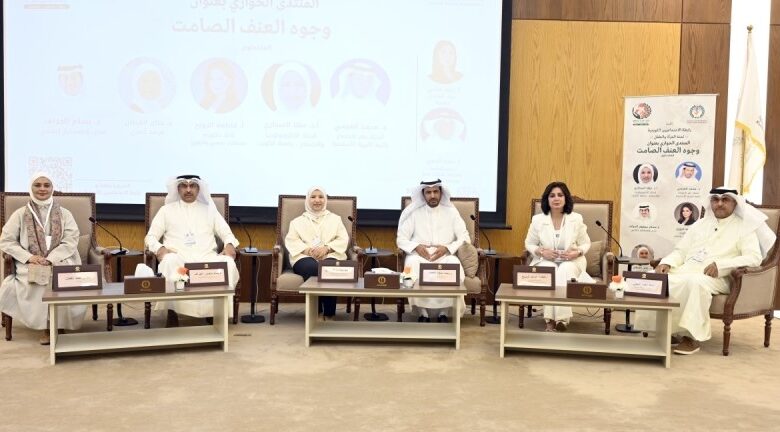
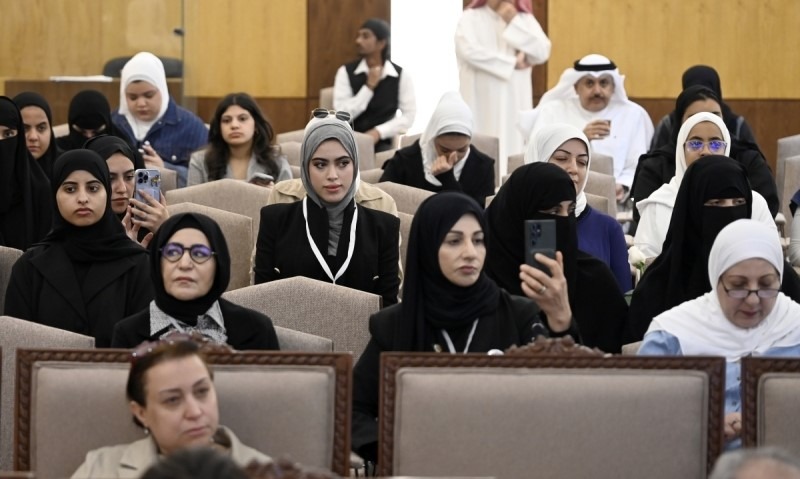
On the occasion of the International Day for the Elimination of Violence against Women, the Kuwaiti Sociologists Association convened the ‘Faces of Silent Violence’ dialogue forum, highlighting the invisible yet devastating impact of silent violence on women, families, and society.
Speakers emphasized that violence is not merely an individual act but a deeply rooted social phenomenon influenced by family, education, economic, cultural, and political factors.
Dr. Abdullah Al-Radwan, Chairman of the Association, stressed the need for community programs, awareness campaigns, and policies that address all forms of violence—including physical, verbal, psychological, social, and silent violence.
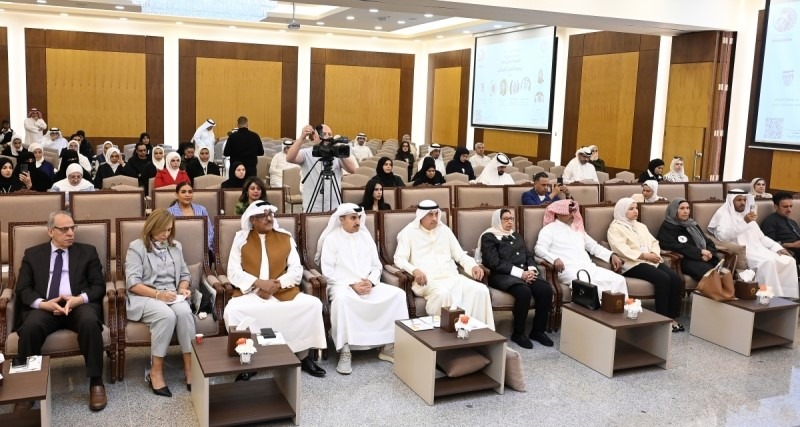
Fatima Al-Ruwaieh, head of the Women and Children Committee, described silent violence as particularly cruel because it operates unseen, eroding women’s well-being while remaining hidden from public view. “Every person carries an inner world,” she said, “and silent violence strikes deep, leaving invisible scars.”
She urged actionable solutions to build a society where wisdom prevails over anger, and safety and stability are guaranteed for all.
Dr. Muhammad Al-Ajmi, sociology professor at Kuwait University, highlighted socialization pressures that encourage women to remain silent — fear of stigma, lack of safe spaces, and societal expectations of cohesion—all of which harm family cohesion and personal development.
He warned that silent violence affects everyone, men and women alike, and is often unrecognized yet deeply pervasive.
Dr. Maha Al-Sajary, professor of anthropology and sociology, stressed the need to redefine social roles in education and family structures, so that women do not bear the weight of the household alone.
Media consultant Dr. Bassam Al-Jazaf added that decades of media portrayals have reinforced the idea that silence is virtuous for women, creating generational patterns of repression.
Family counselor Dr. Hanan Al-Qattan noted that while silence can sometimes be wise, oppressive silence imposed by social or patriarchal pressures constitutes a form of violence.
Al-Ruwaieh explained that suppressed emotions manifest as internalized stress and burnout, turning women into silent victims of psychological and emotional strain.
The forum concluded with a call for community engagement, education, and media responsibility to break the cycle of silent violence and empower women to live freely, safely, and fully.