Experts warn ultra-processed foods pose serious threat to public health
Existing evidence is compelling; a systematic review of 104 long-term studies, 92 found elevated risks of at least one chronic disease linked to diets high in ultra-processed foods.
A new series of research papers published in The Lancet by 43 international health experts warns that ultra-processed foods have become a major global public health threat requiring urgent intervention.
Researchers — including Brazilian scientist Carlos Monteiro, who first introduced the term “ultra-processed foods” 15 years ago — say these products are increasingly dominating diets worldwide and are strongly linked to declining nutrition quality and a wide range of diseases, from obesity to cancer.
“It’s about the evidence we have today regarding ultra-processed foods and human health,” Monteiro said during an online media briefing. “What we now know fully justifies global public action.”
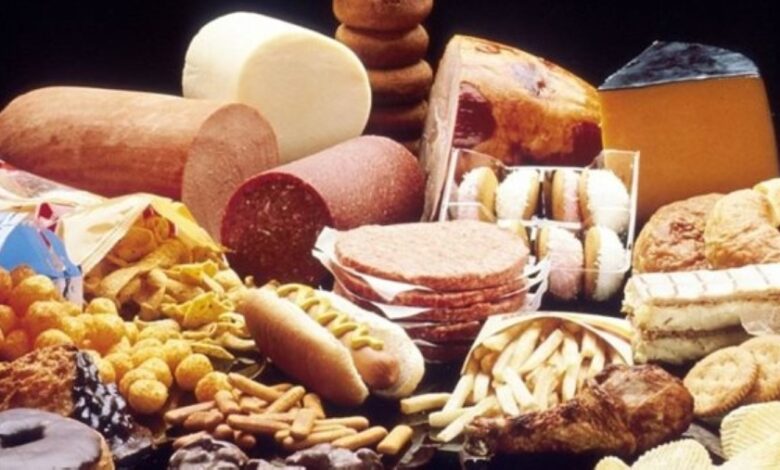
Ultra-processed foods are industrially formulated products made using processing technologies, additives, and artificial ingredients, often containing minimal whole food. Common examples include sugary drinks, packaged snacks, and instant noodles.
Although the term has gained widespread use, some scientists and industry figures argue that the definition remains too broad and has become politically contentious. The authors acknowledge the criticism, noting that more research is needed to fully understand how and why these foods contribute to health problems and to differentiate between products within the category.
However, they stress that the existing evidence is already compelling. In a systematic review of 104 long-term studies conducted for the series, 92 studies found elevated risks of at least one chronic disease linked to diets high in ultra-processed foods.
The findings show significant connections to 12 health conditions, including type 2 diabetes, obesity, cardiovascular issues, and depression.
The researchers argue that the signals are strong enough for governments worldwide to adopt policies protecting public health from the growing influence of ultra-processed foods.